

 Chaofah City
 Chaofah City





Primary Programme (Ages: 5-11)
Bright futures, built together
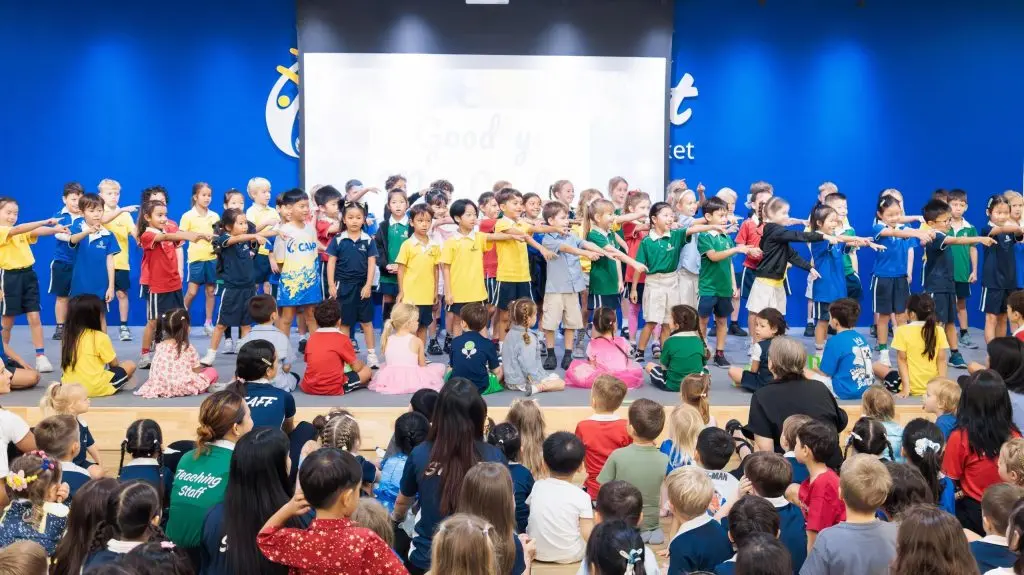
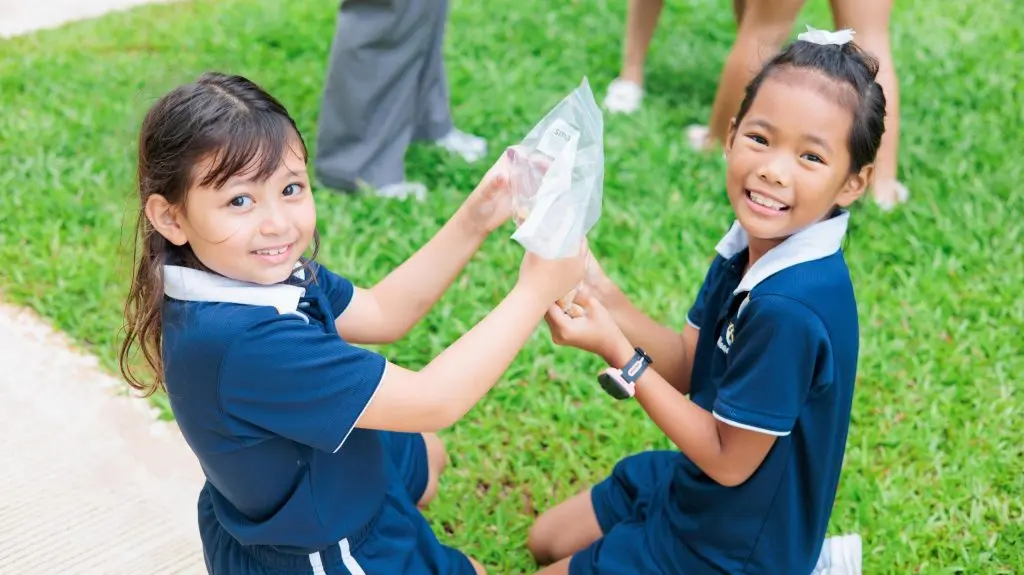
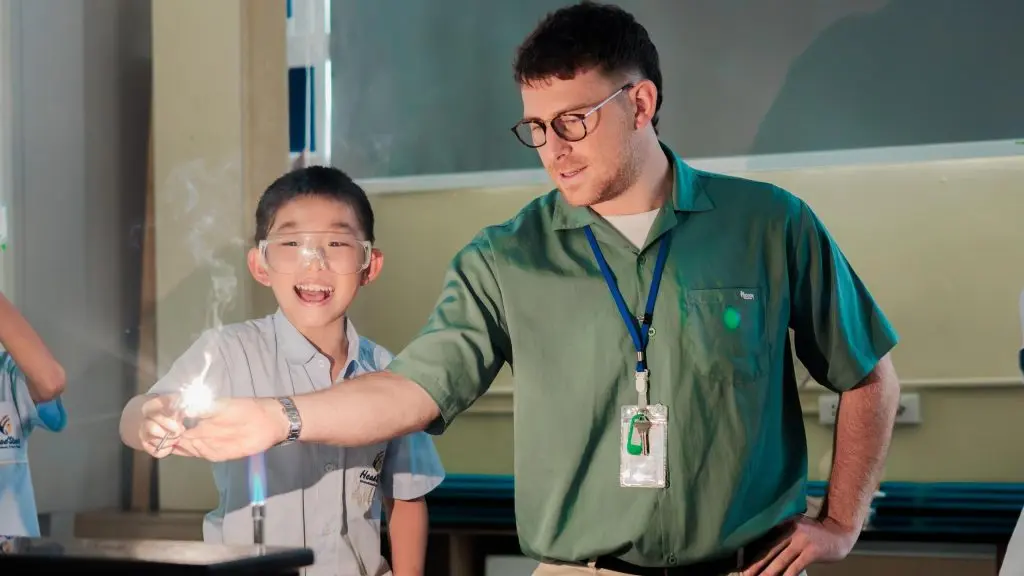
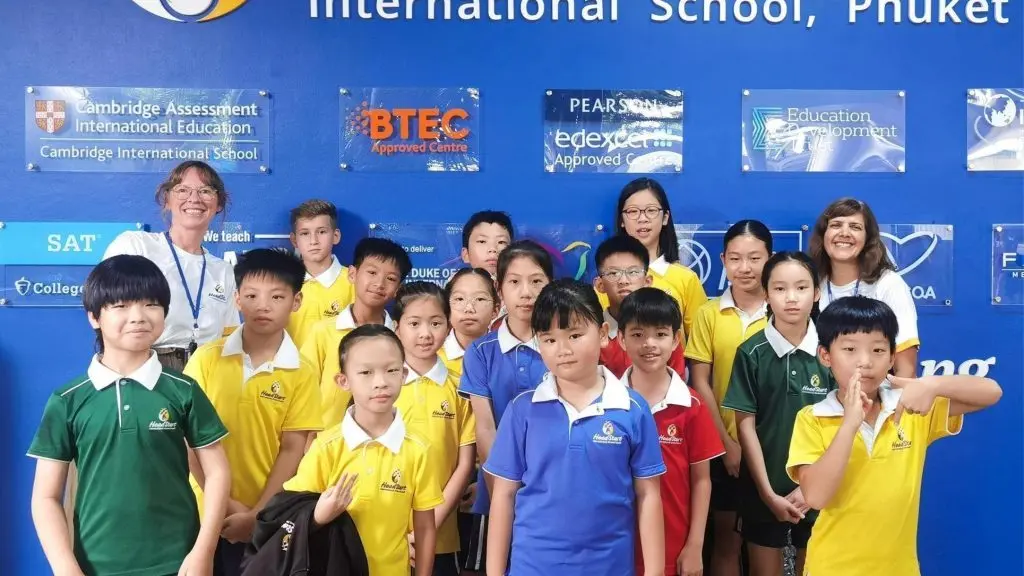
At HeadStart Primary, your child will grow in a vibrant, caring community where lasting friendships and mutual respect form the foundation of everyday school life. Rooted in the English National Curriculum, our balanced approach combines rigorous academics with rich sporting and creative opportunities, fostering resilience, self-belief, and a genuine love of learning for children aged 5 to 11.
Inspiring Personal Development
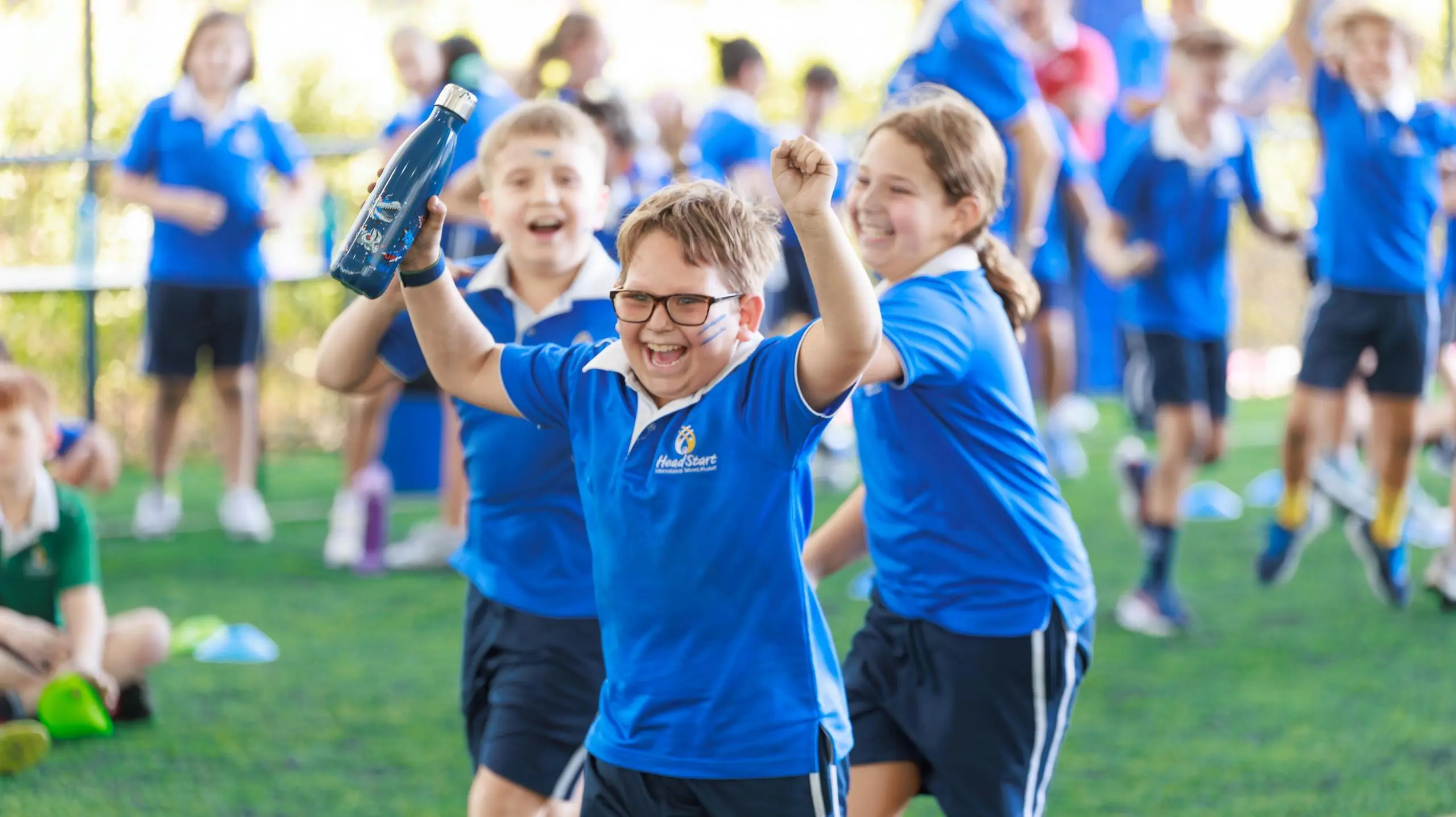
At HeadStart, we bring education to life through a balanced blend of academic discovery, physical activity, and hands-on creative expression. Through an extensive programme of sports, expressive arts, and enriching extracurricular activities, we encourage your child to explore new horizons and embrace a lifelong love of learning.

Exceptional Academic Standards
Rooted firmly in the English National Curriculum, we provide an ambitious academic framework designed to challenge and engage young minds. Through dynamic lessons in core and specialist subjects, we ensure your child masters essential skills and is exceptionally well-prepared for a seamless transition into Secondary school.
Growing Stronger Together
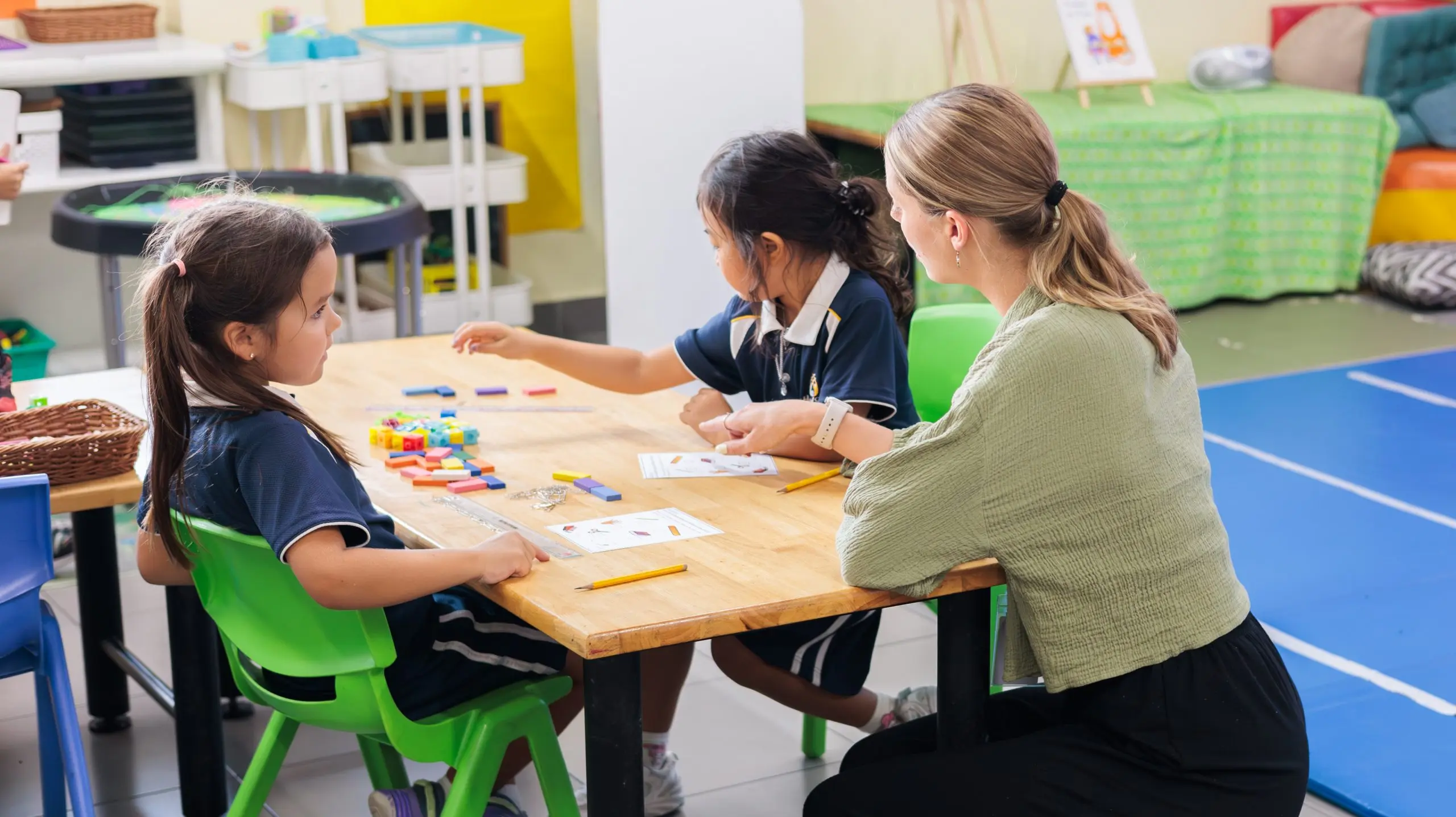
At HeadStart, we believe that student well-being is a shared journey. By working in close partnership with parents and families, we create a warm, supportive environment where your child is nurtured both at home and at school. Built on mutual trust and open communication, this powerful alliance ensures your child feels safe, valued, and empowered to build the confidence they need to aim high and achieve exceptional success every single day.
A Message from the Primary Principal
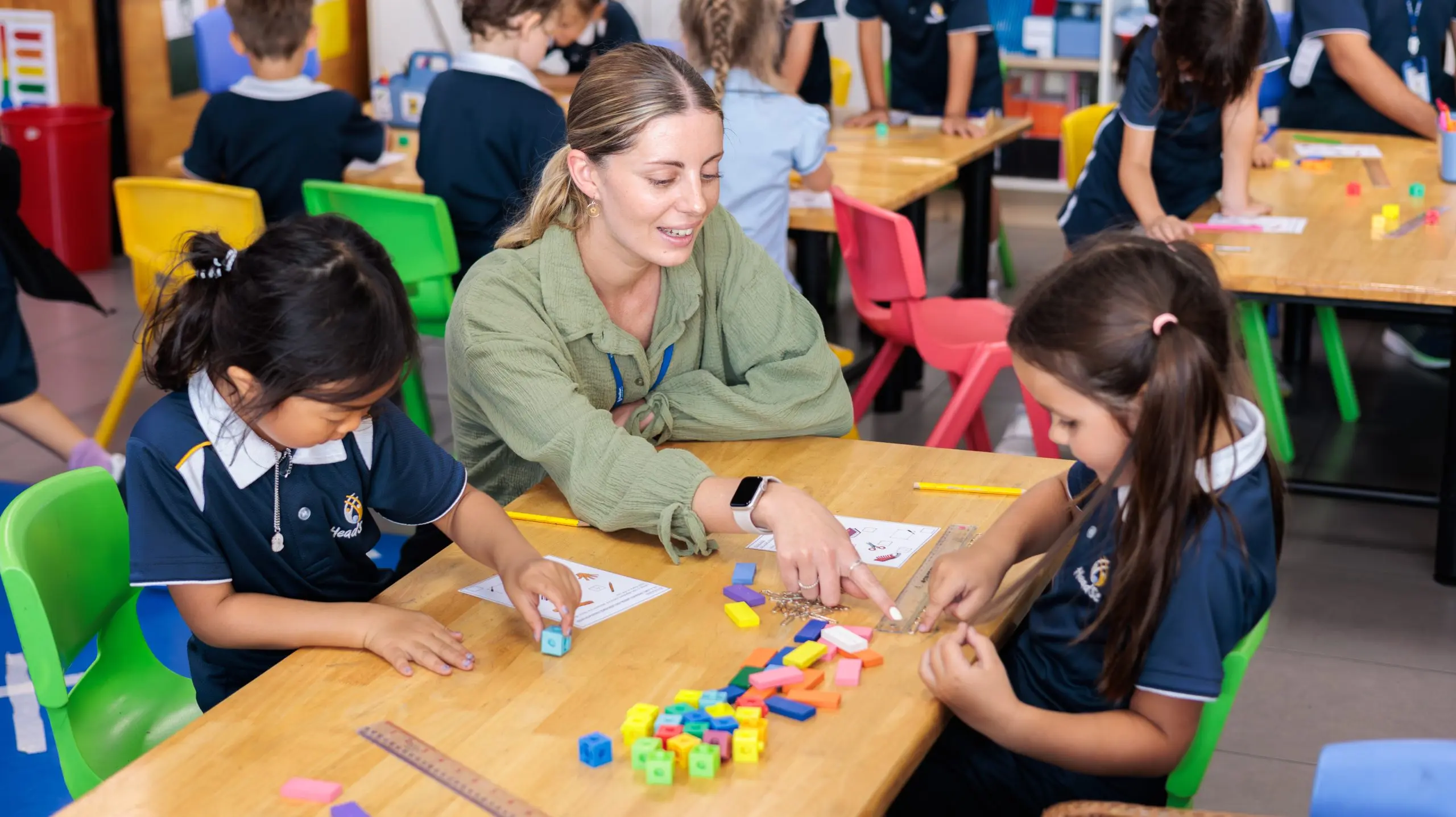
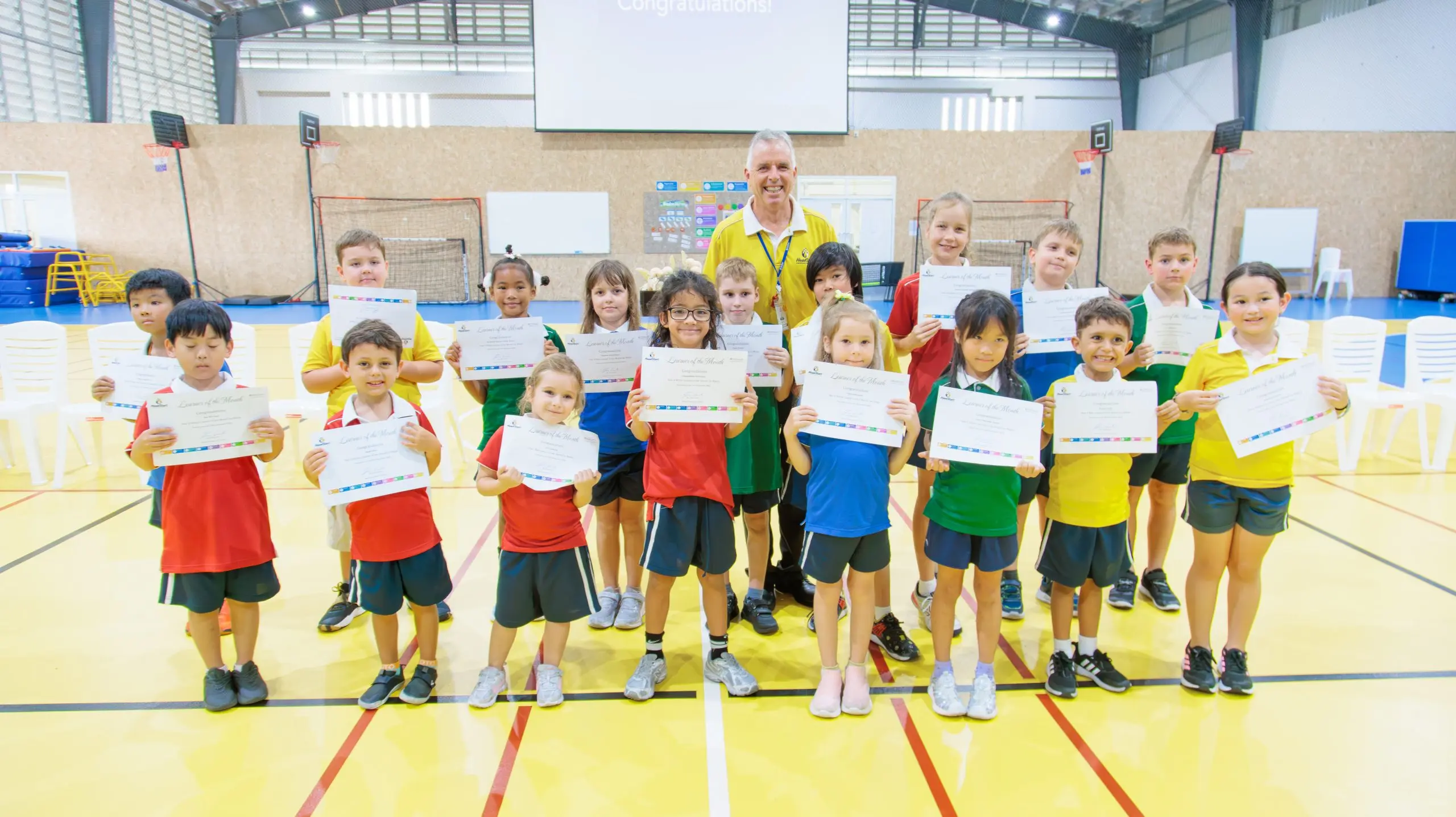
At HeadStart, we believe in a well-grounded, ambitious education. Our goal is to educate children in a warm and caring environment where the highest possible standards are set, empowering every boy and girl to achieve their absolute best.
We encourage our students to look beyond what they feel is possible. By fostering an atmosphere of deep mutual respect, active learning, and healthy competition, we help every child build a genuine sense of self-belief. Ultimately, our vision is to develop active, compassionate individuals who understand the world around them and the unique talents within them.
Everything we do, in our lessons, on the playing fields, and within our community, is underpinned by three guiding principles: developing self-reliance, cultivating positive thinking, and always leaving people and places in a better state than when we found them. These principles form the true foundation of our vibrant school, shaping not just how our students learn, but who they become.
Sam Khan
Sam Khan
Foundation & Primary Principal
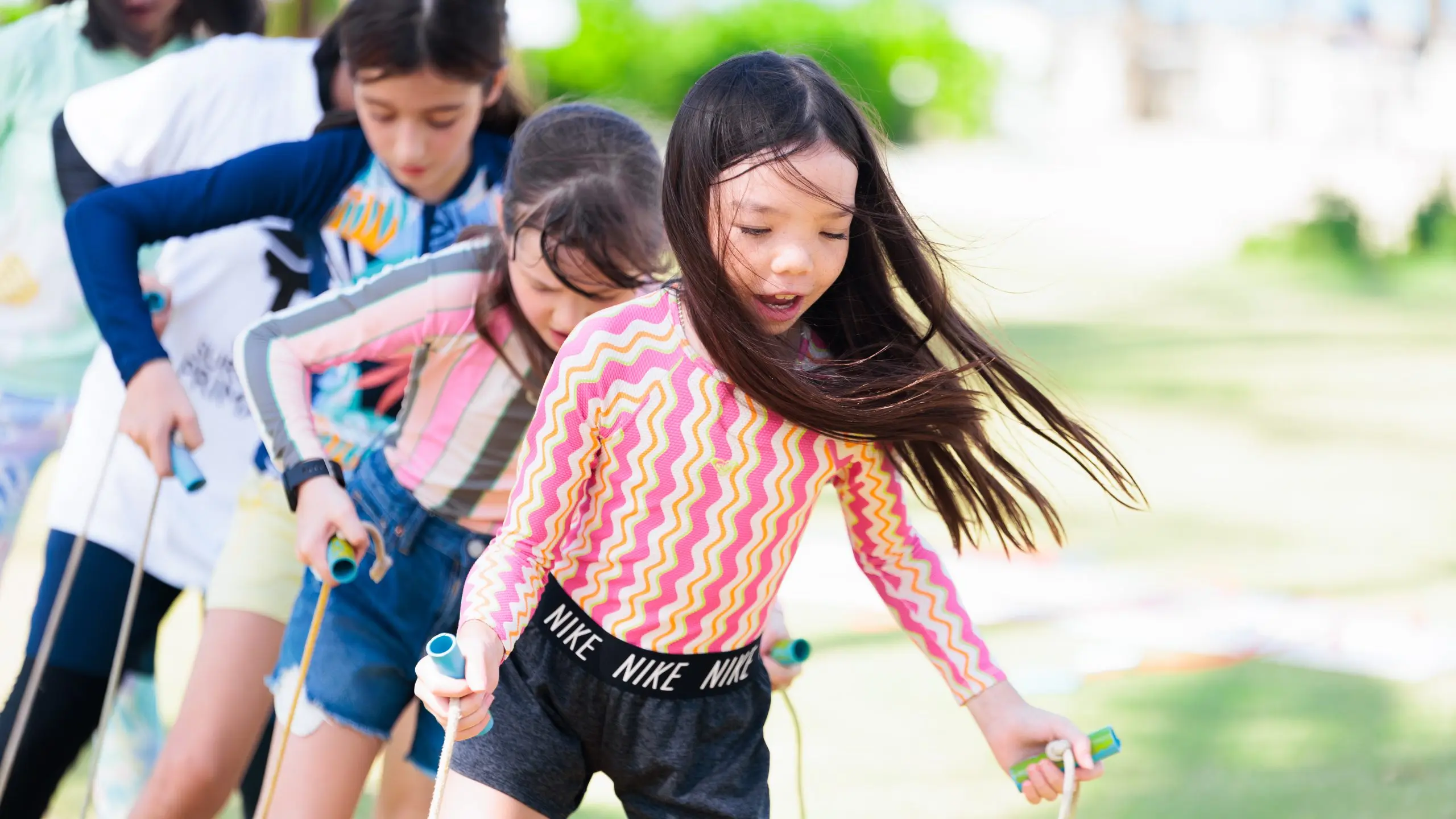
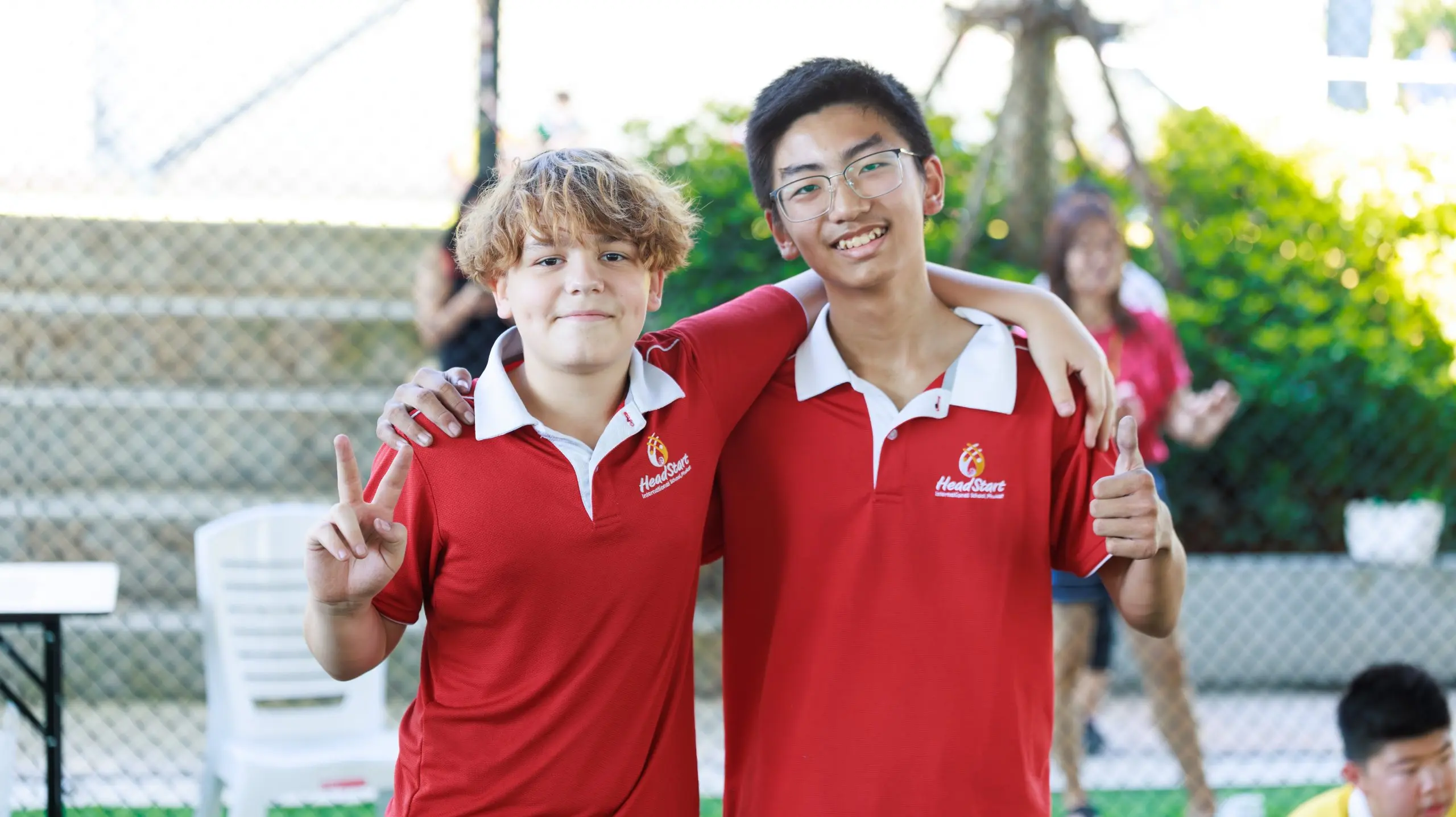
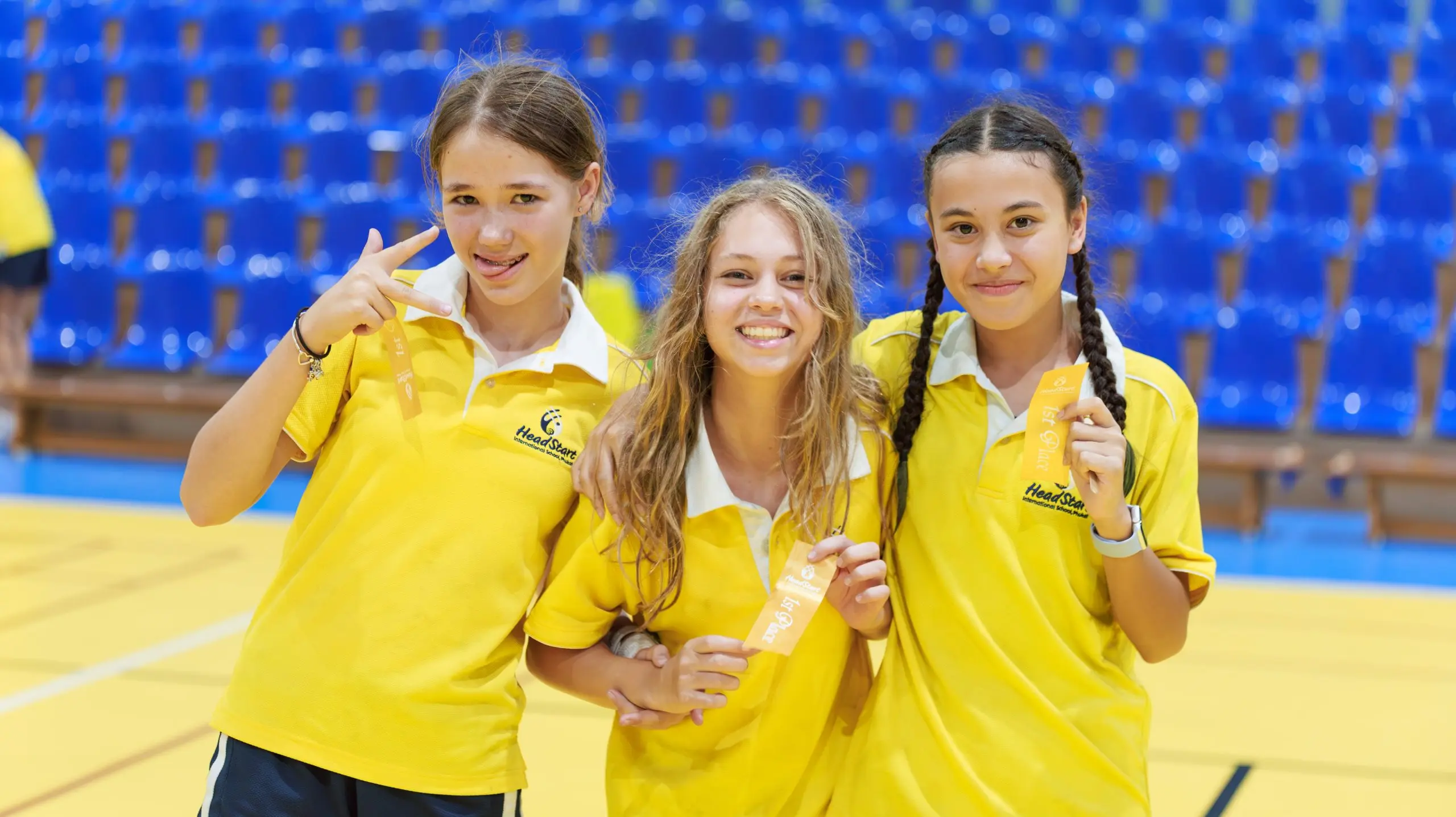
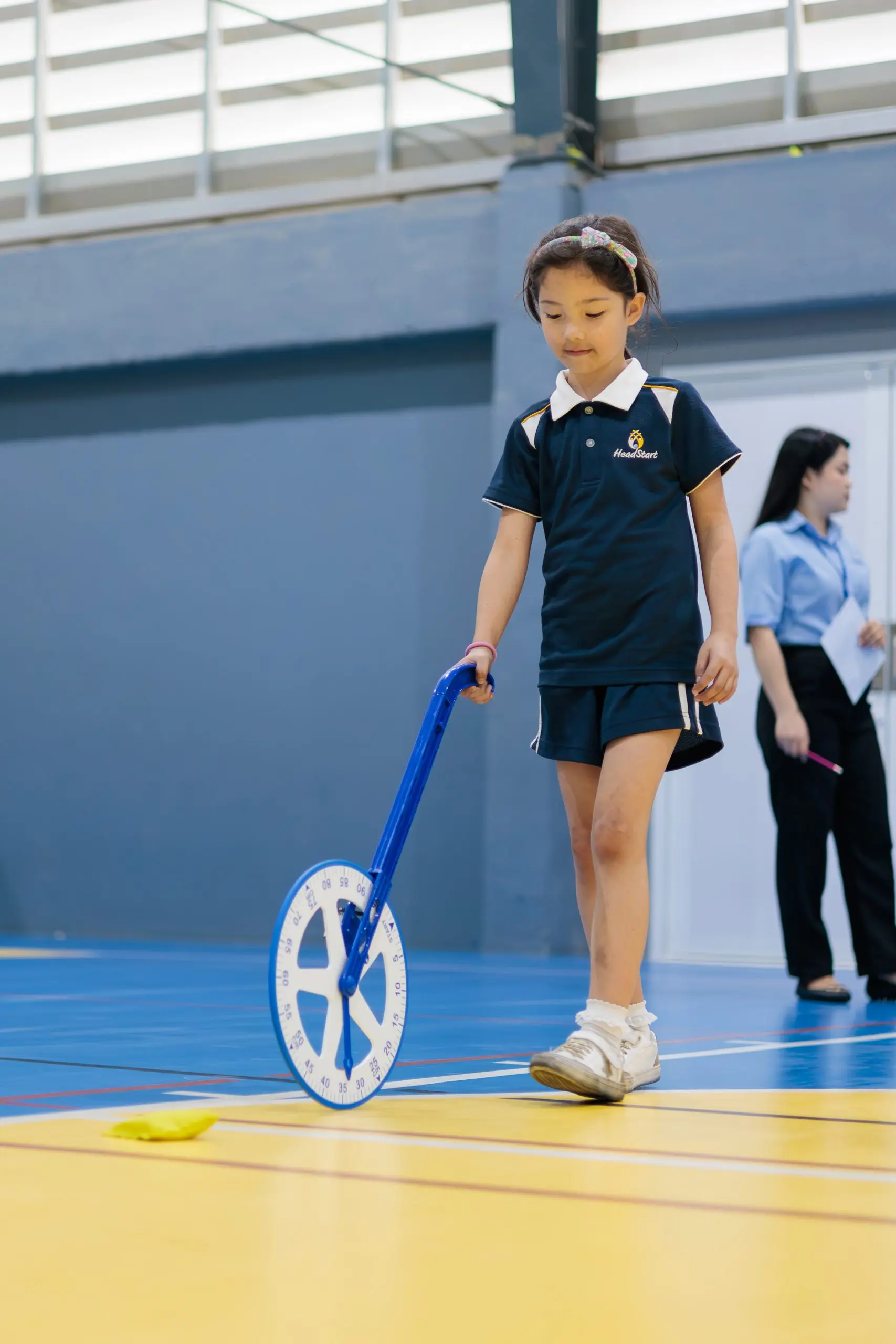
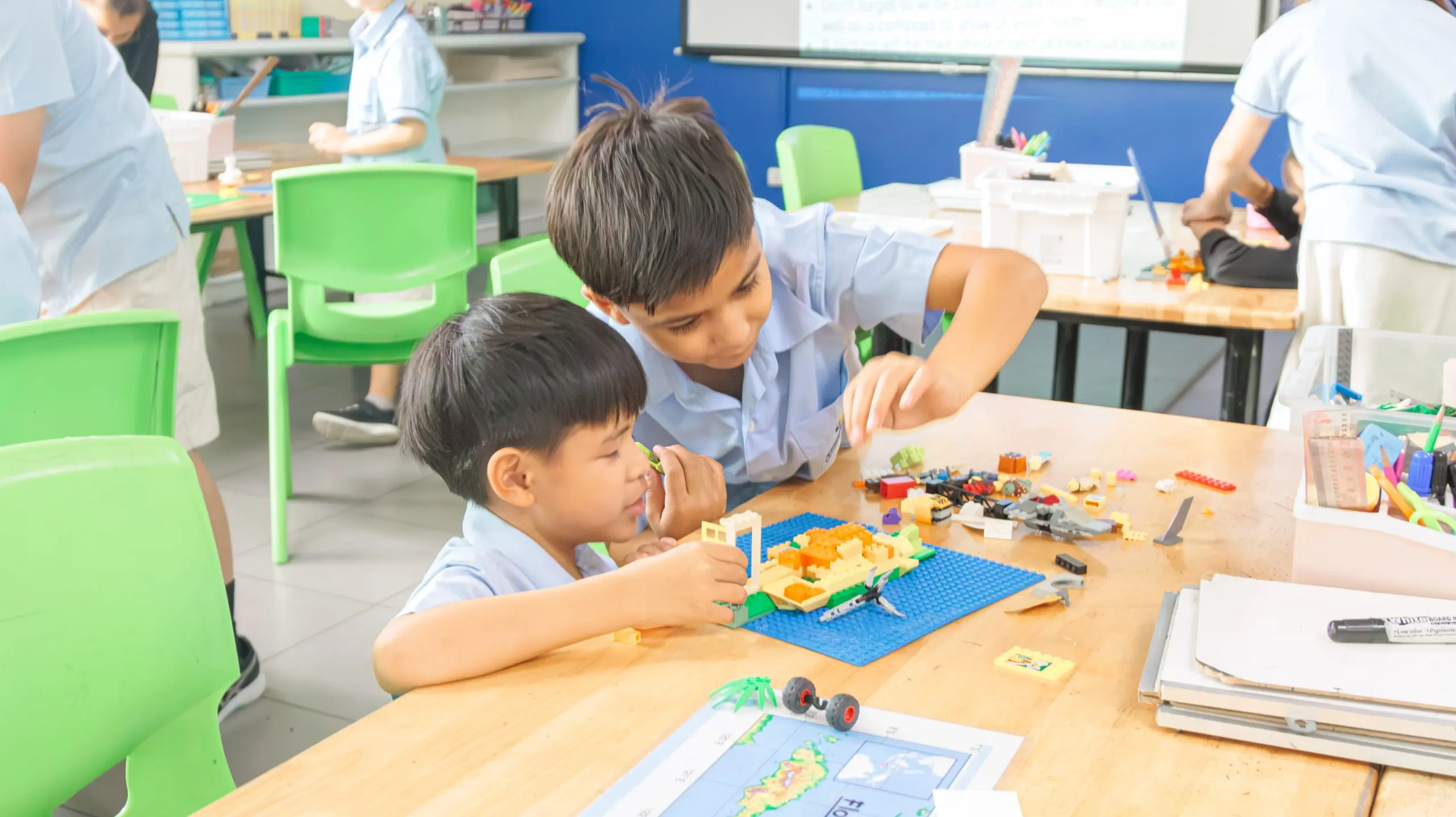
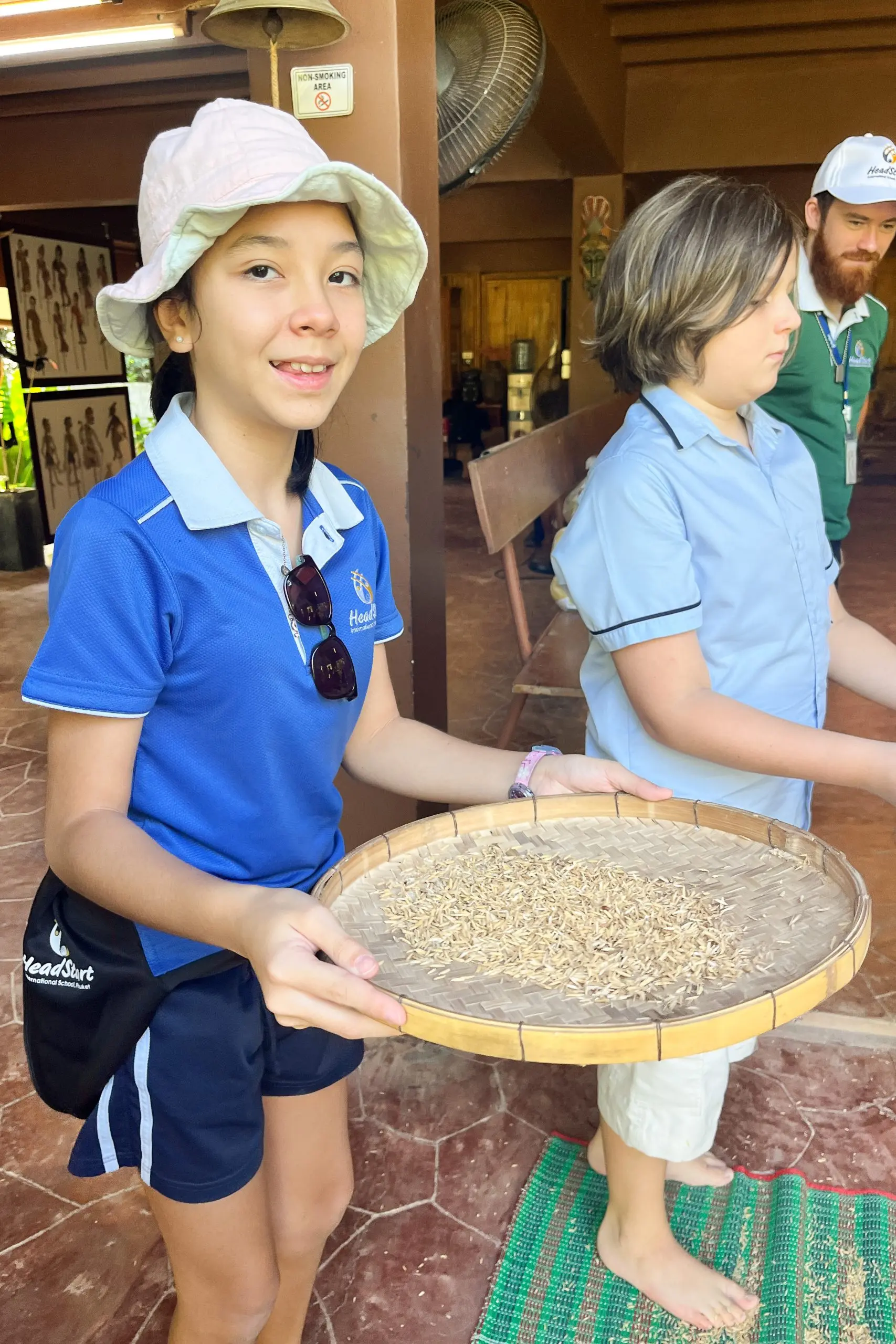

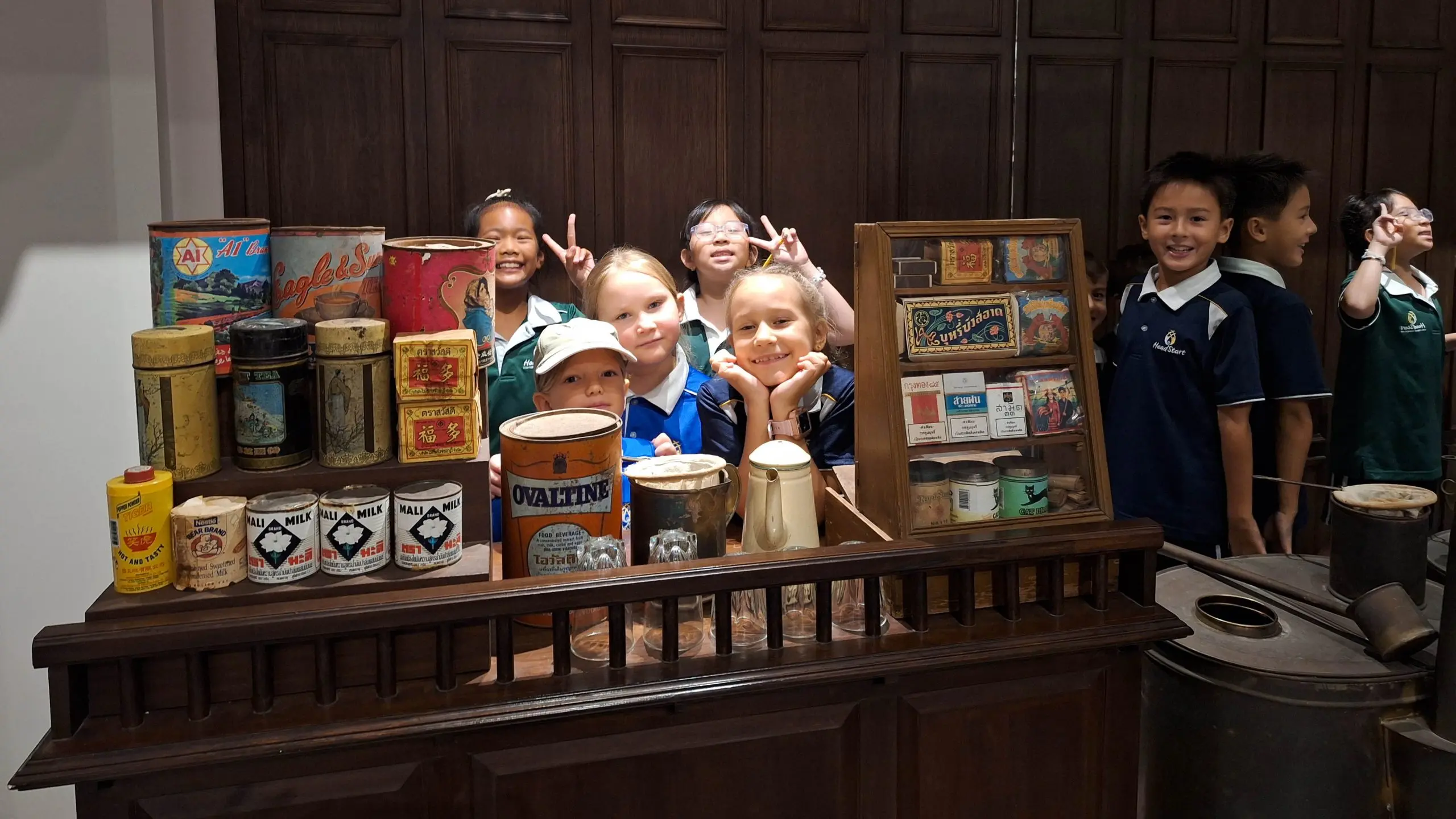

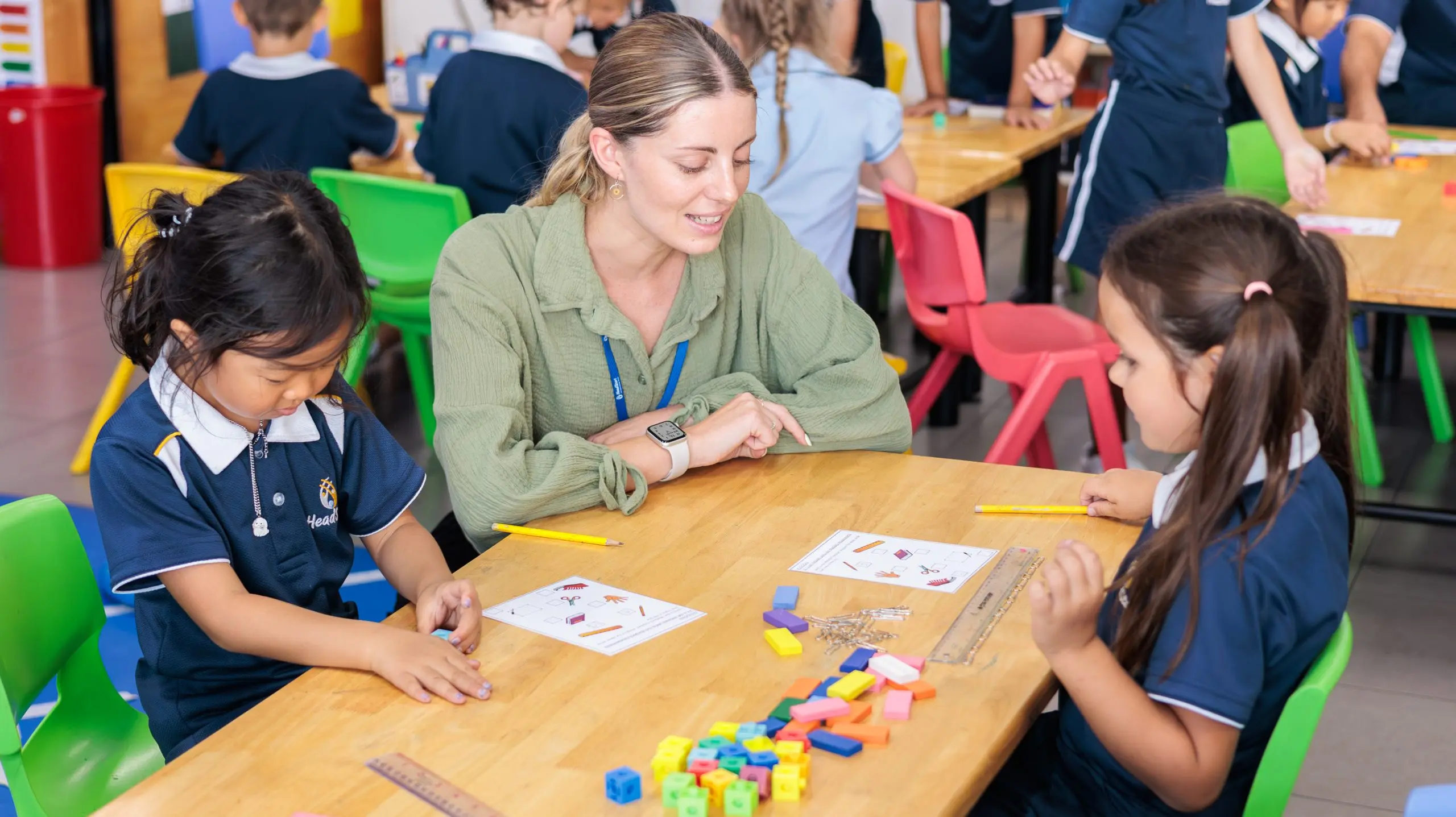
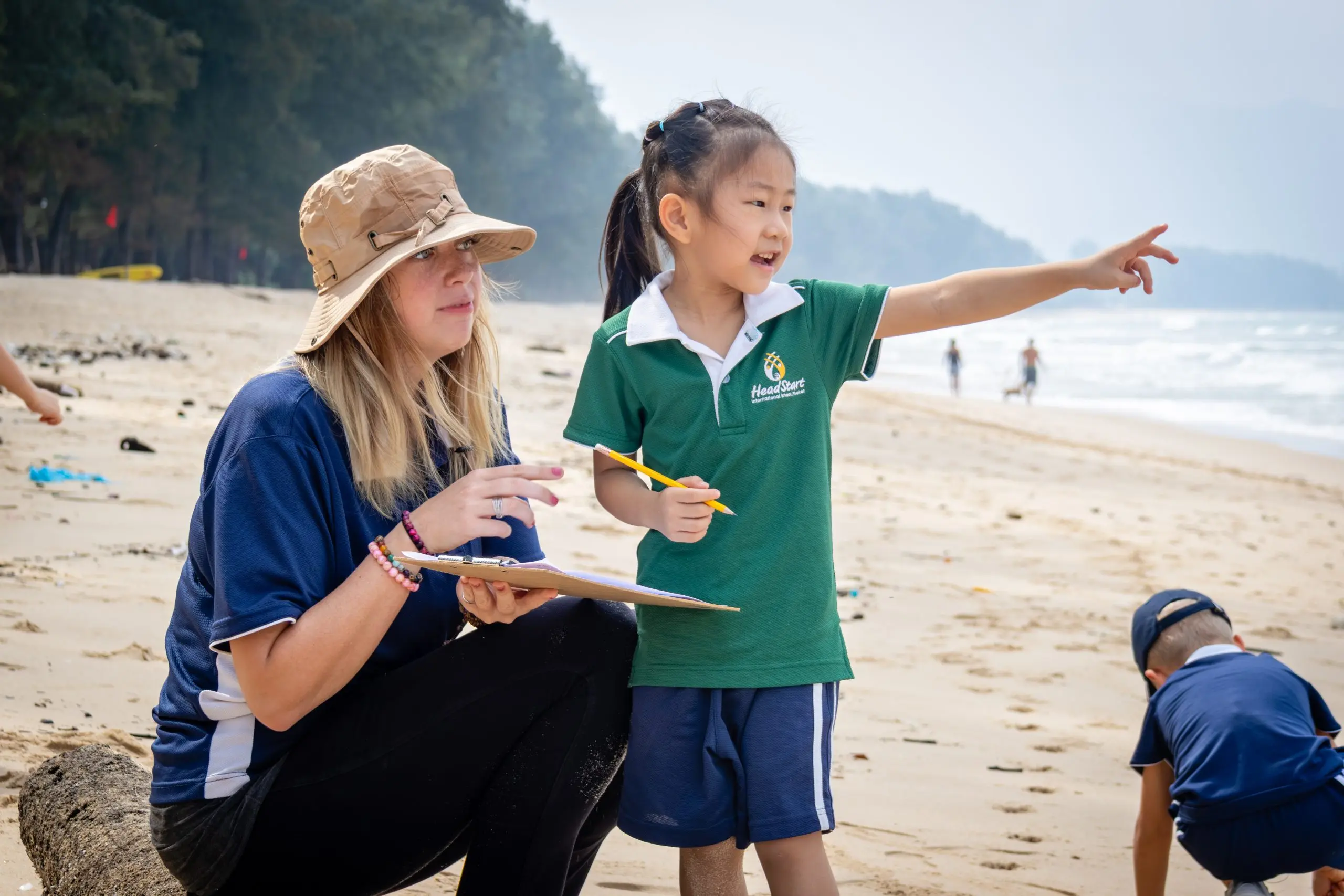

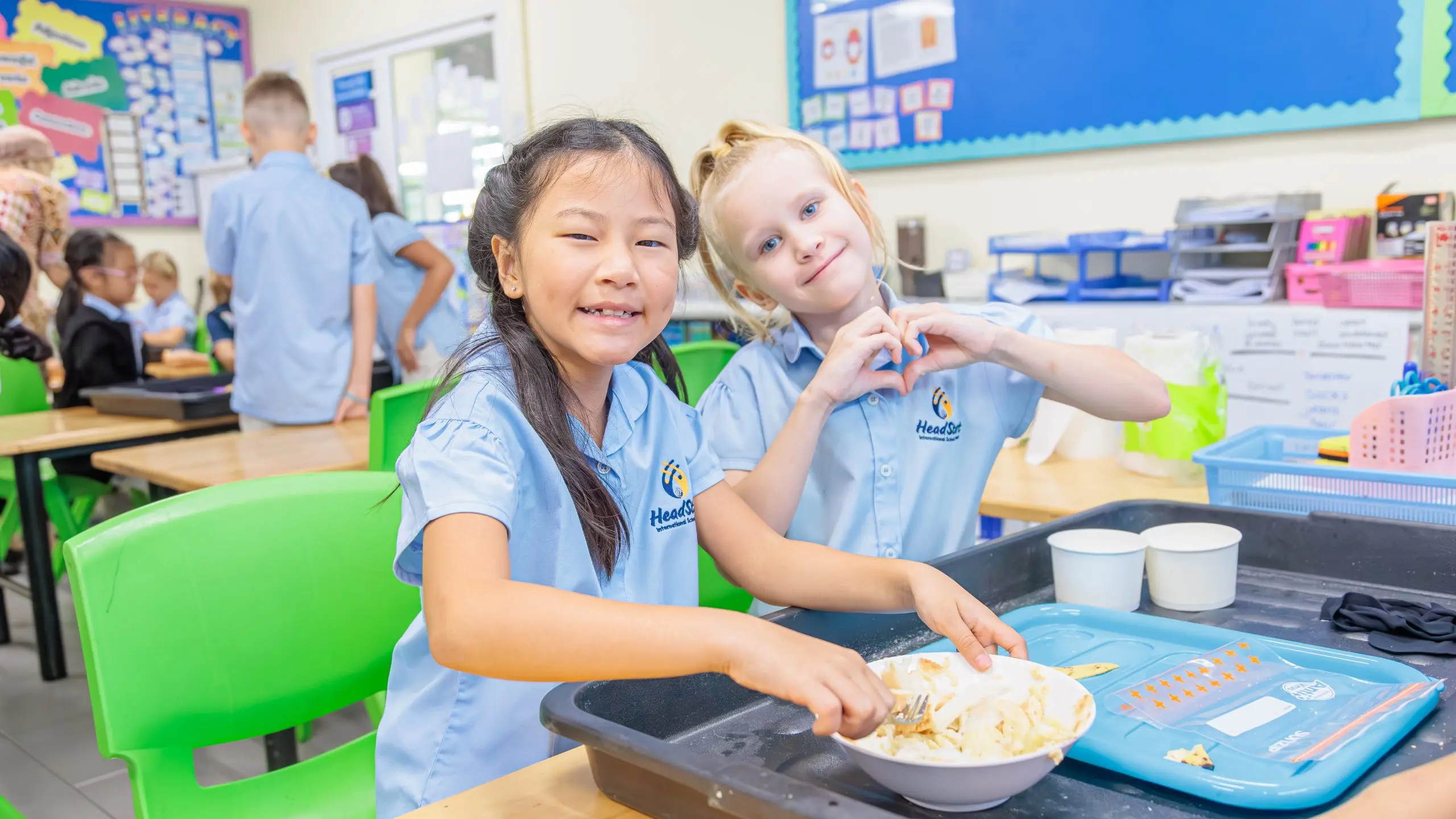
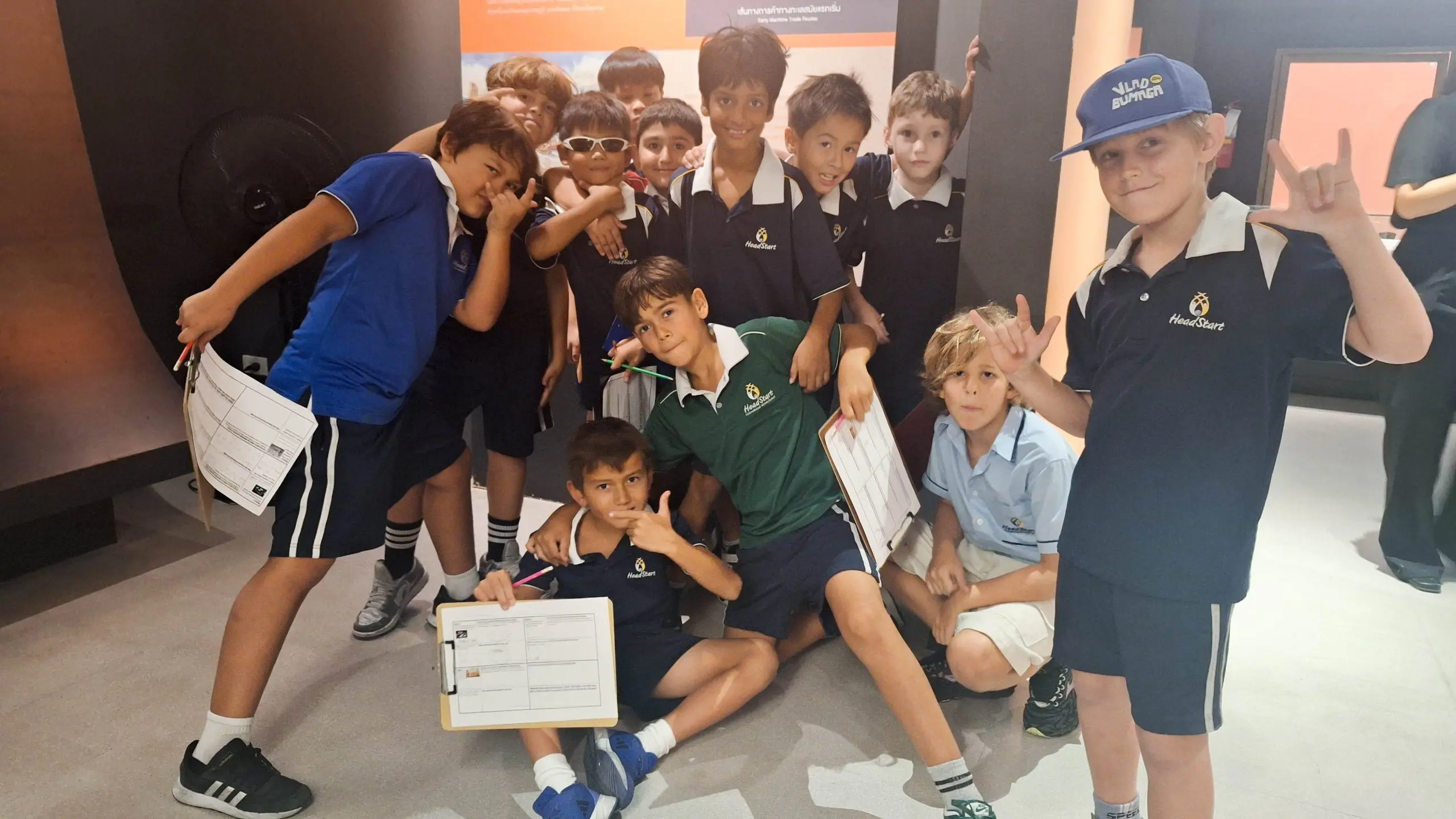
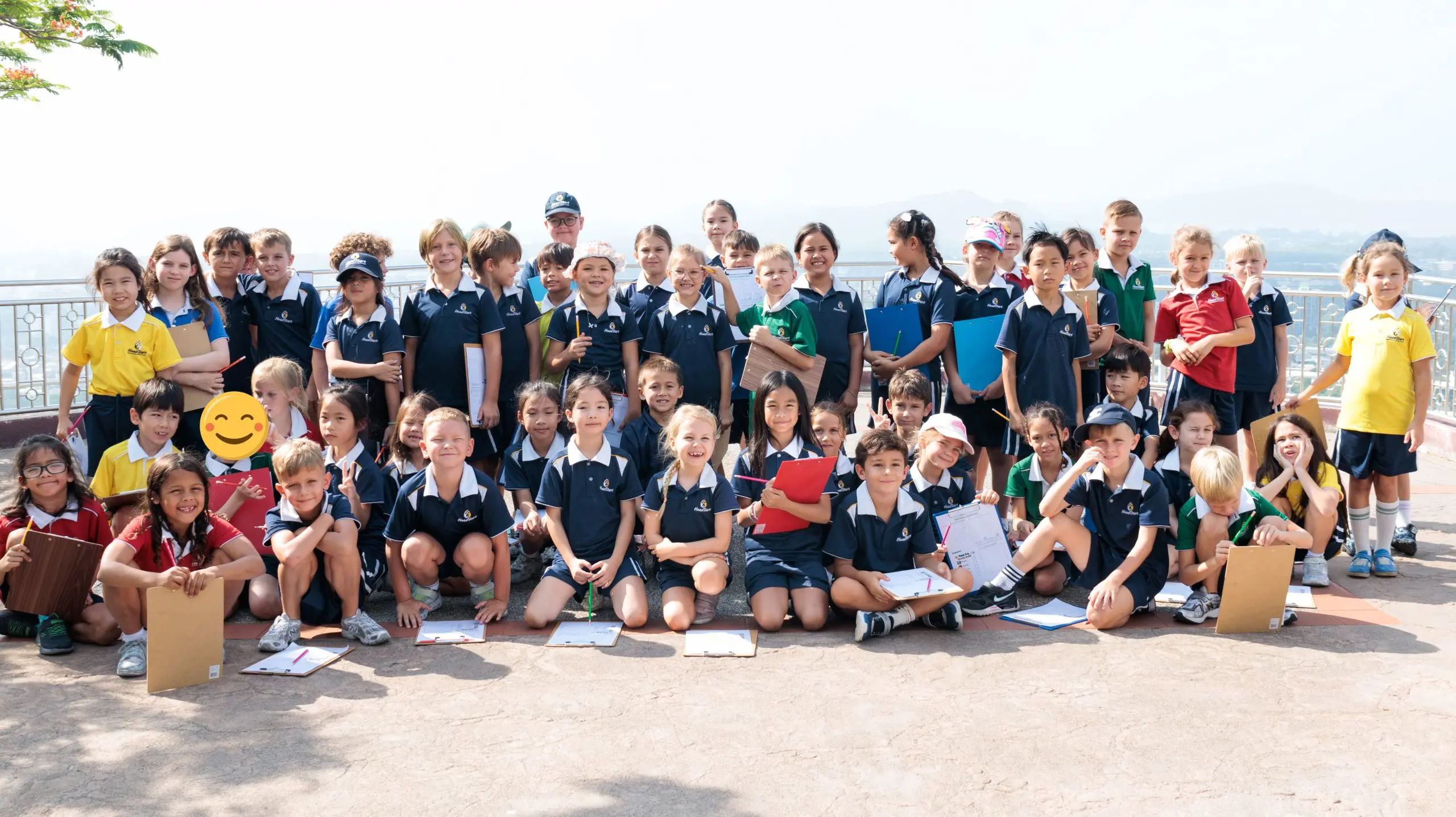
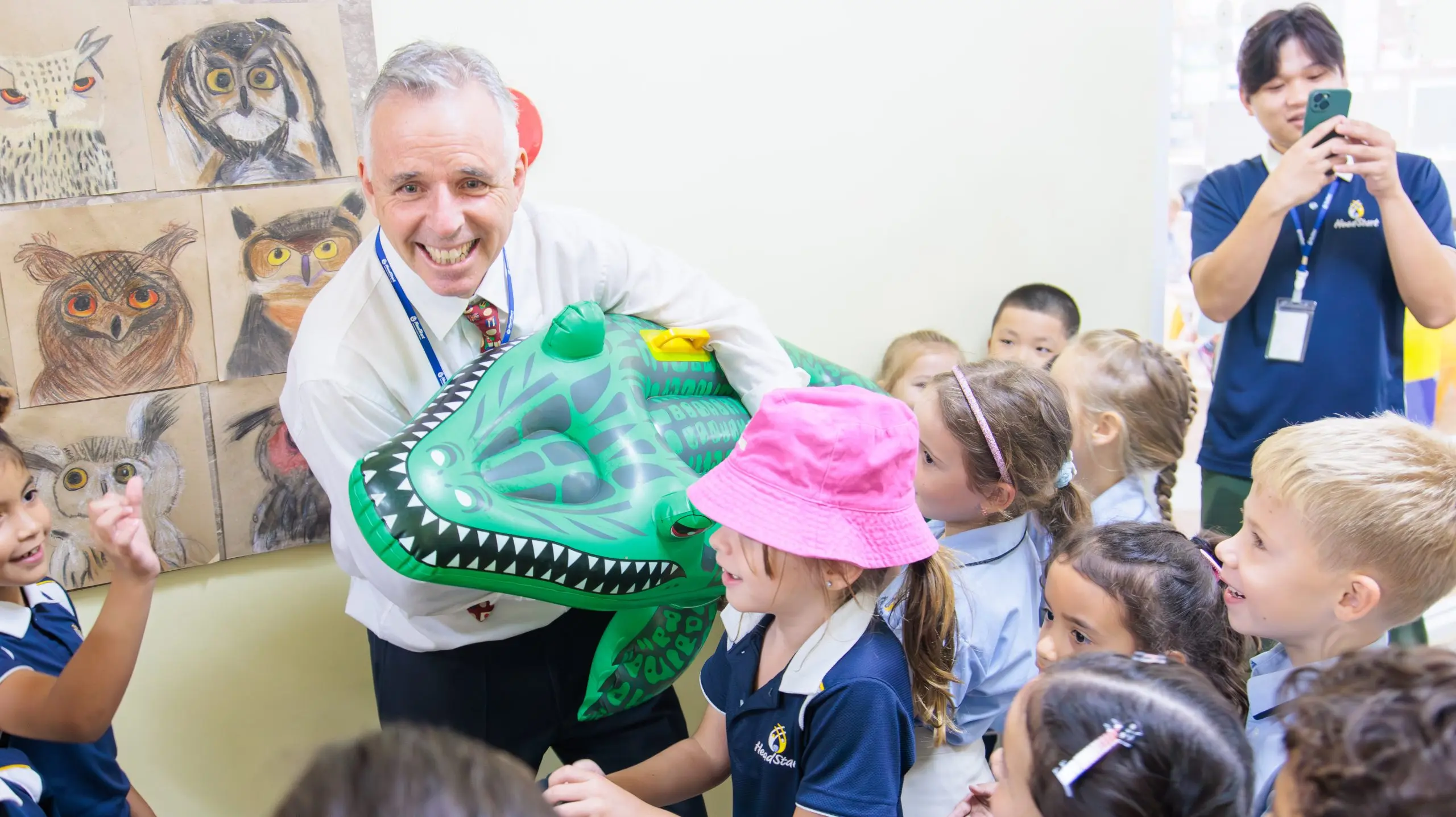
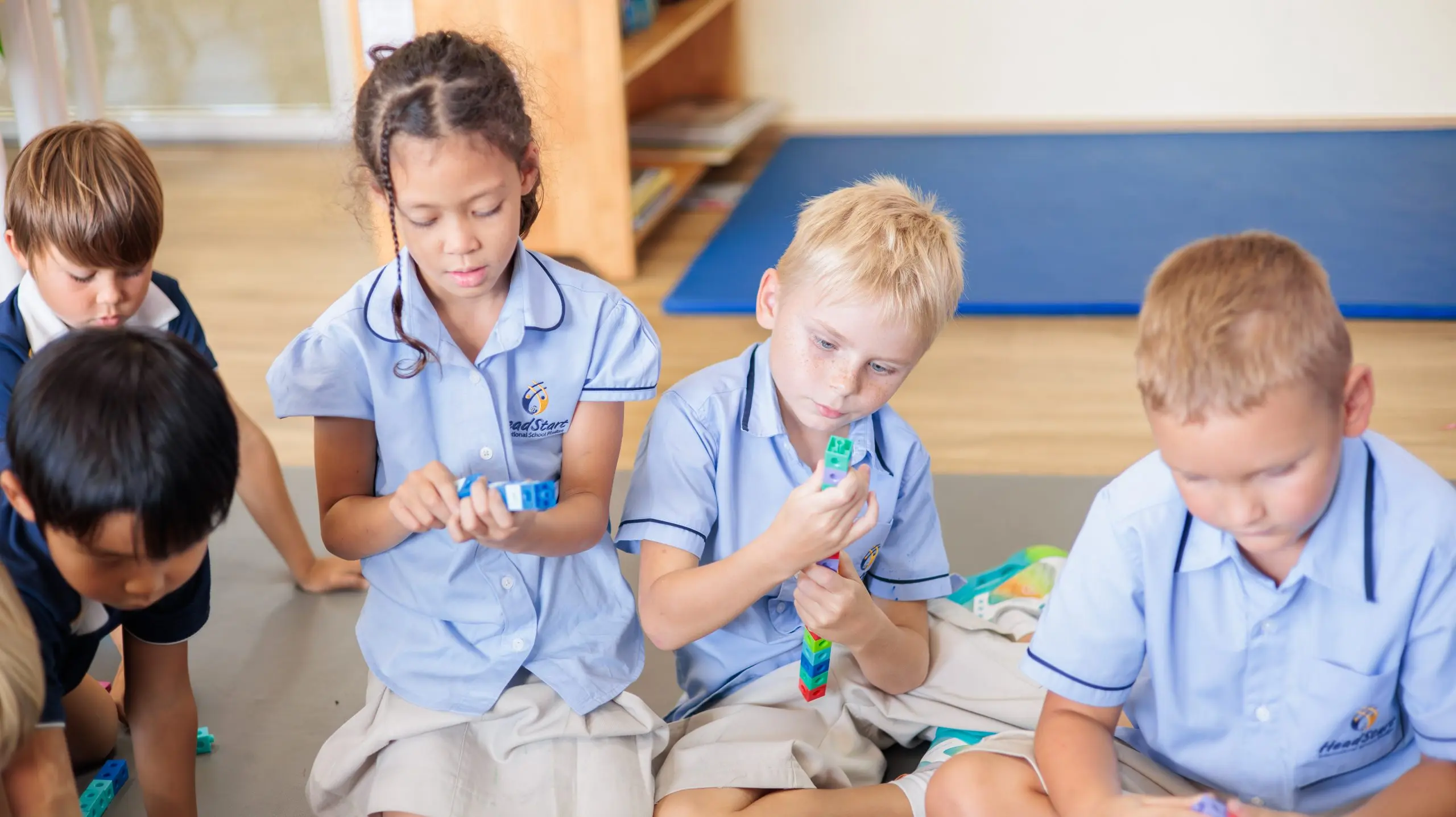
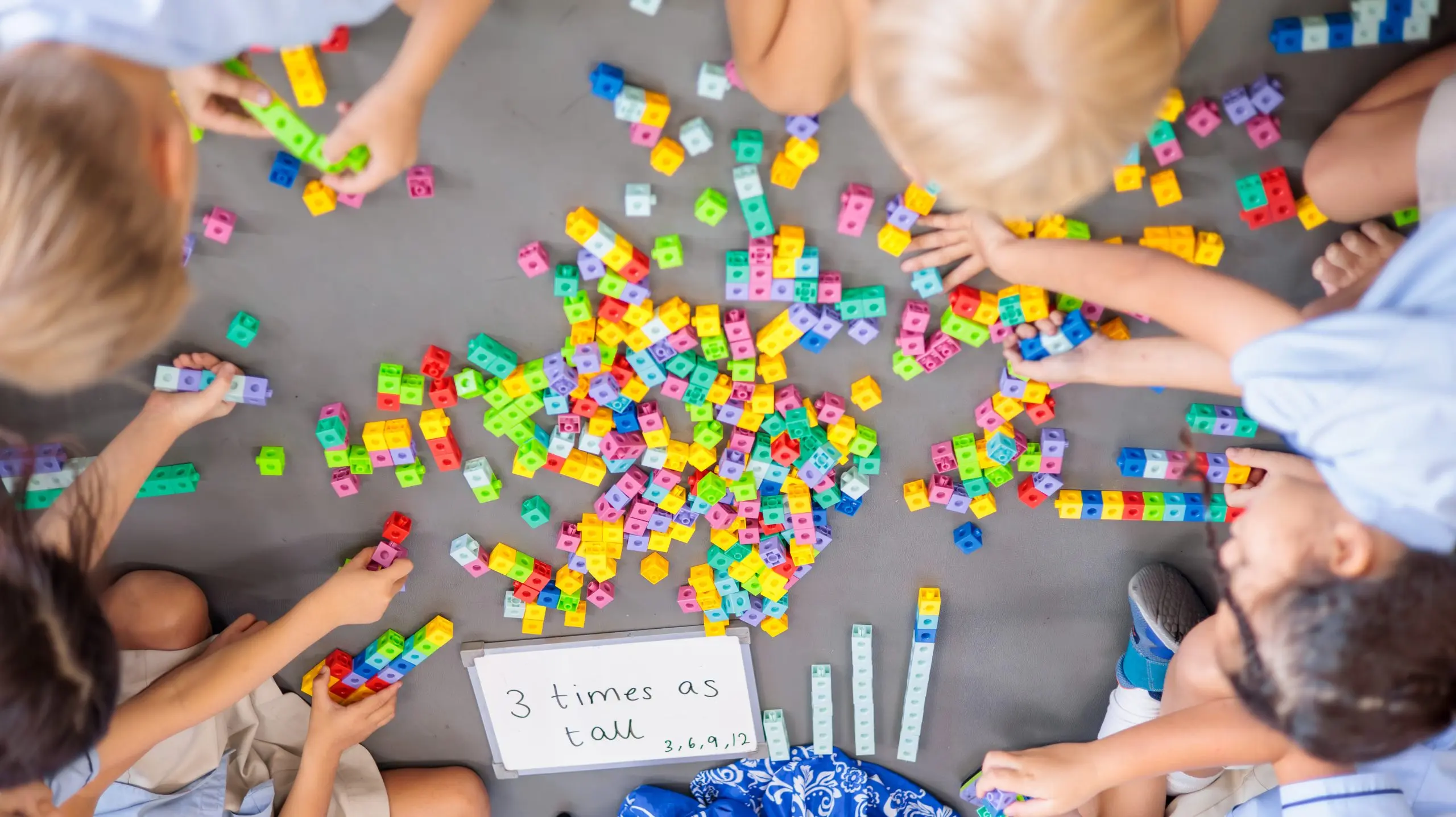
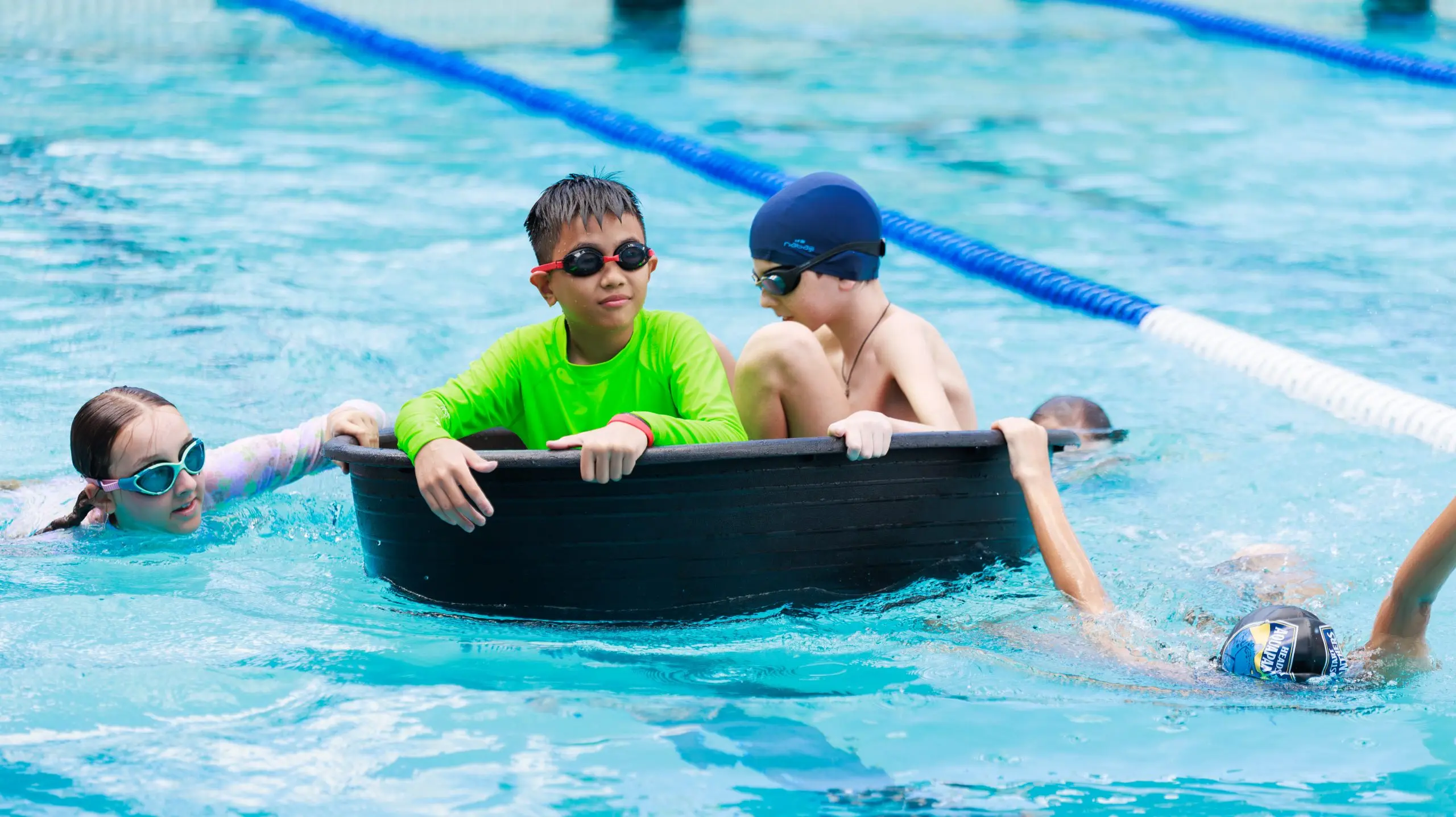
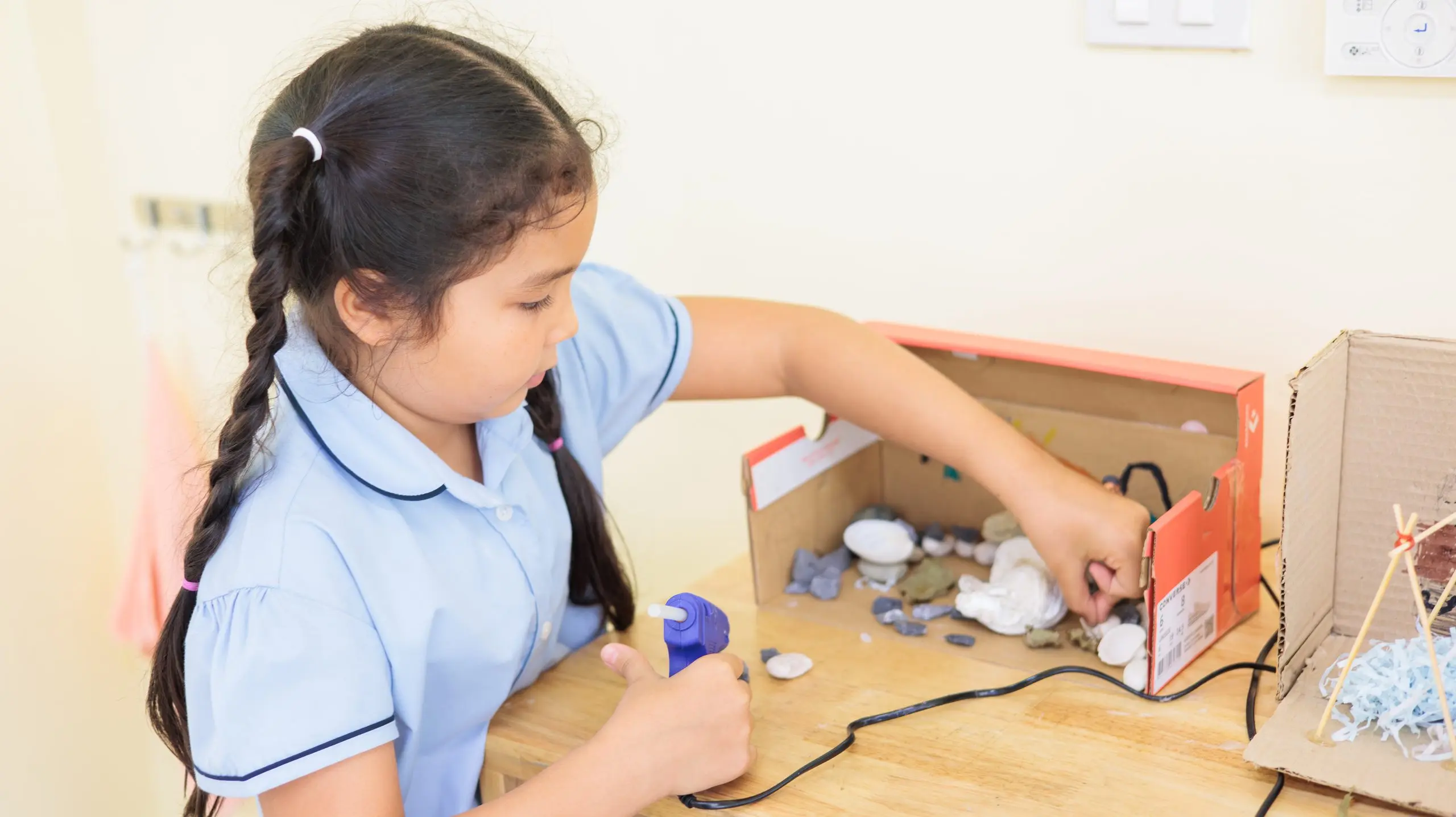
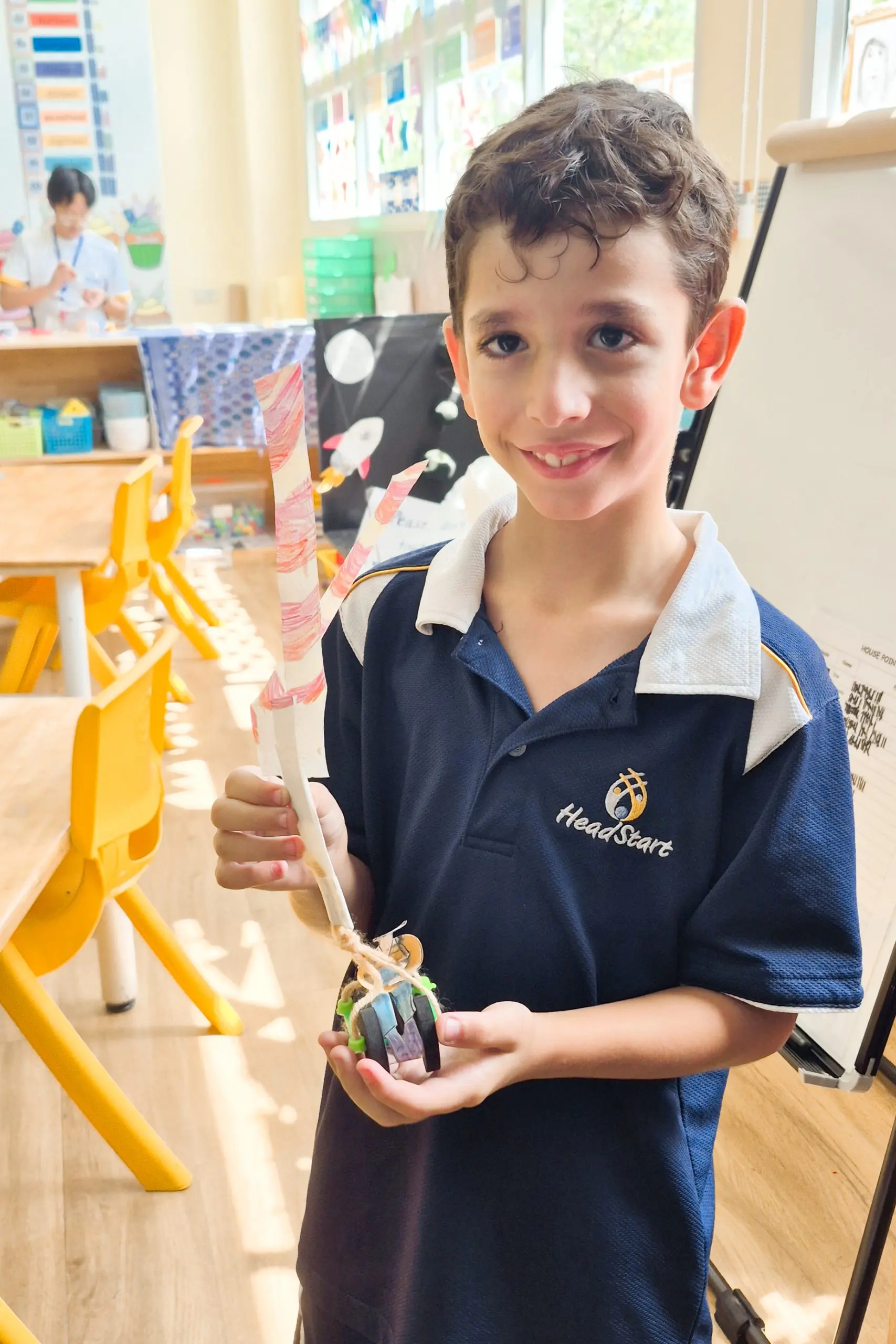

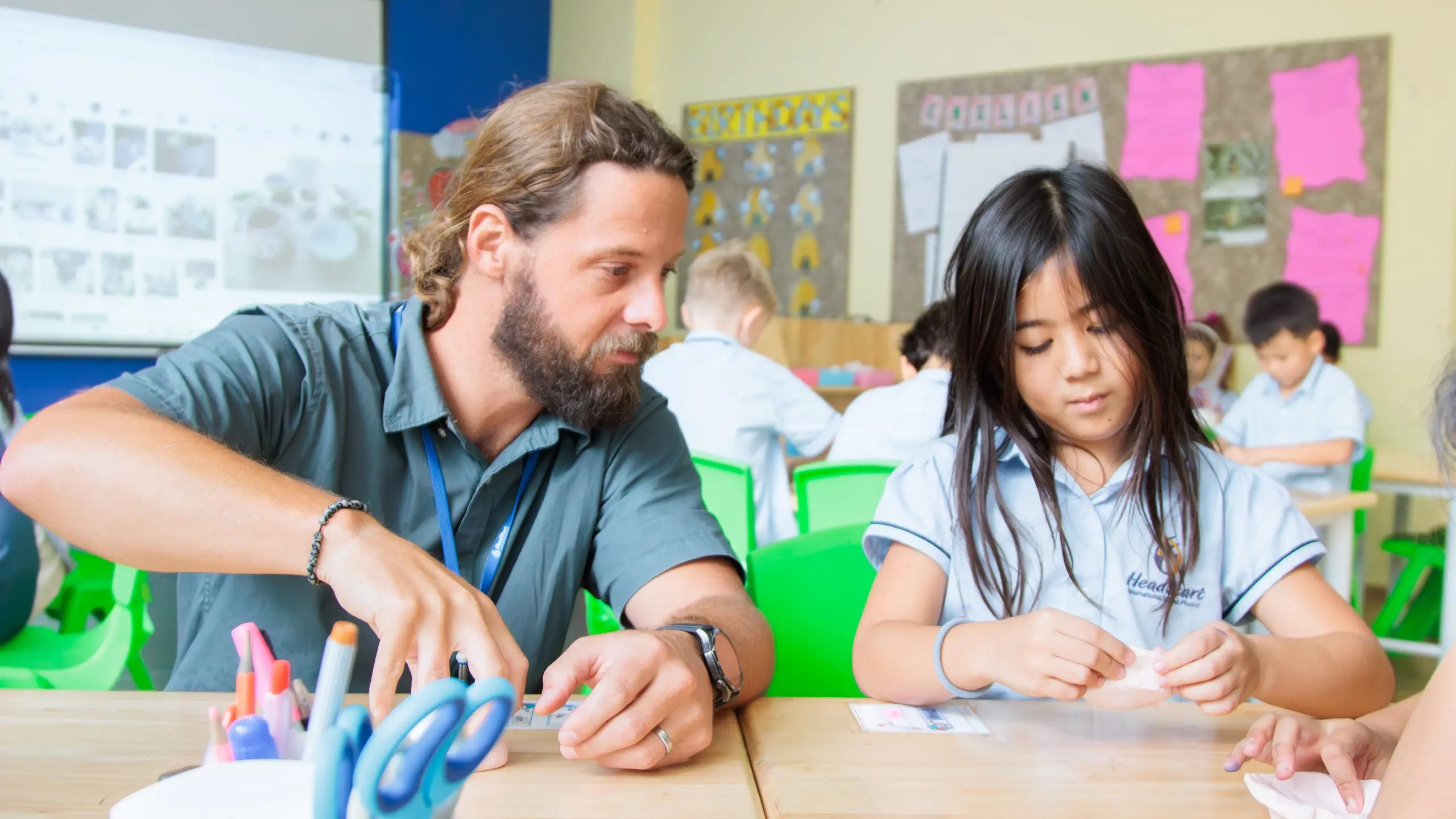
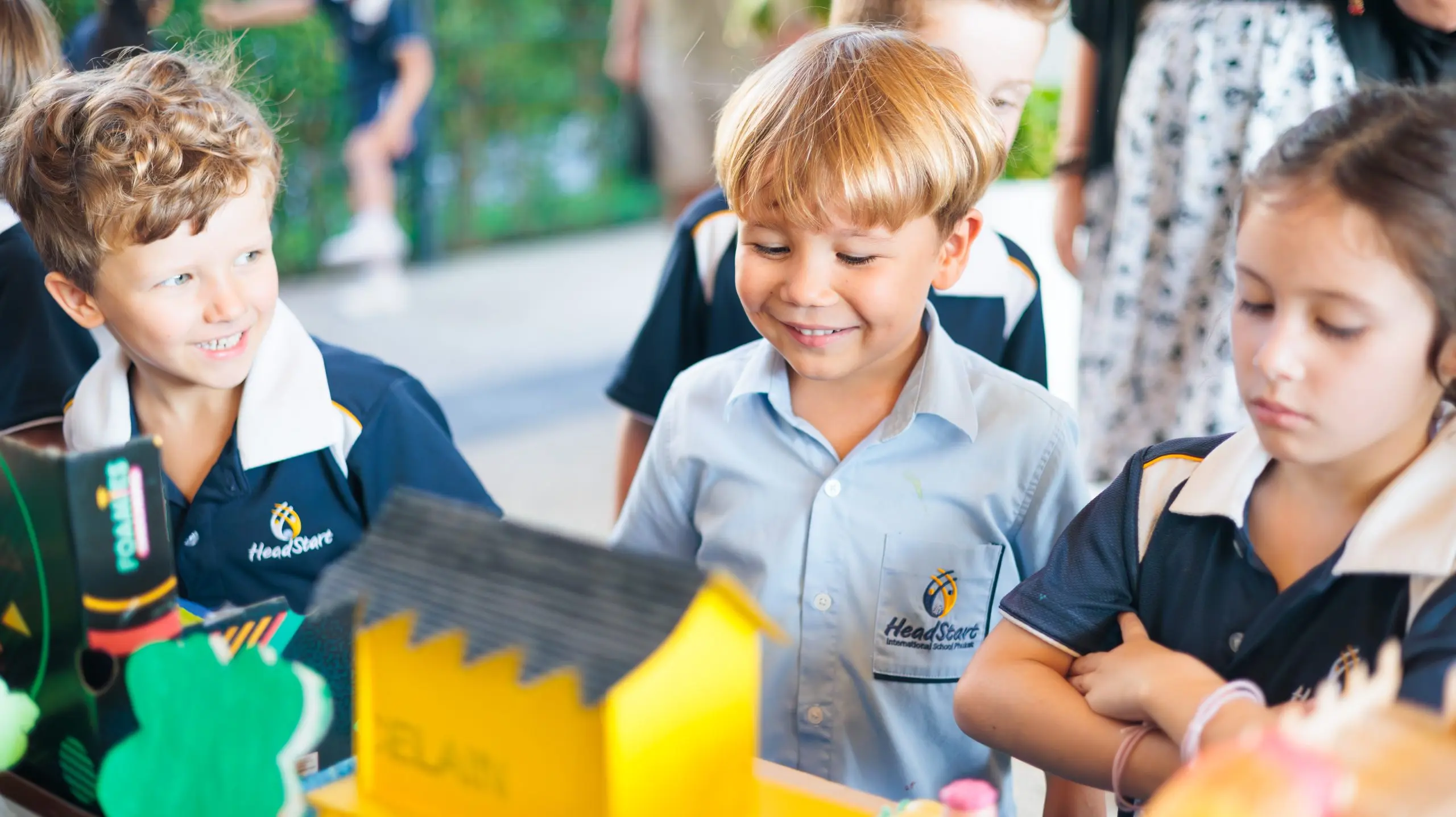
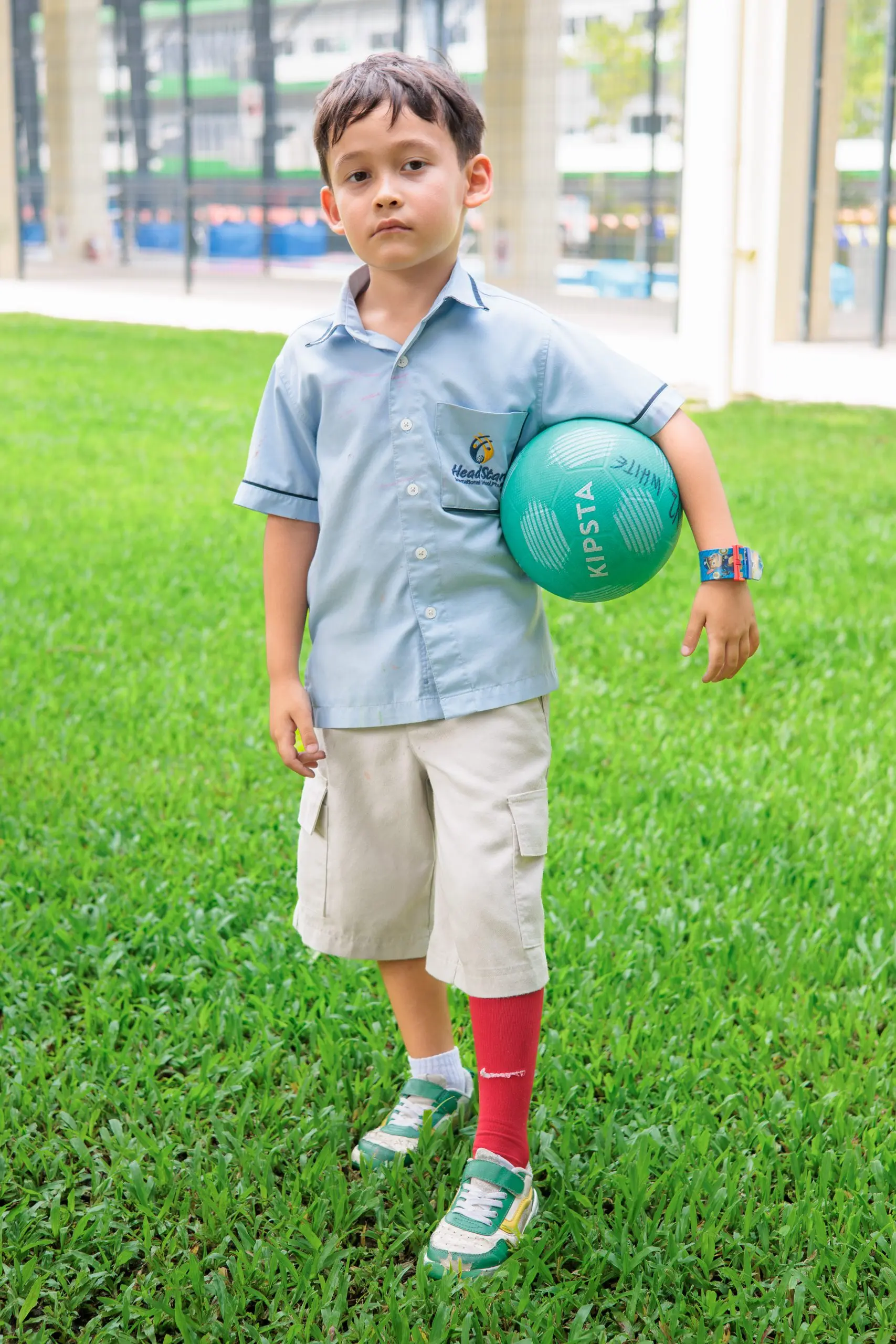
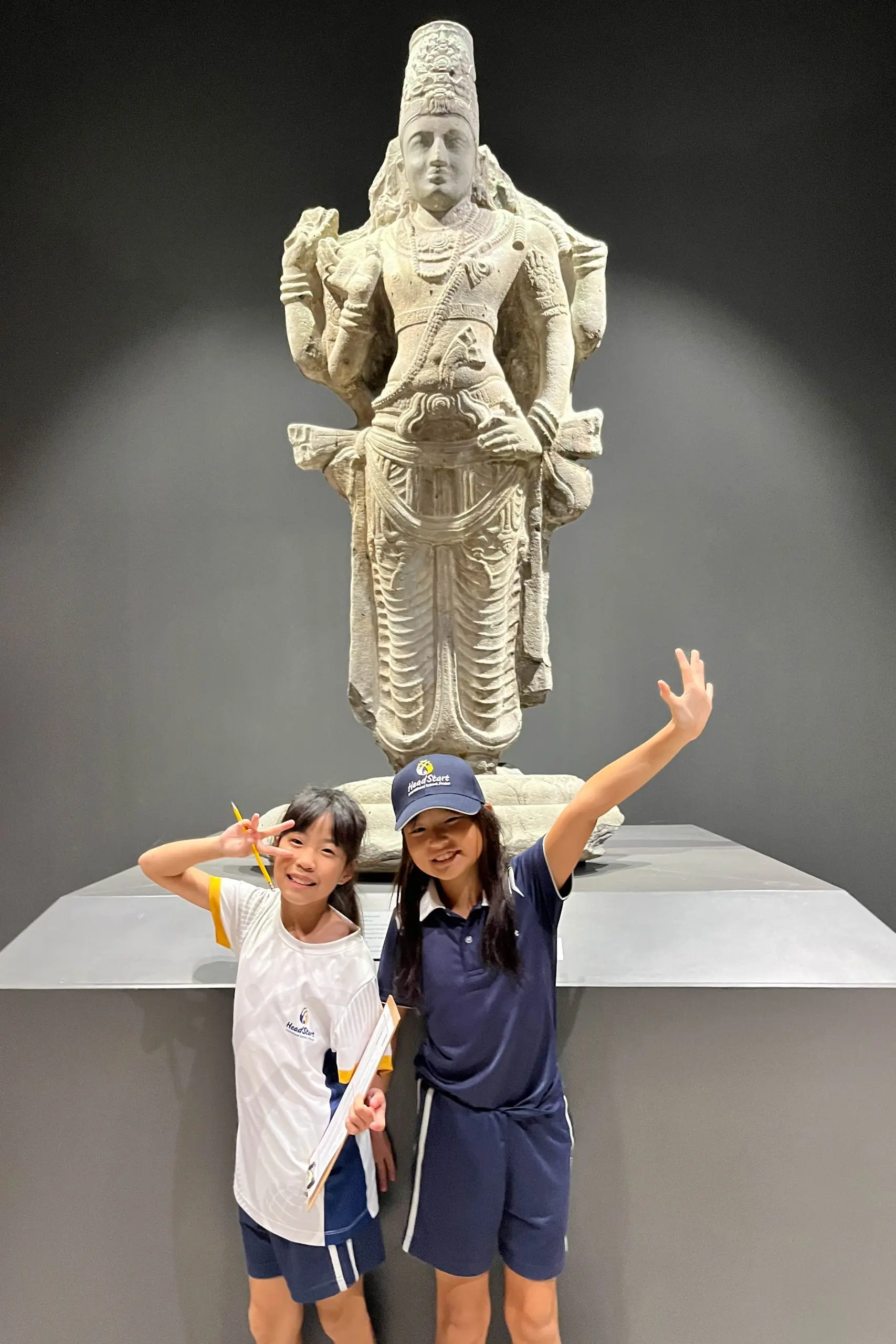
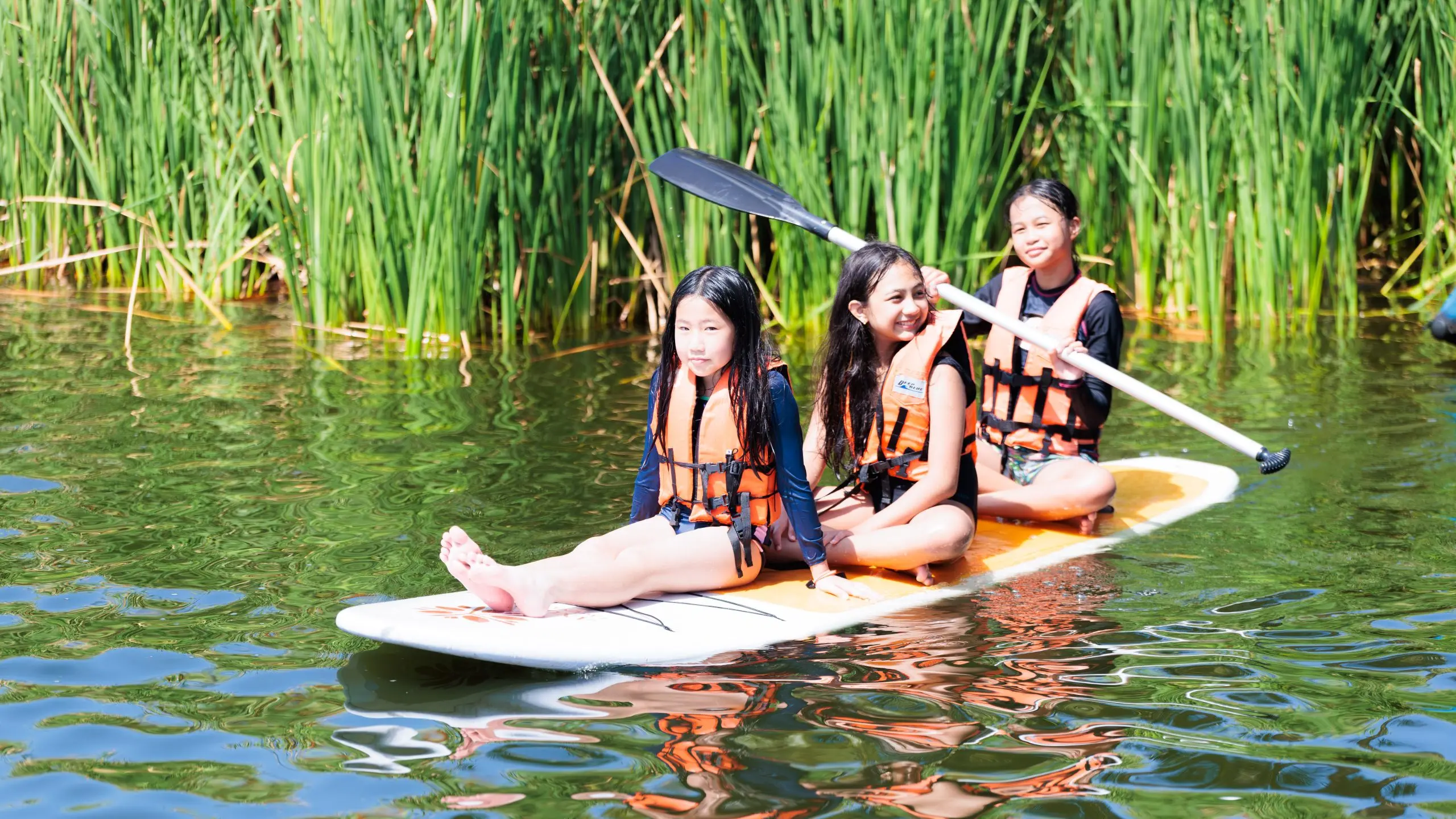
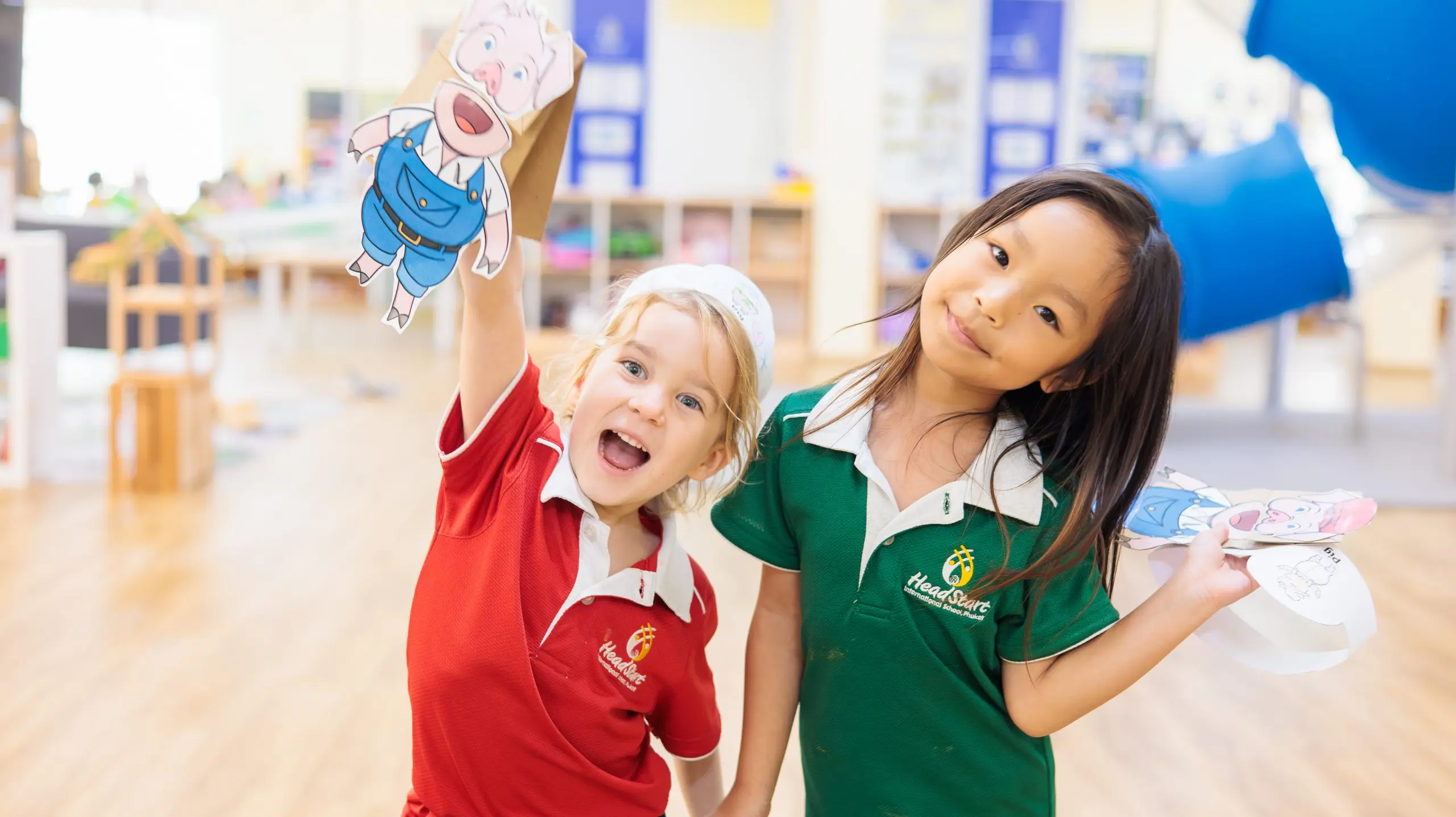
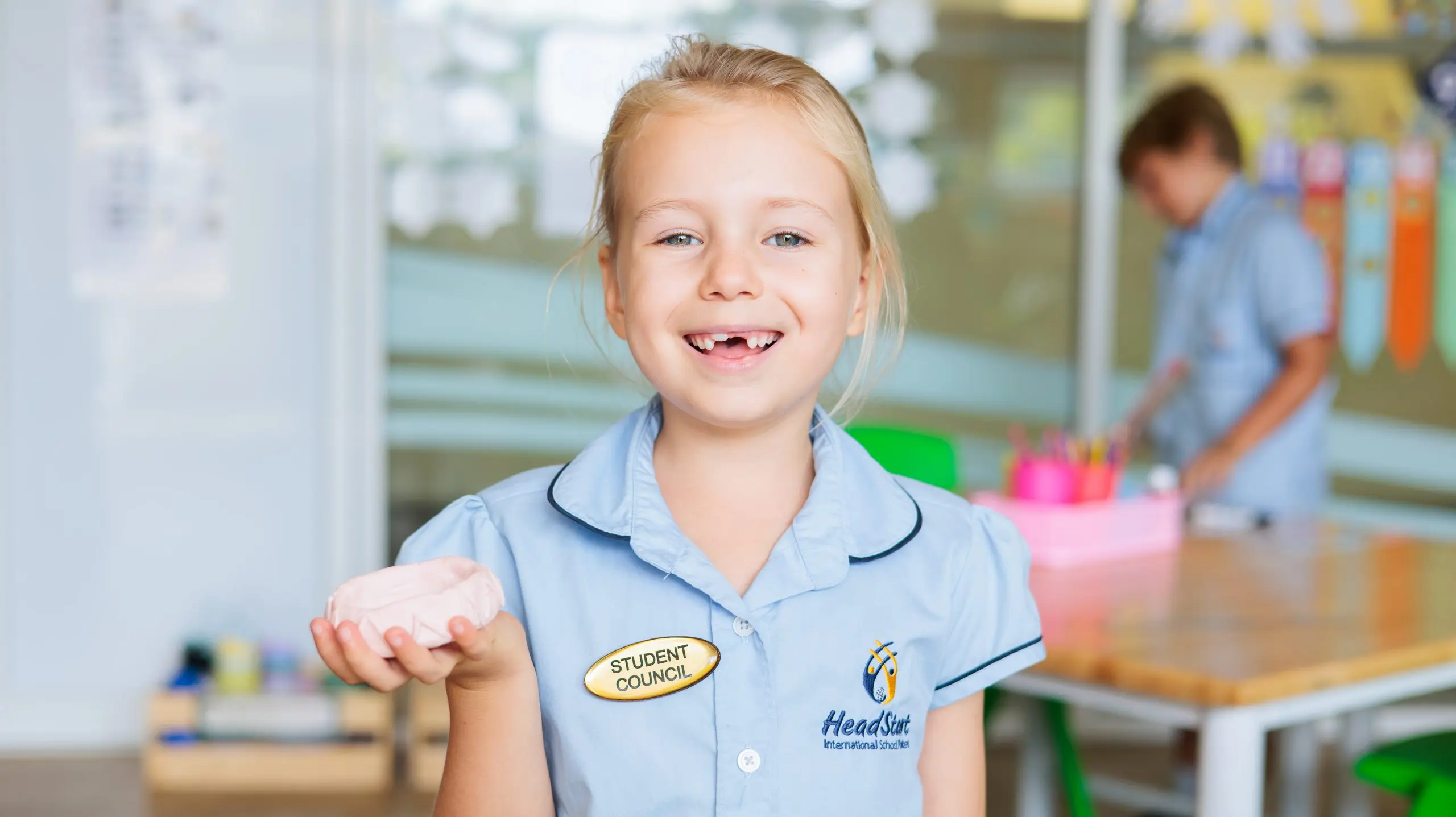
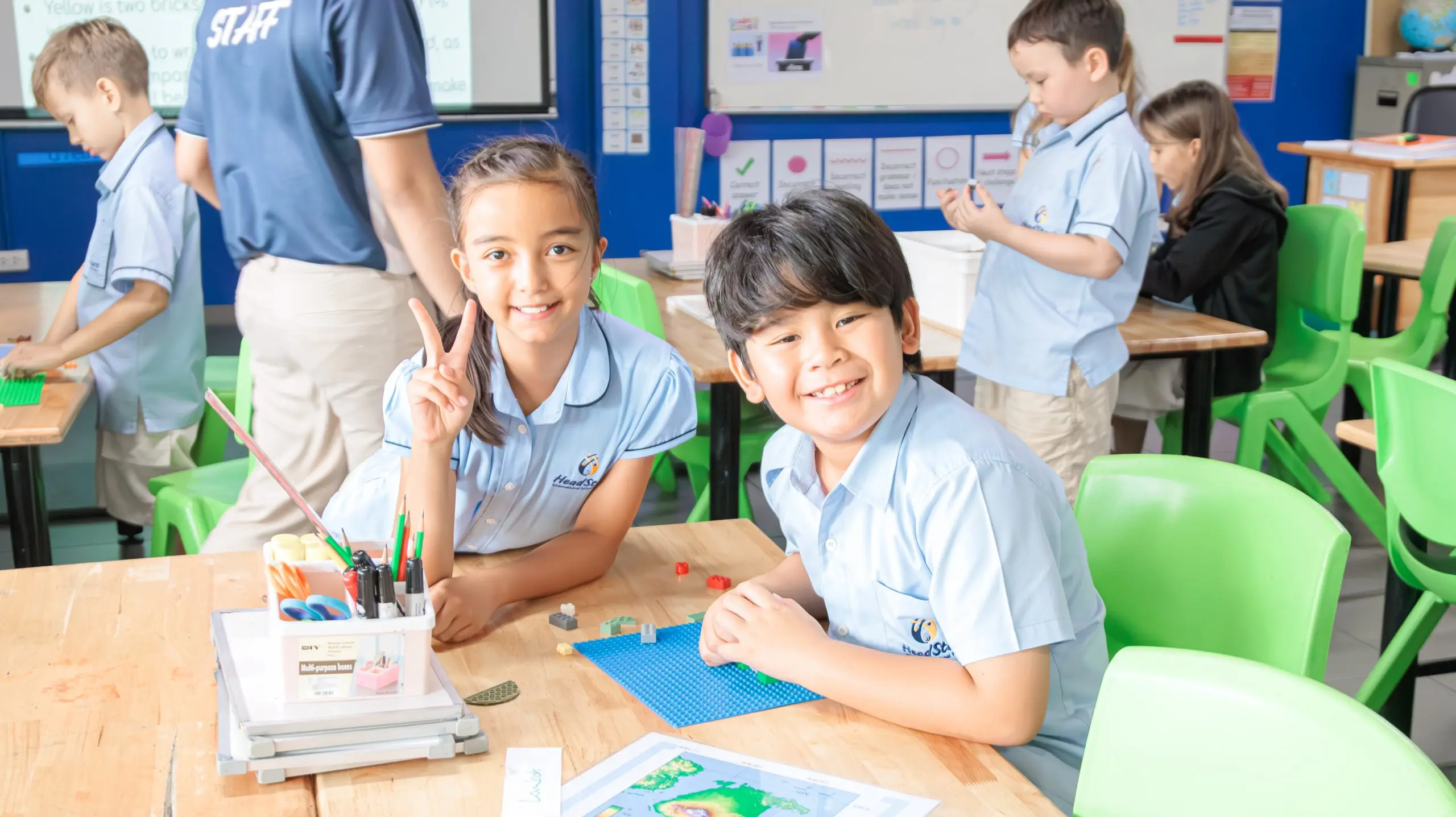
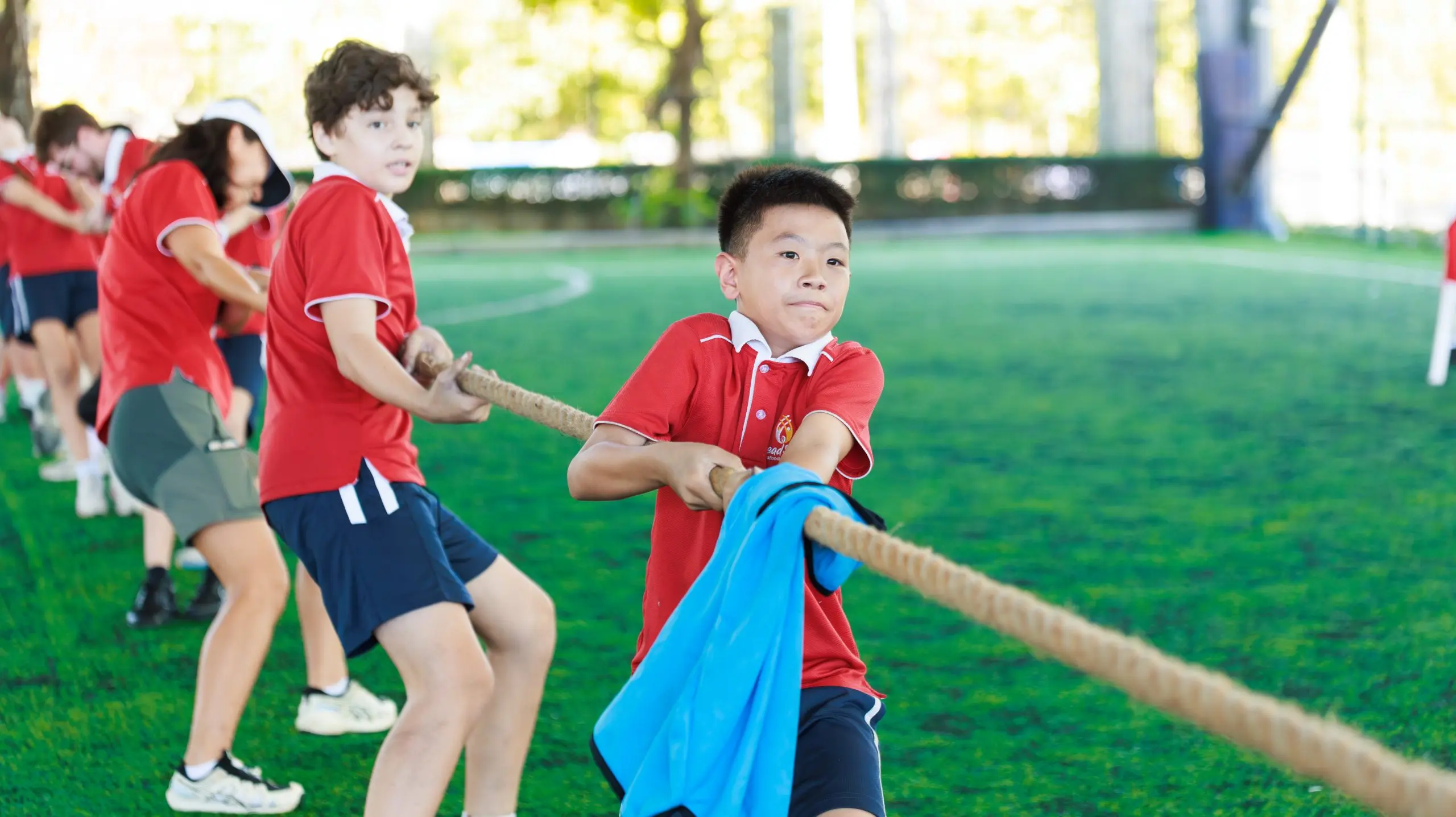
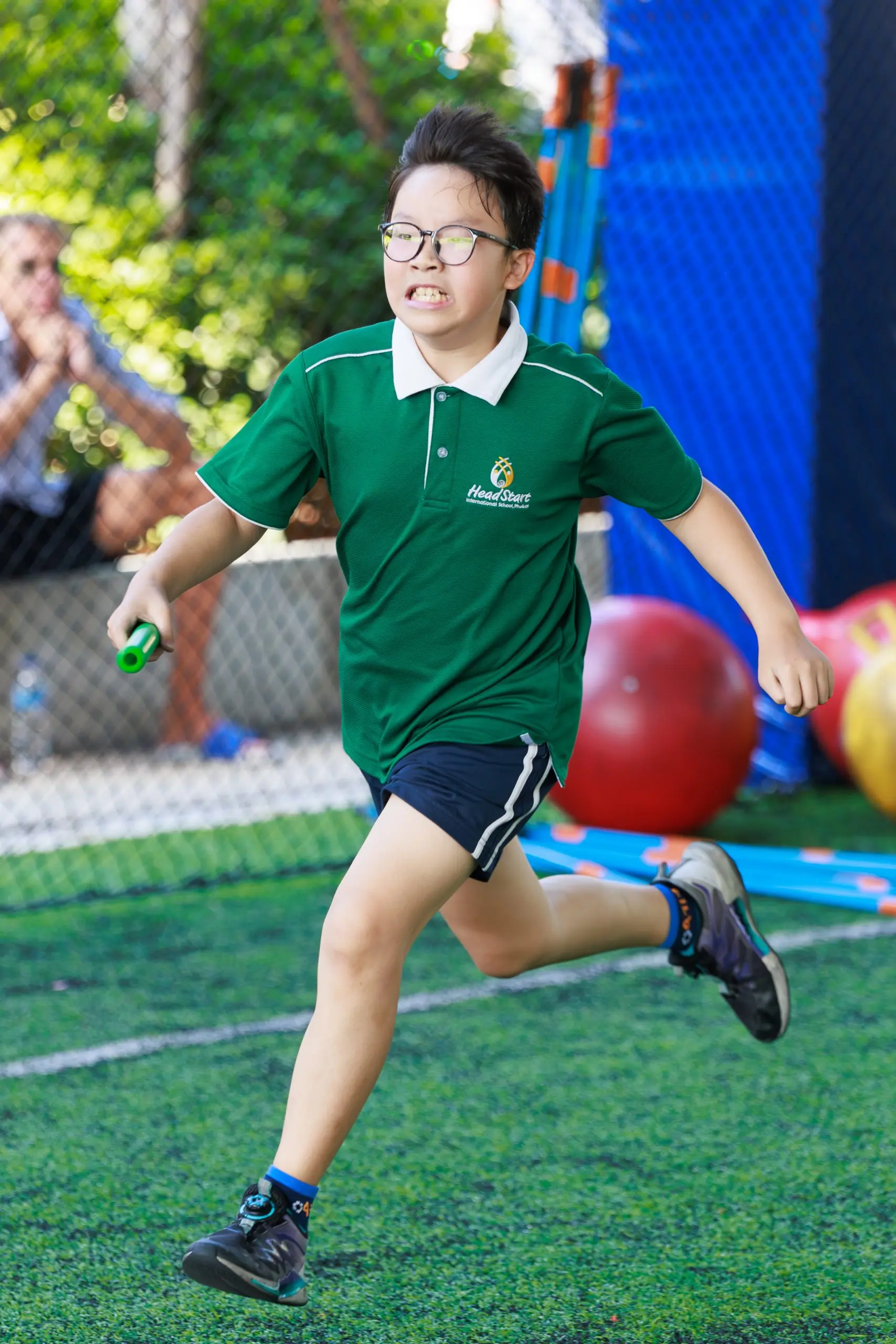
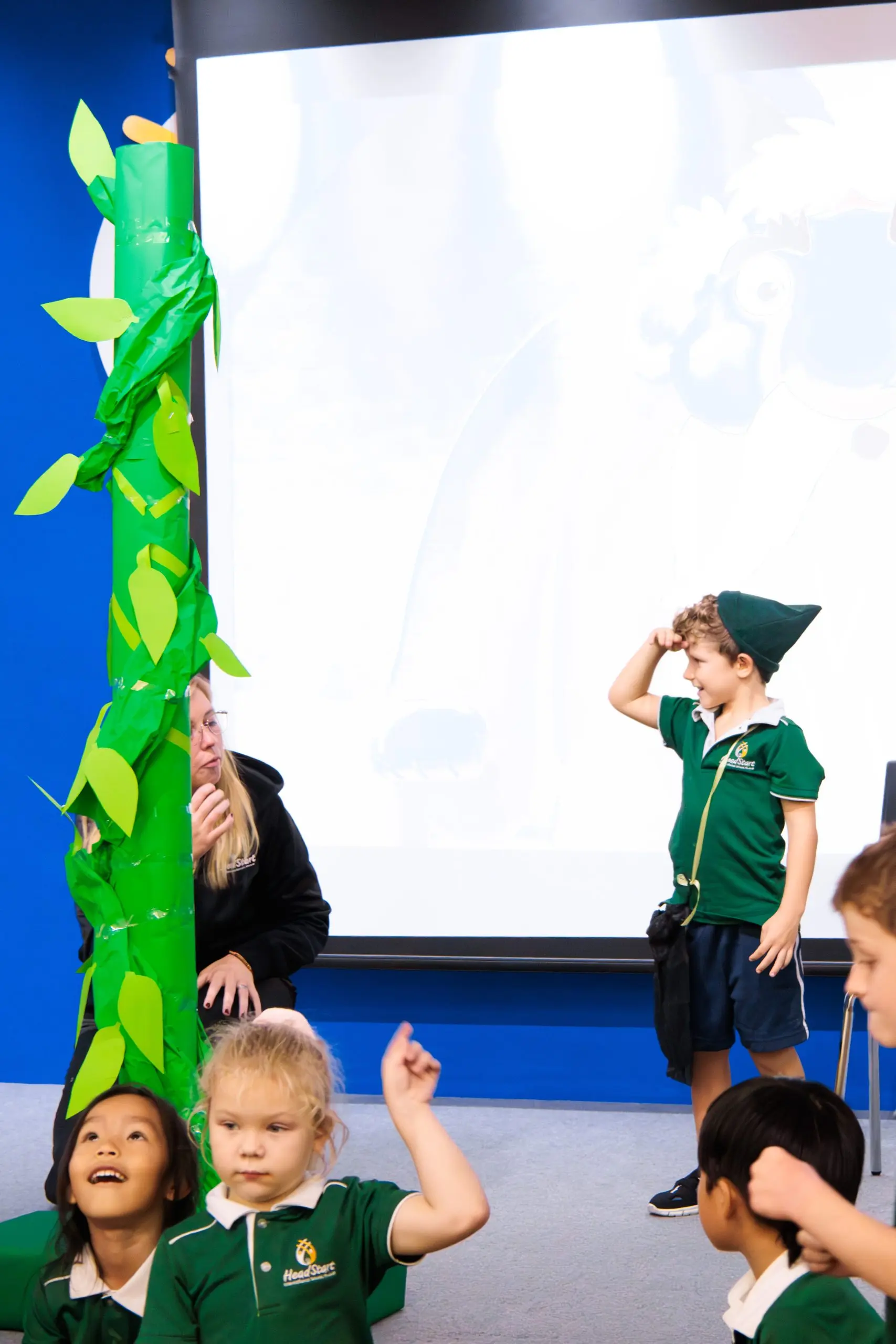
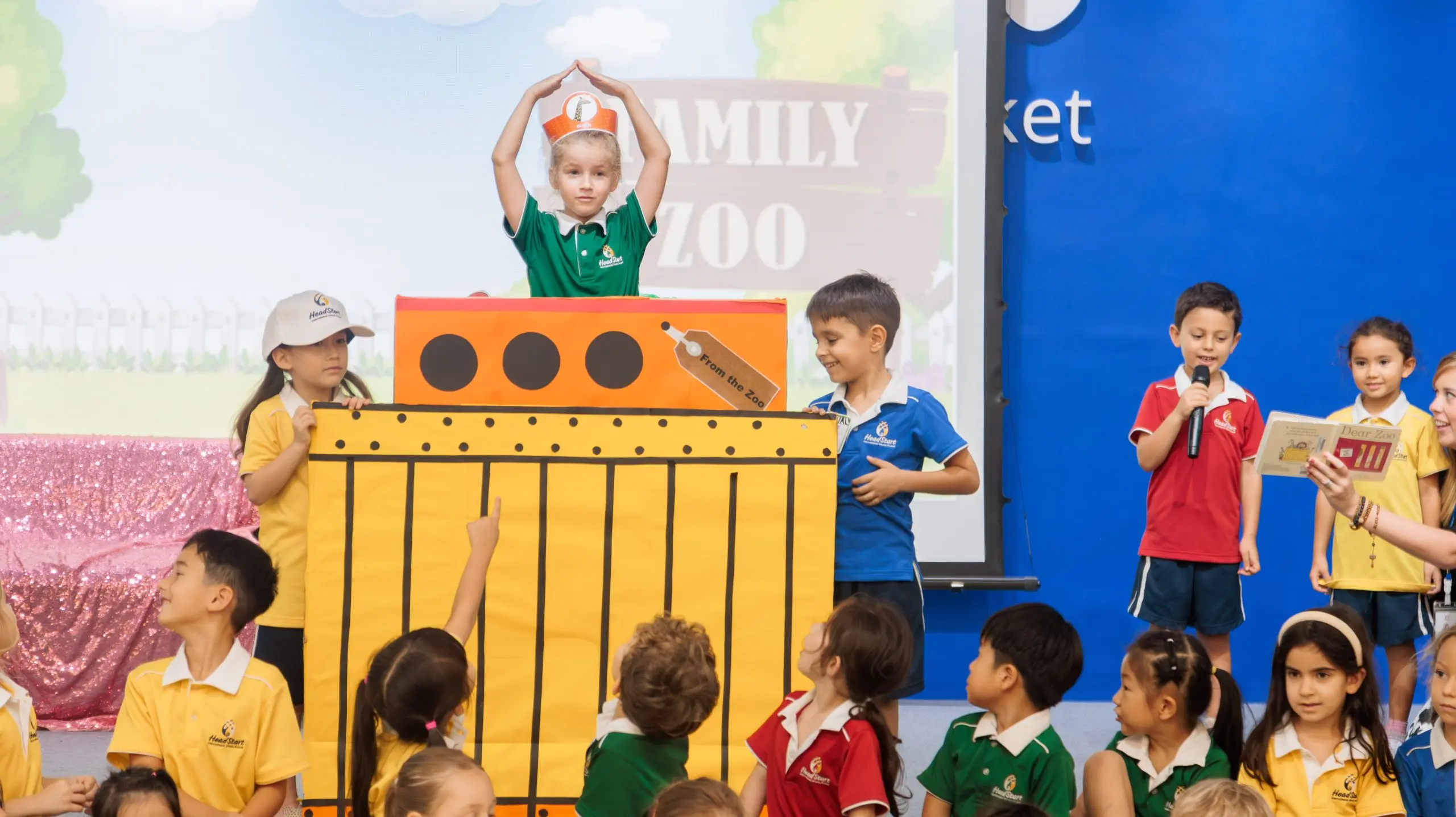
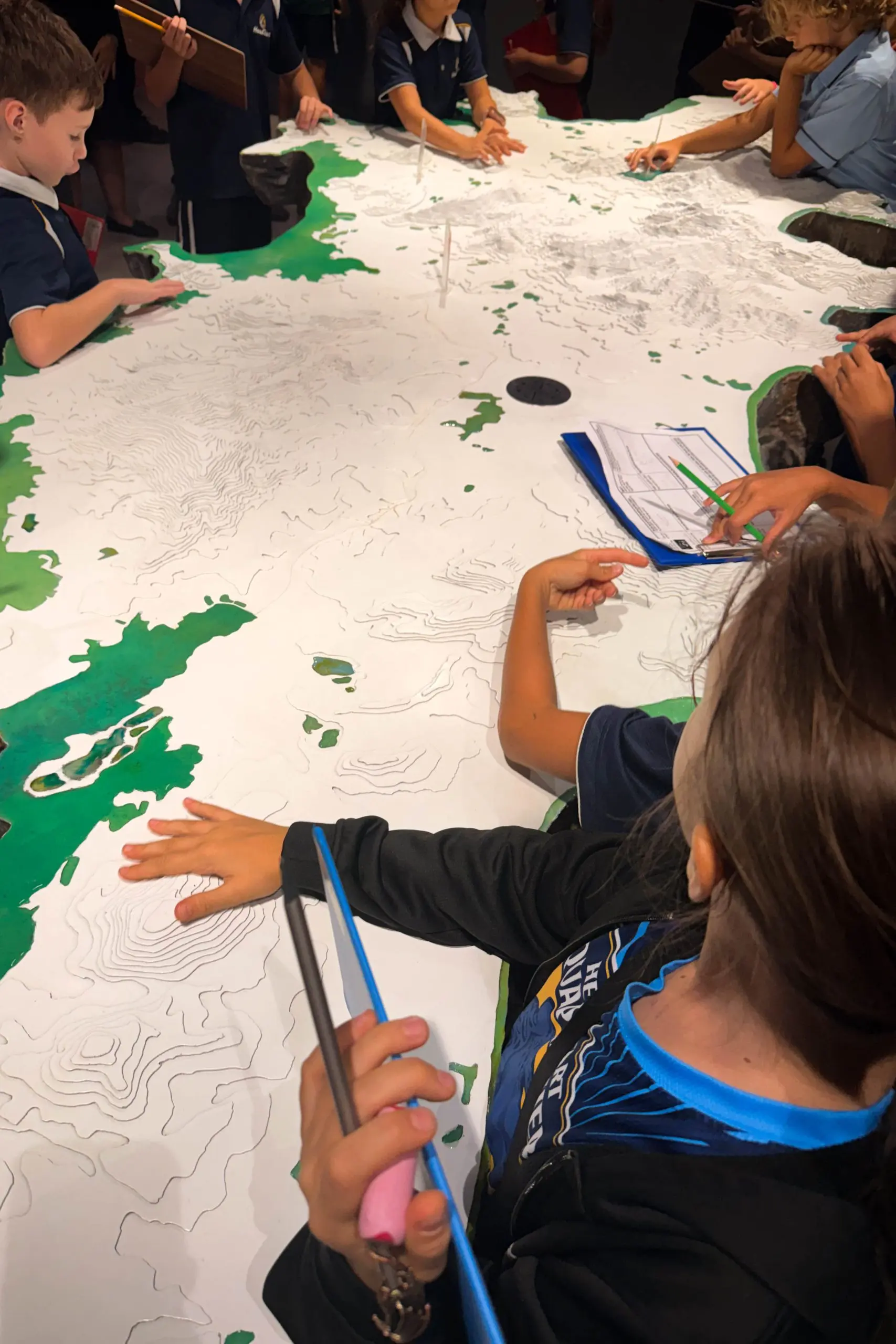
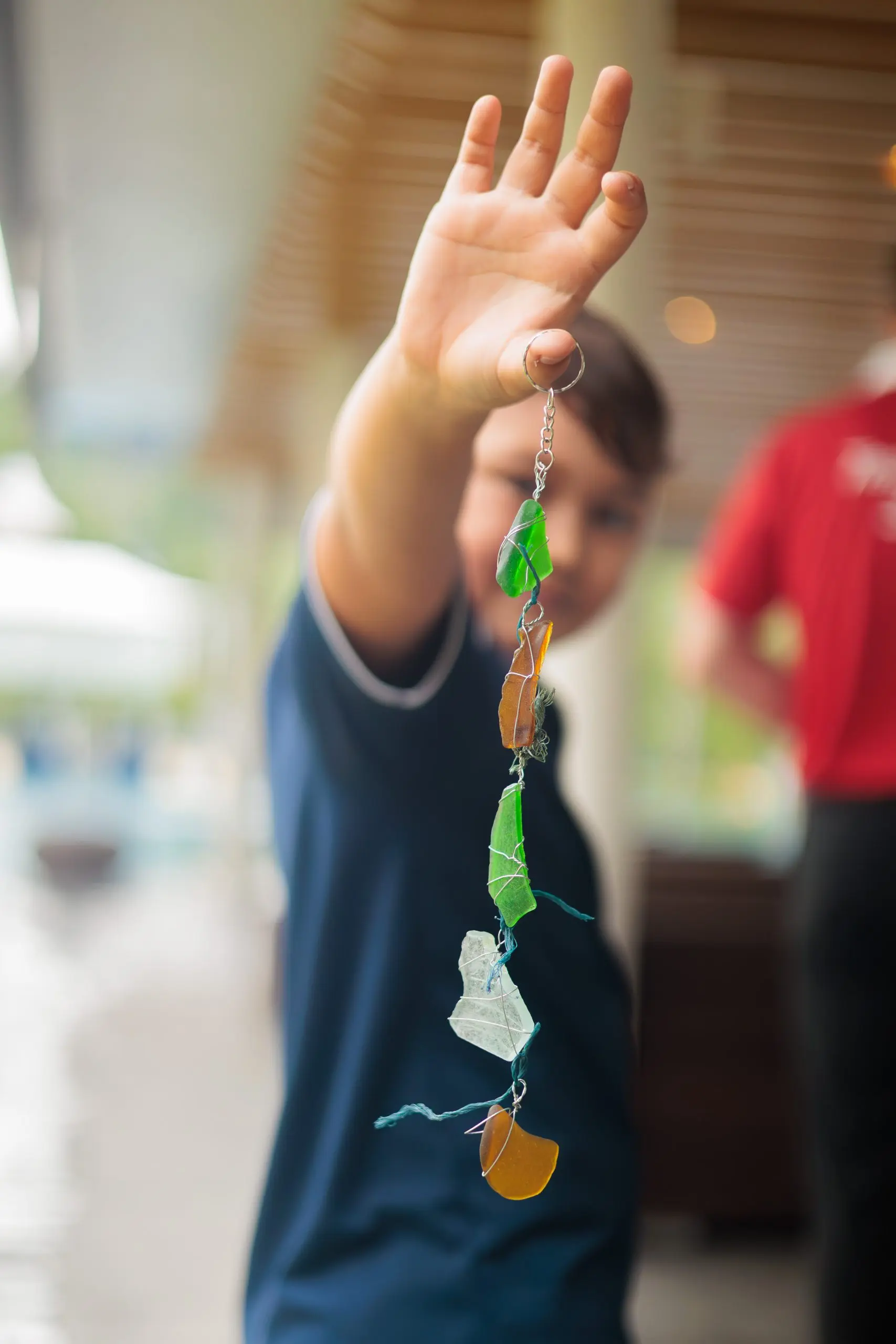


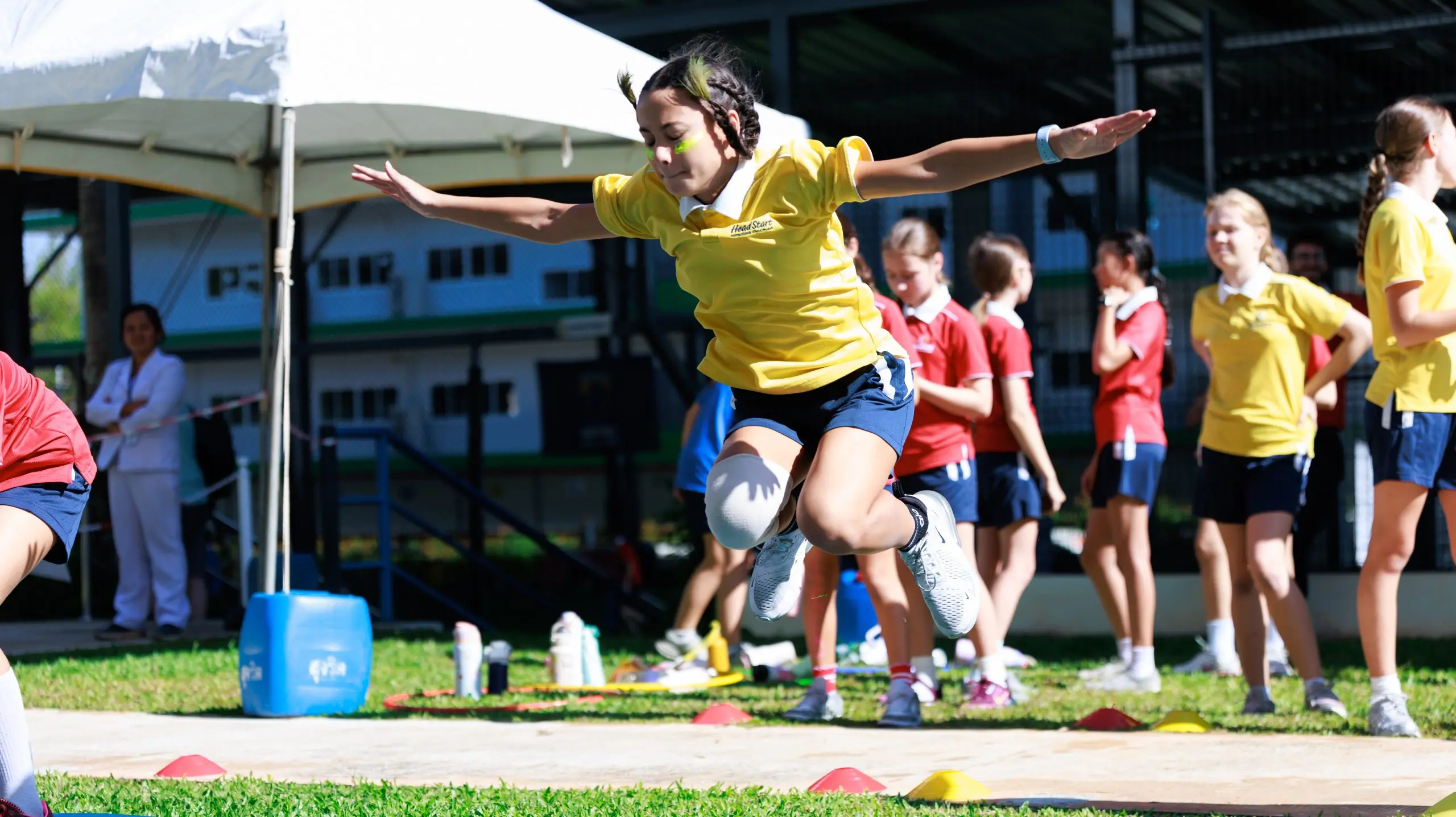
Inspiring a love of learning
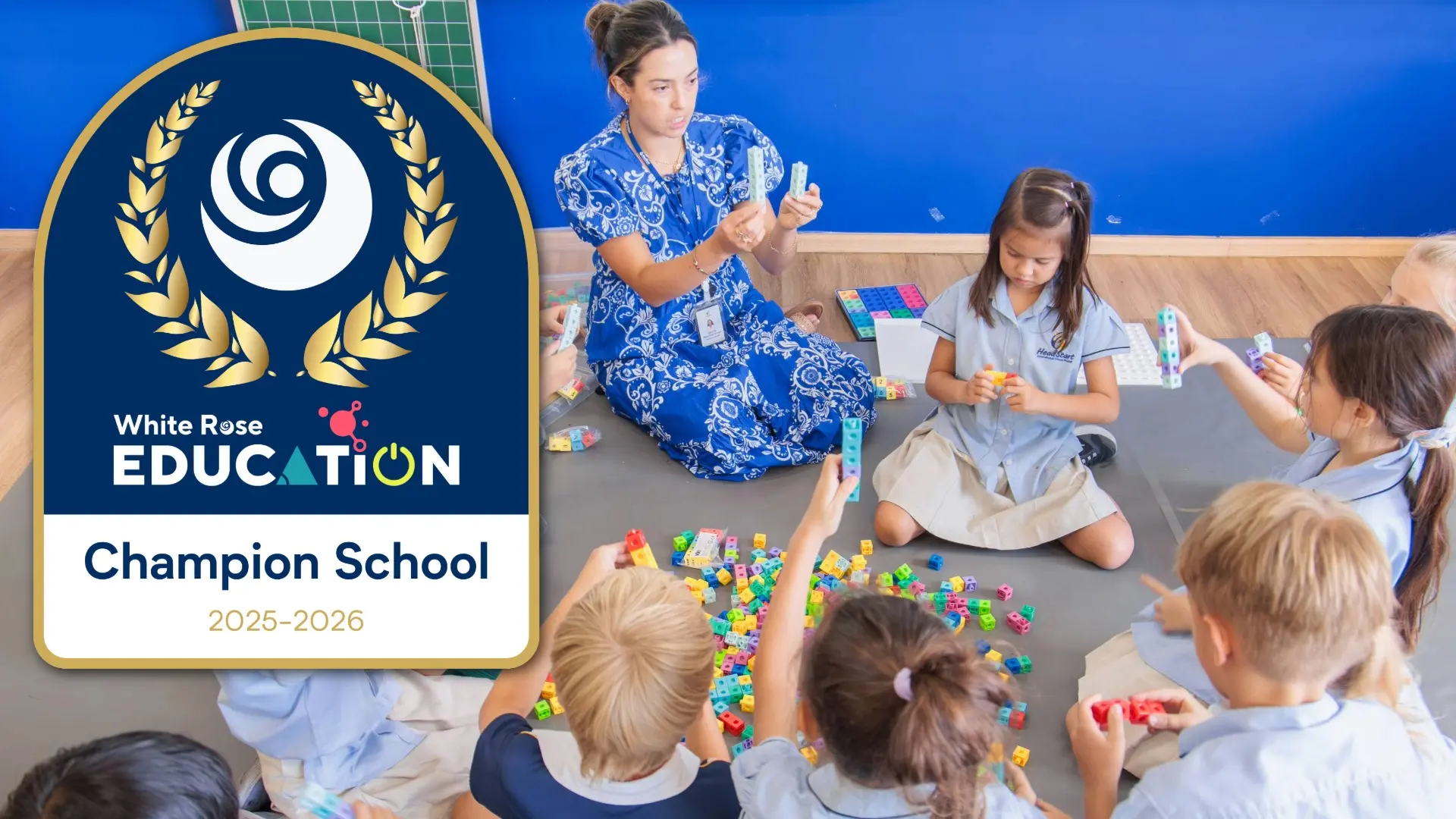
Mathematical Fluency & Reasoning
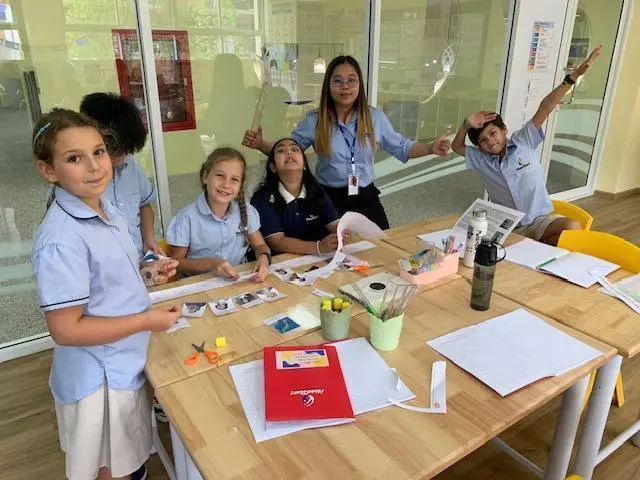
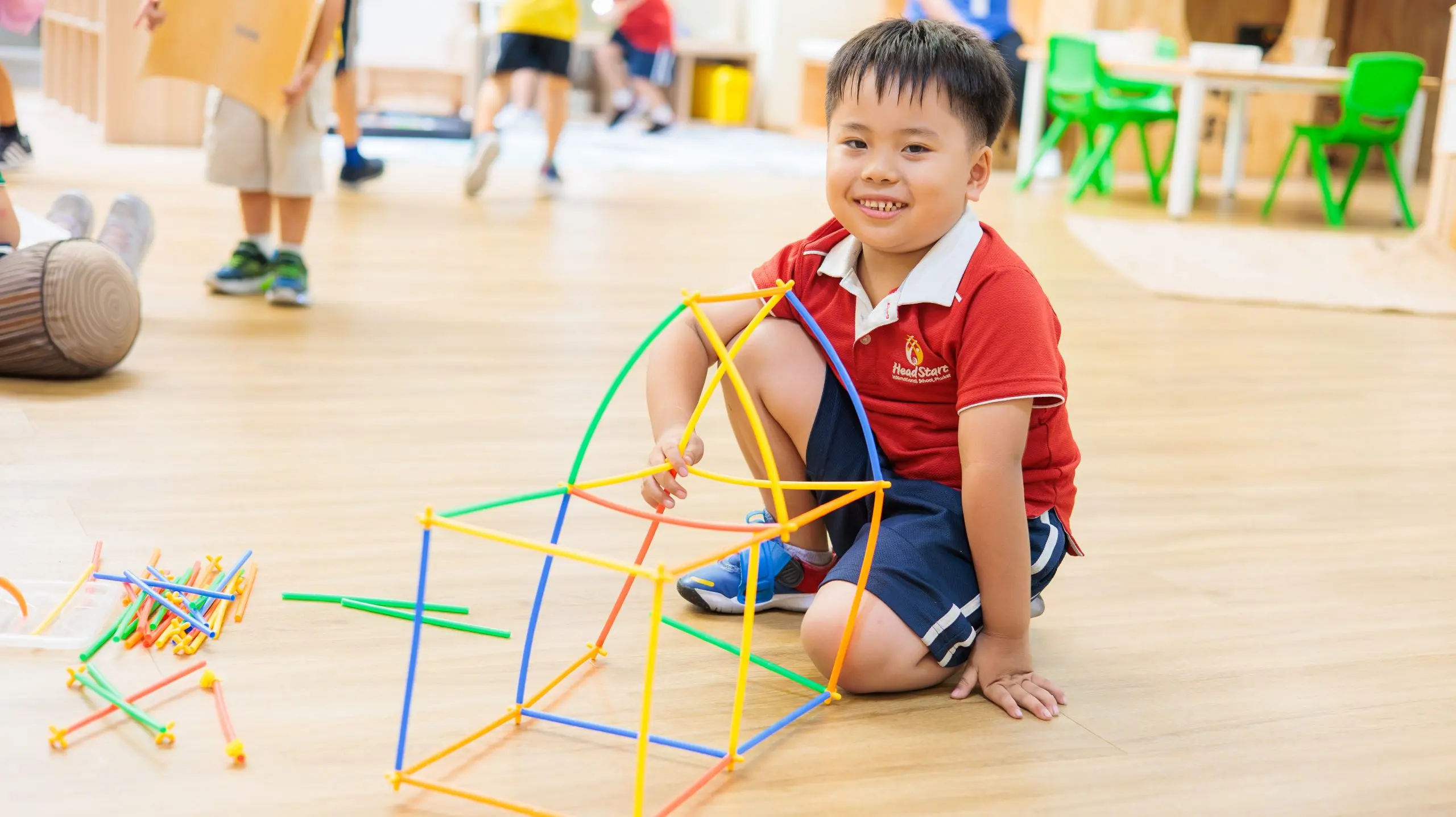
We transform abstract mathematical concepts into concrete, real-world tools. Through active problem-solving, collaborative logic games, and measurement challenges, your child develops a robust numerical fluency that they can instantly apply to the world around them.
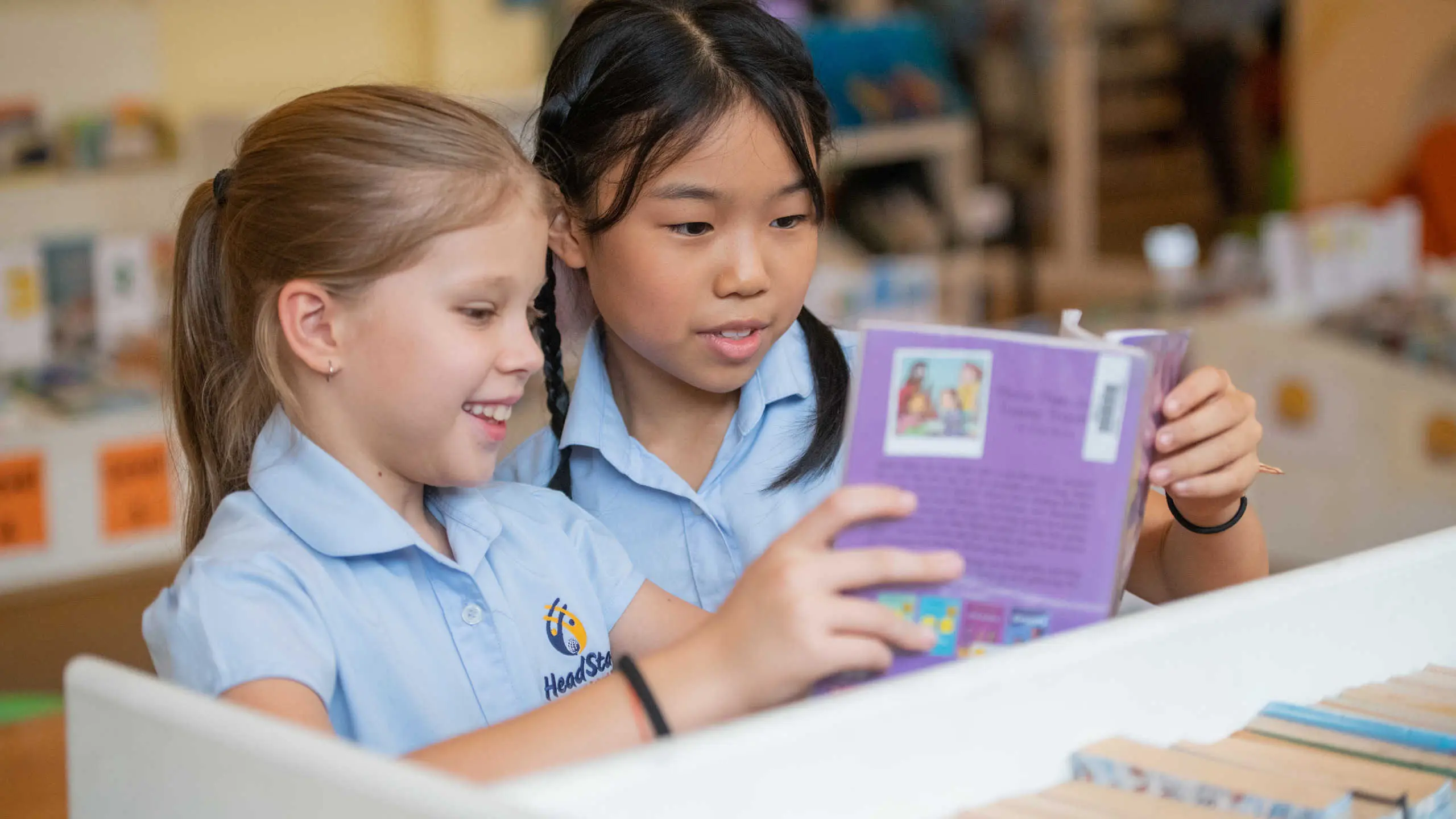
English & Literacy
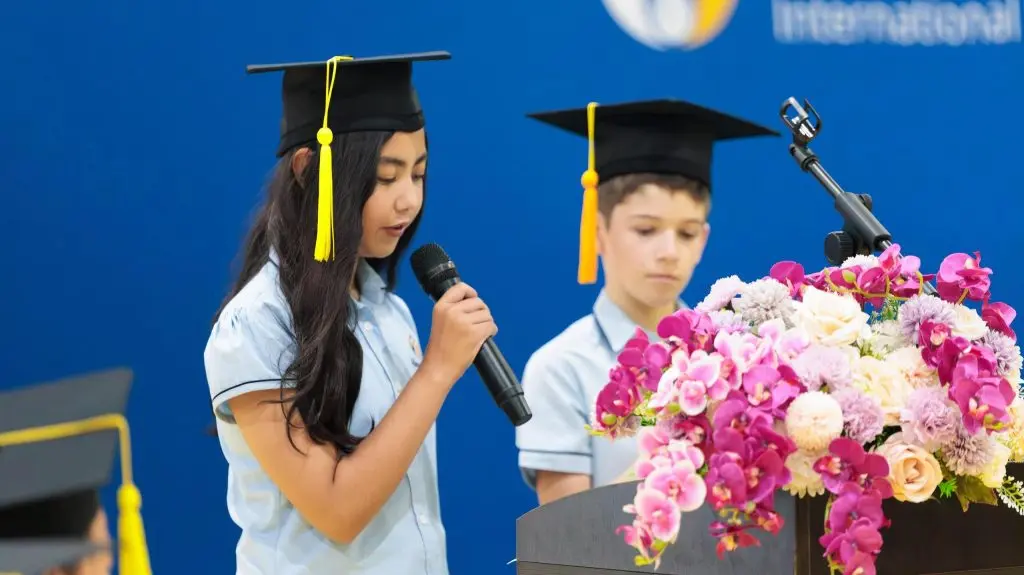
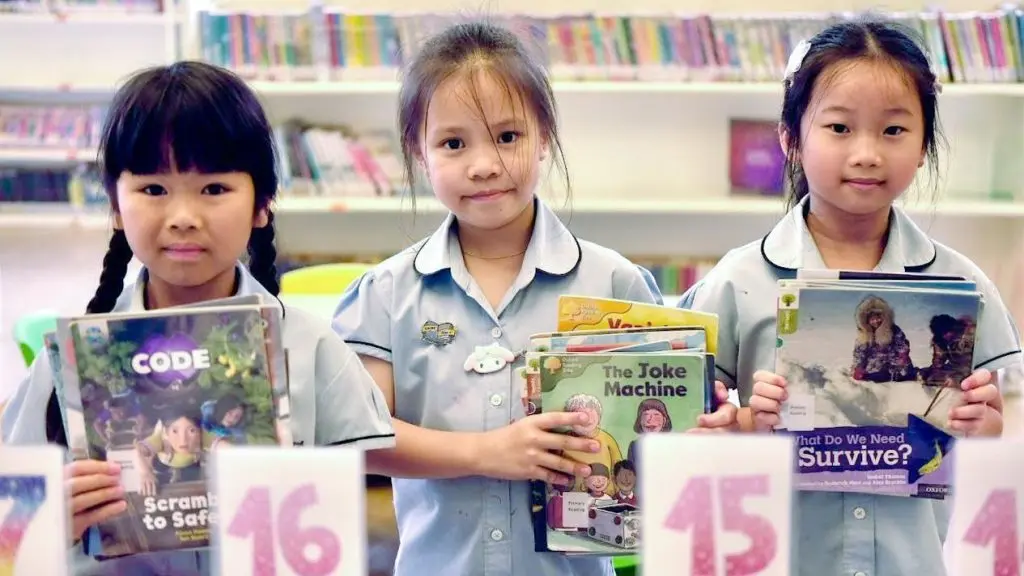
Immersing students in a rich, expressive literary environment, we build advanced communication and critical analysis skills. Through guided reading, confident public speaking, and creative writing, we ensure your child becomes a fluent, articulate communicator with a deep, lifelong passion for literature.

Personal Growth, Global Awareness
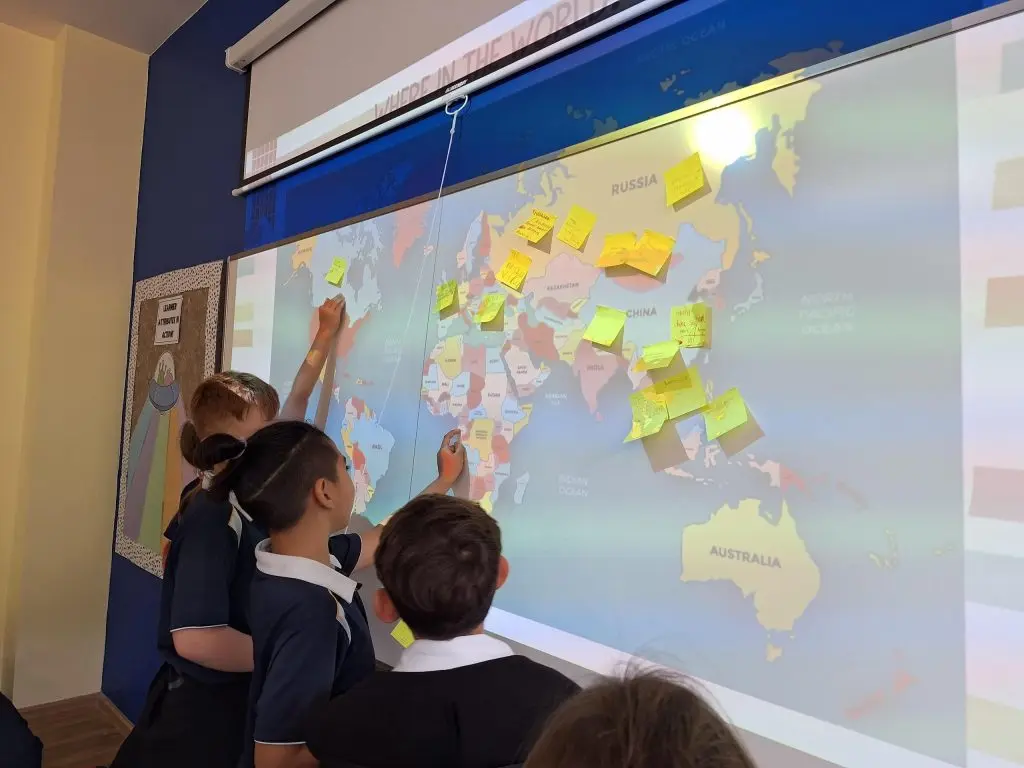
Our students develop essential social-emotional skills, learning to build healthy relationships, manage their emotions, and celebrate diversity. They acquire practical knowledge in digital safety, health, and active citizenship, empowering them to navigate real-world challenges with confidence and integrity.
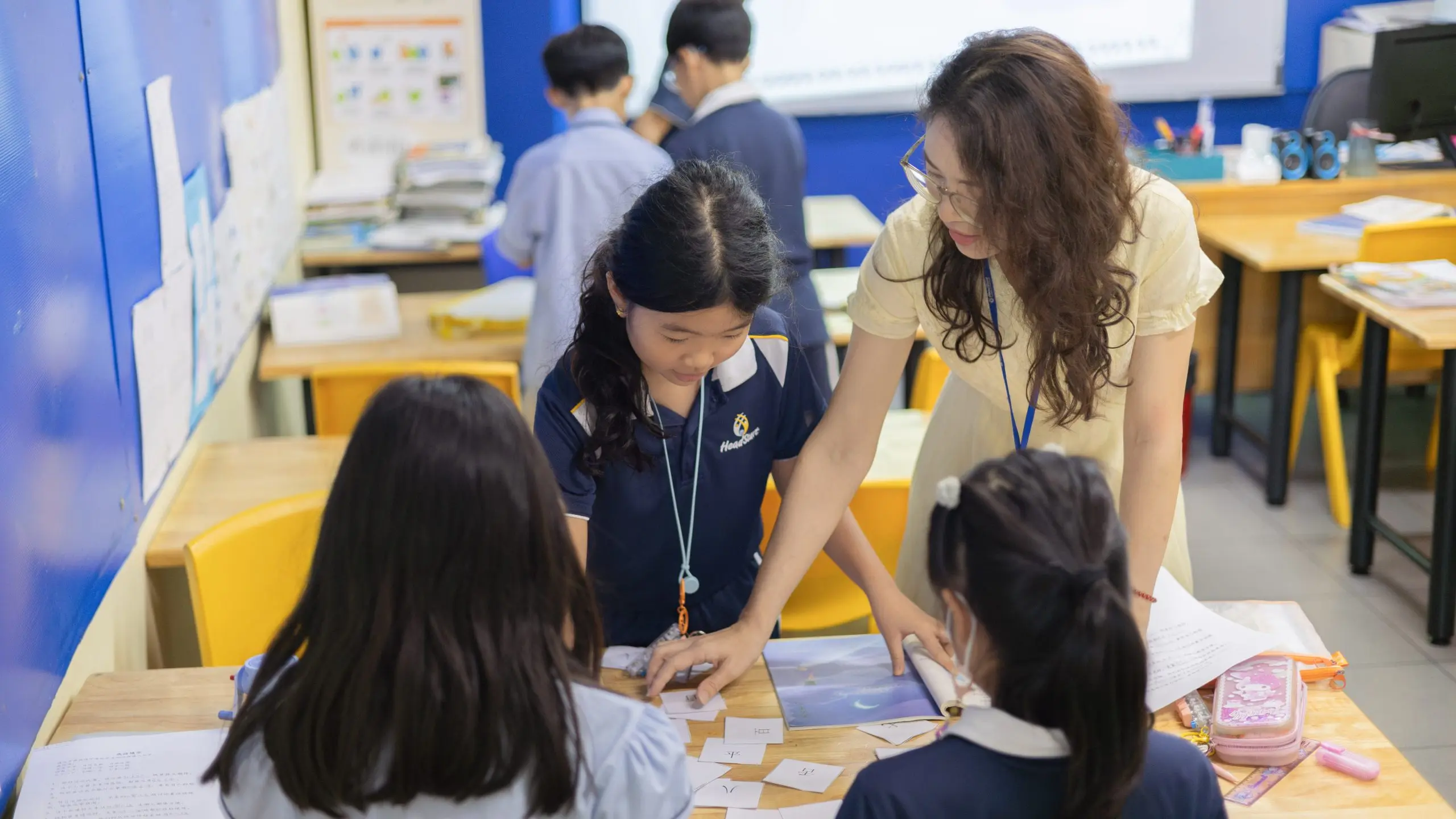
Languages & Communication
Reflecting our vibrant international community, we offer robust language pathways that combine native and foreign languages, including Thai, Mandarin, French, and Russian, with structured English (EAL) support. We ensure every child builds rapid fluency, strong decoding skills, and exceptional confidence in multilingual communication.

Sports, Fitness and Teamwork
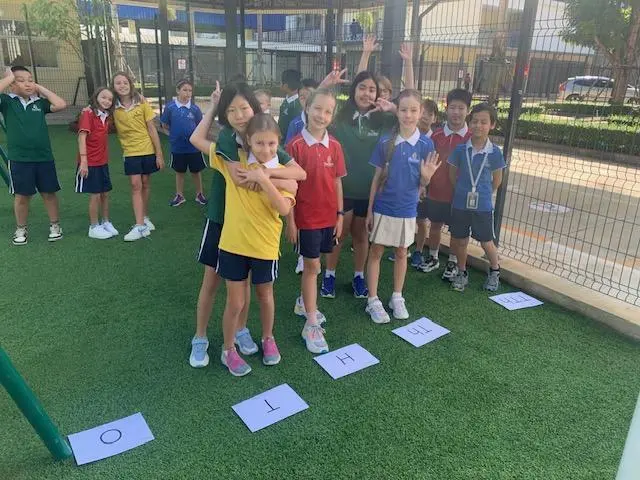
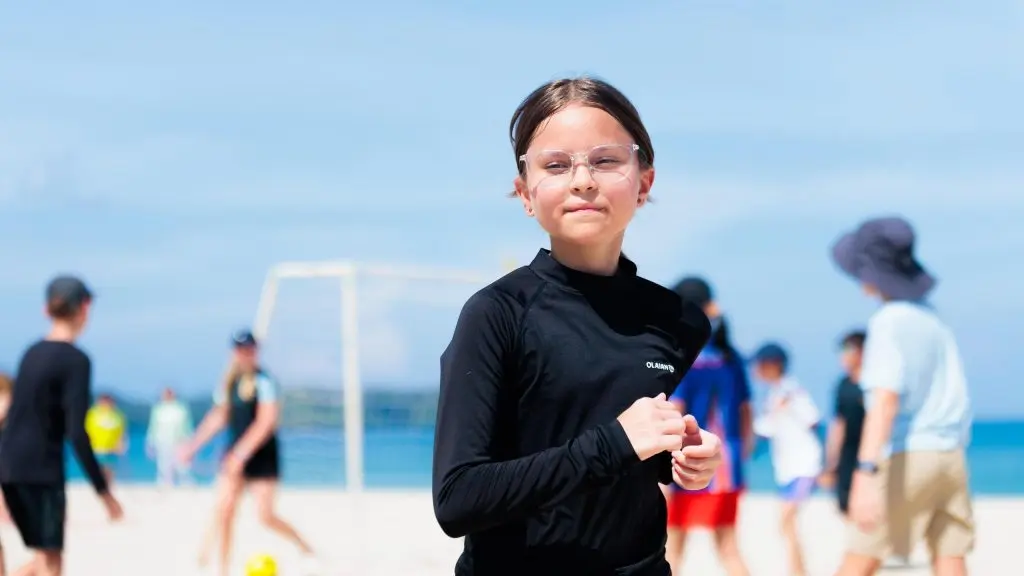
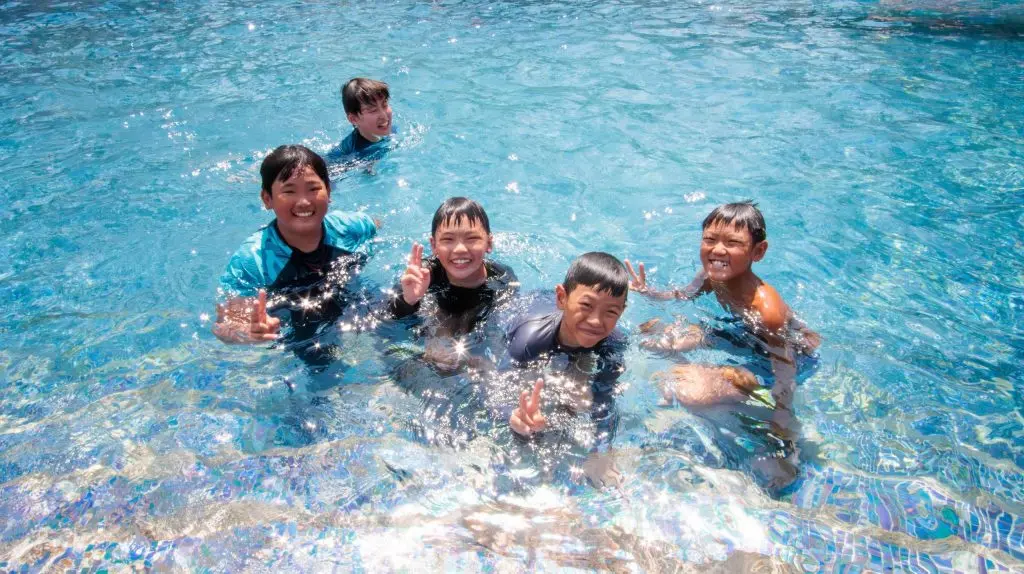
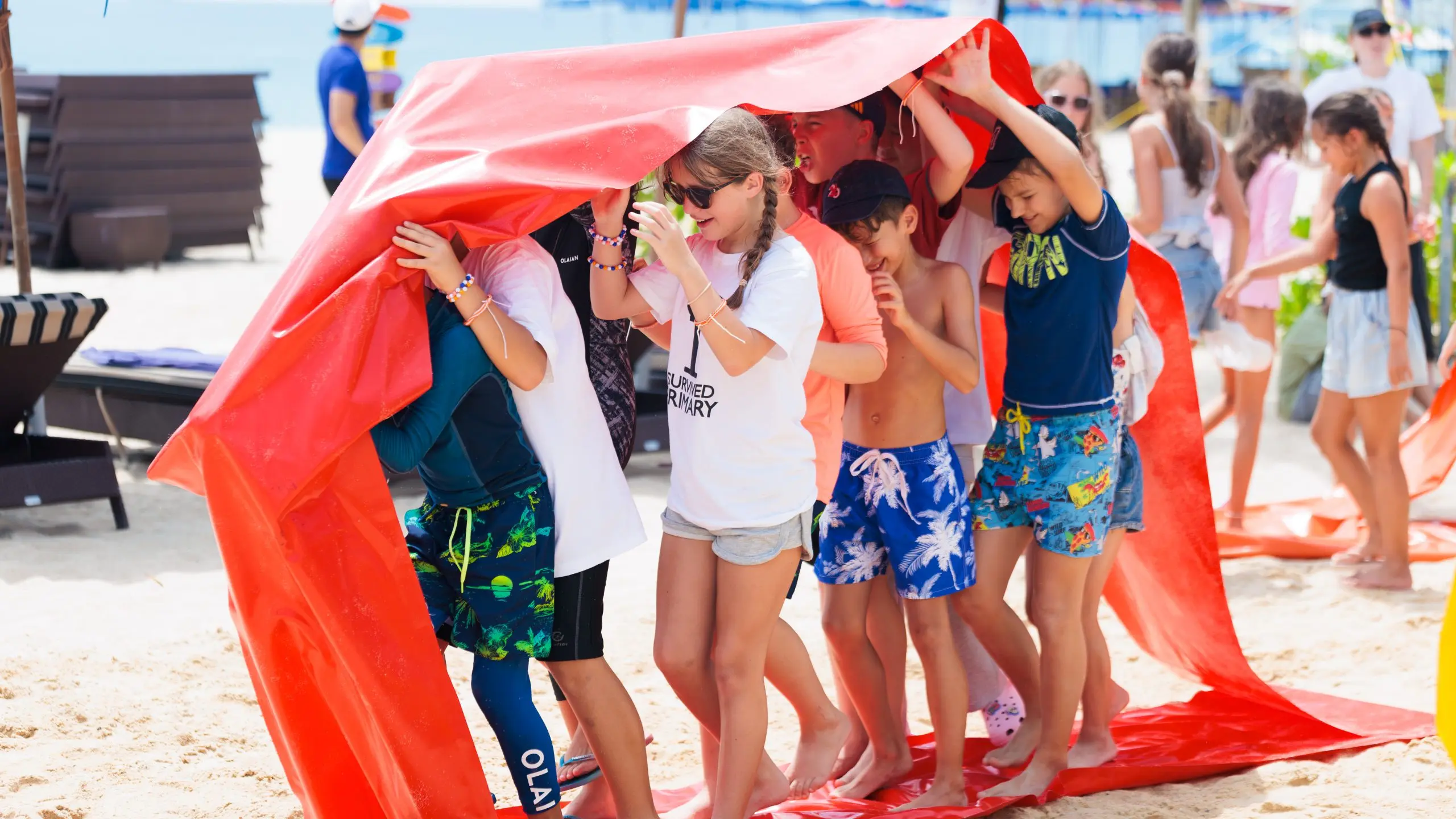
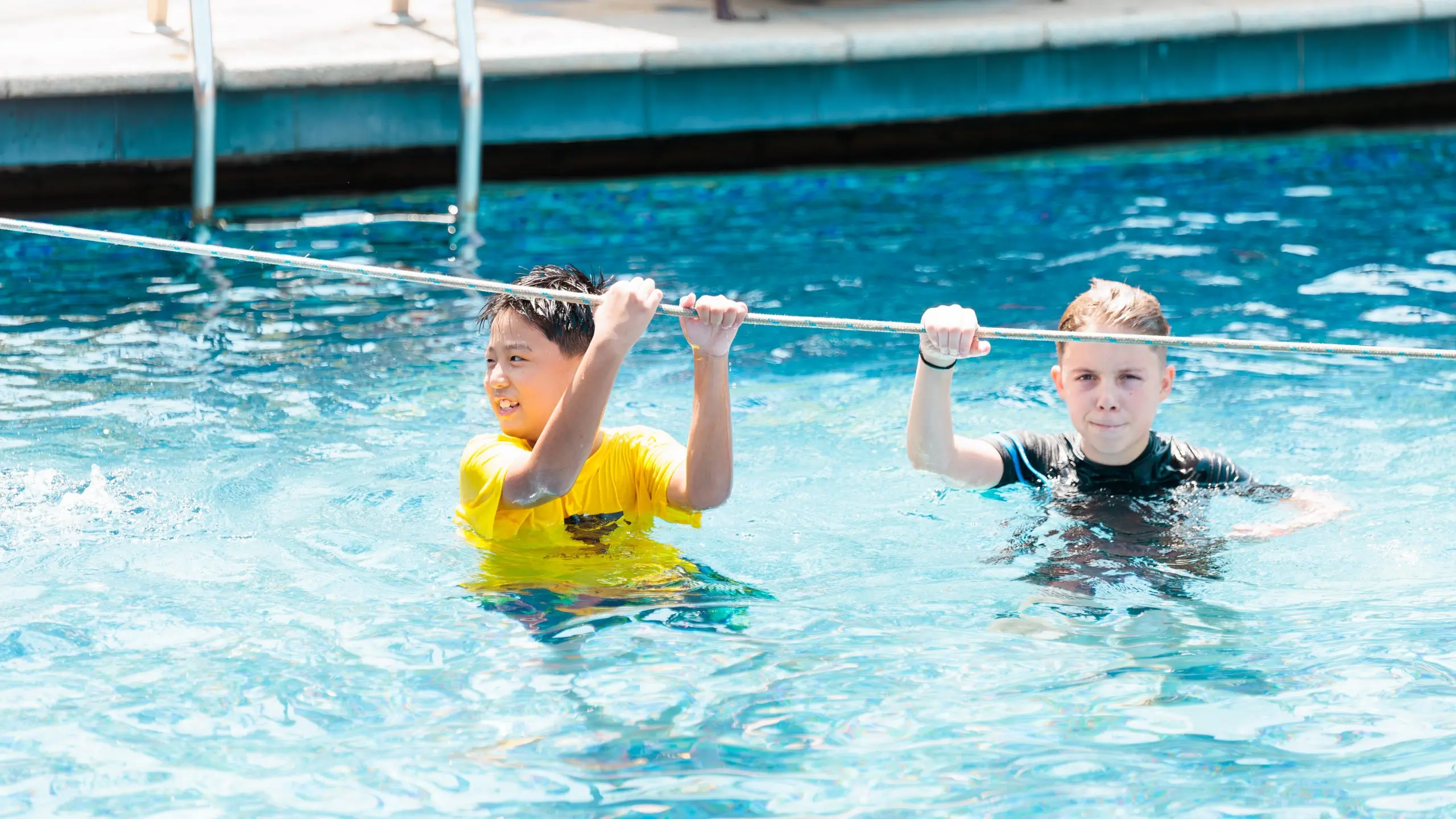
Active bodies build active minds in our incredible sports facilities. Through a rewarding program of weekly swimming at our full-sized swimming pools, expert-led sports academies, and dynamic PE lessons, your child will collaborate with friends, cultivate vital team spirit, and thrive in a fun, highly supportive setting.
Adventures in Learning
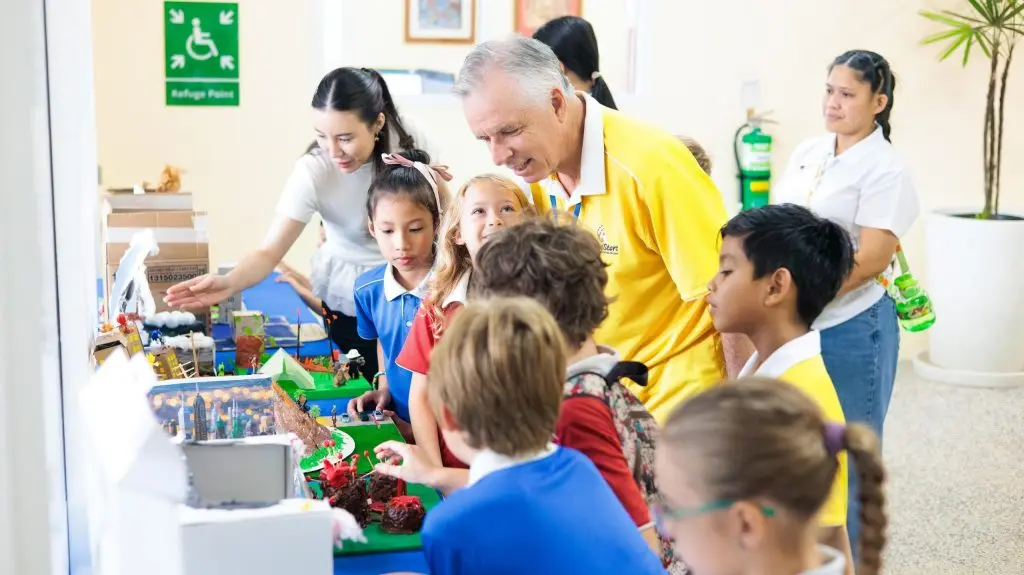
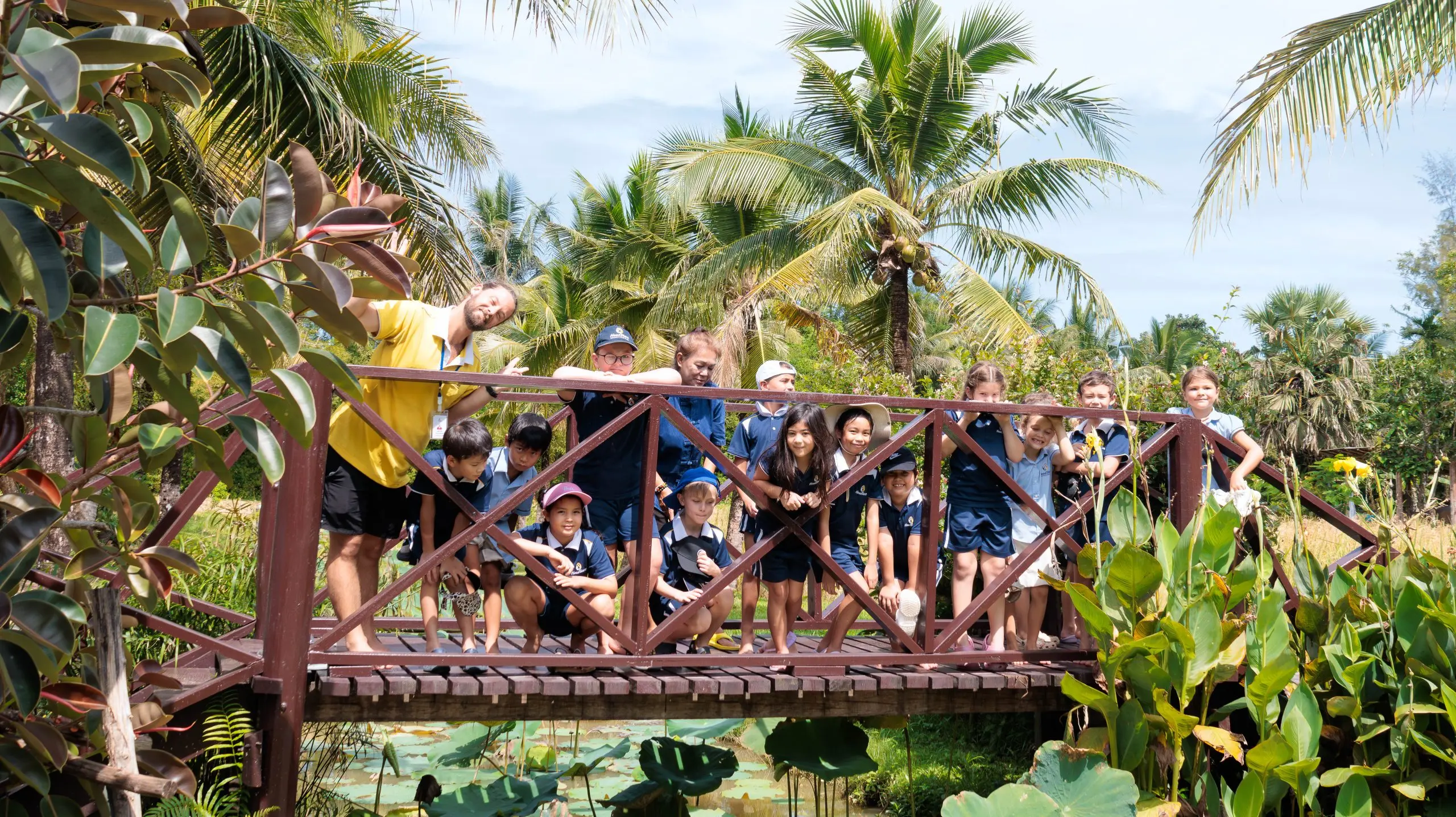
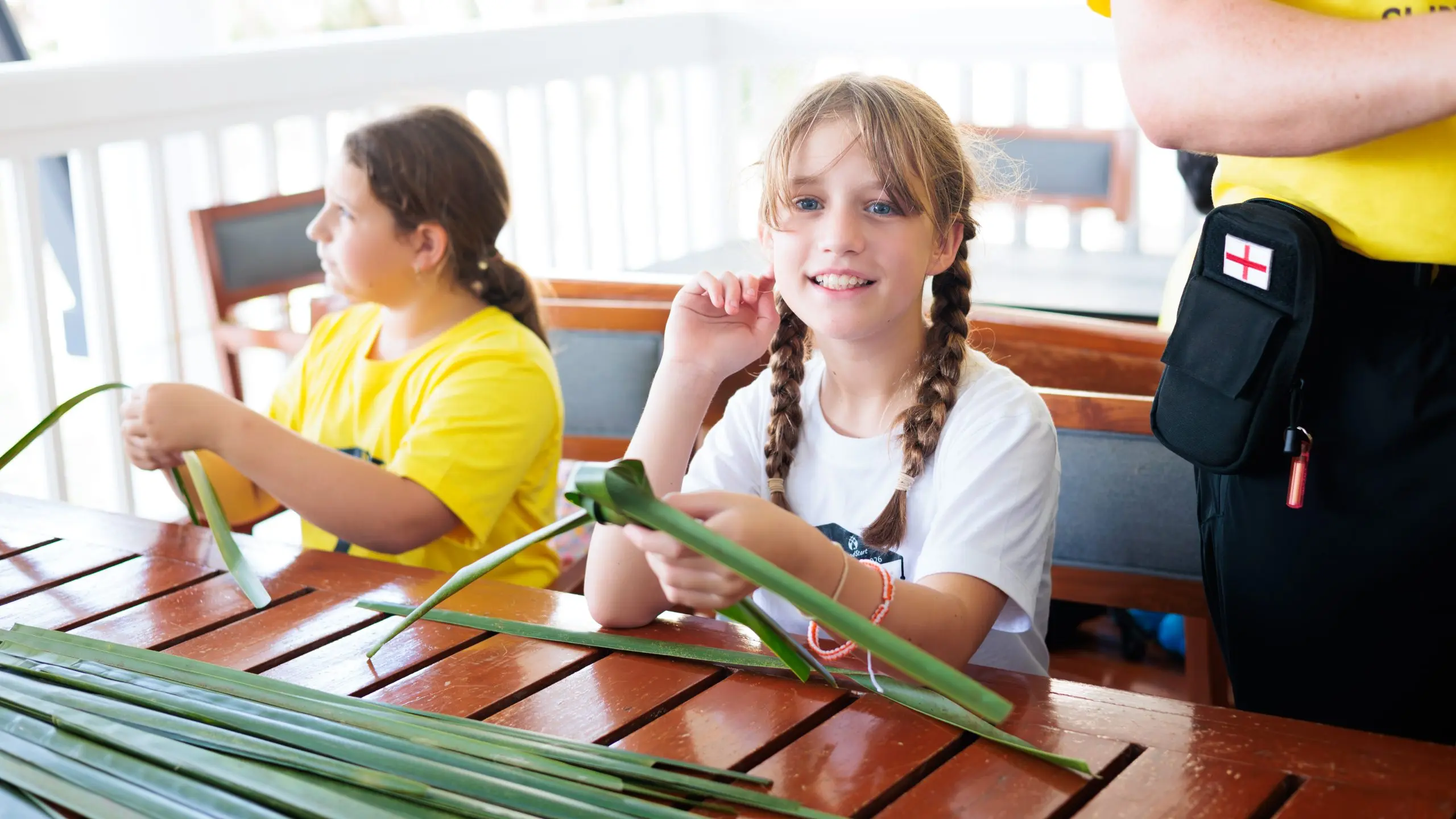
Education at HeadStart is an active adventure filled with local excursions, overnight trips, and vibrant extracurricular clubs. By hosting guest speakers, creative workshops, and interactive community visits, we provide a rich, multi-dimensional school life where every day brings a new discovery.
Curriculum Overview
In Primary, we follow the English National Curriculum, providing a broad and balanced education that builds strong foundations in knowledge, skills and understanding.
Our curriculum is carefully enriched and adapted to reflect our international context and the diverse identities and experiences of our pupils. While maintaining the expectations and progression of the English National Curriculum, we ensure learning is relevant, engaging and meaningful for the children we teach.
Through high-quality teaching and a wide range of learning experiences, pupils are encouraged to explore ideas, ask questions, think critically and apply their learning in different contexts. As they progress through Primary, they build increasingly secure knowledge and develop the confidence and independence needed to become successful learners.
Our HeadStart Learner Attributes are woven throughout the curriculum and wider school life, helping children develop positive attitudes to learning, strong relationships with others and the personal qualities they need to flourish.
We want children to achieve academically while developing a genuine curiosity and love of learning. Our aim is to nurture knowledgeable, thoughtful and well-rounded young people who are confident in themselves, respectful of others and well prepared to thrive in an increasingly interconnected world.
Communication and Language
Speaking, understanding, listening and attention make up this area of development. At HeadStart we have a wealth of languages and cultural backgrounds. Children will be taught in English, thus supporting their English language skills. At HeadStart children will be developing and learning in a language rich environment with teachers modelling and teaching language through play. This area is also supported by the Department for Education UK Letters and Sounds programme. For many children English is not their first language, opportunity to speak in their mother tongue with their peers will not be discouraged. At HeadStart we believe that in order to develop an additional language, early years children must have a secure first language to attach it to.
| Listening, Attention and Understanding (Early Learning Goal) | Speaking (Early Learning Goal) |
|---|---|
| Listen attentively and respond to what they hear with relevant questions, comments and actions when being read to and during whole class discussions and small group interactions; | Participate in small group, class and one-to-one discussions, offering their own ideas, using recently introduced vocabulary; |
| Make comments about what they have heard and ask questions to clarify their understanding; | Offer explanations for why things might happen, making use of recently introduced vocabulary from stories, non-fiction, rhymes and poems when appropriate; |
| Hold conversation when engaged in back-and-forth exchanges with their teacher and peers. | Express their ideas and feelings about their experiences using full sentences, including use of past, present and future tenses and making use of Conjunctions, with modelling and support from their teacher. |
Personal, Social and Emotional Development
In order for children to become confident, social members of society and resilient learners they must be supported in their ability to make relationships, manage their feelings and behaviour and develop their self confidence and self-esteem. Children will learn together in an environment that supports them holistically. Your child's teachers will support all aspects of this area through play, discussion and by being good role models themselves. Children will learn to resolve conflicts, be assertive and have the confidence to follow their talents. As well as becoming resilient young people, your child will be supported in making positive relationships with their peers and adults within the school.
| Self Regulation (Early Learning Goal) | Managing Self (Early Learning Goal) | Building Relationships (Early Learning Goal) |
|---|---|---|
| Show an understanding of their own feelings and those of others, and begin to regulate their behaviour accordingly; | Be confident to try new activities and show independence, resilience and perseverance in the face of challenge; | Work and play cooperatively and take turns with others; |
| Set and work towards simple goals, being able to wait for what they want and control their immediate impulses when appropriate; | Explain the reasons for rules, know right from wrong and try to behave accordingly; | Form positive attachments to adults and friendships with peers; |
| Give focused attention to what the teacher says, responding appropriately even when engaged in activity, and show an ability to follow instructions involving several ideas or actions. | Manage their own basic hygiene and personal needs, including dressing, going to the toilet and understanding the importance of healthy food choices. | Show sensitivity to their own and to others' needs. |
Physical Development
Moving and handling covers both large and fine motor skills. Your child will receive Physical Education (PE) lessons delivered by dedicated PE teachers as well as swimming lessons during their time at HeadStart, supporting their ever developing large motor skills. We aim to inspire children to enjoy physical activity, something that is extremely important to life-long well-being. Fine motor skills include the ability to use tools, write, fasten zips and buttons. Whilst with their homeroom teacher your child will be subjected to various activities to promote these skills. Additionally to physical skill, your child will become aware of how to be safe and healthy. Children will discover the importance and health benefits of food, exercise and sleep as well as how to support themselves independently with dressing and taking care of their personal hygiene.
| Gross Motor Skills (Early Learning Goal) | Fine Motor Skills (Early Learning Goal) |
|---|---|
| Negotiate space and obstacles safely, with consideration for themselves and others; | Hold a pencil effectively in preparation for fluent writing - using the tripod grip in almost all cases; |
| Demonstrate strength, balance and coordination when playing; | Use a range of small tools, including scissors, paint brushes and cutlery; |
| Move energetically, such as running, jumping, dancing, hopping, skipping and climbing. | Begin to show accuracy and care when drawing. |
Thai Language and Culture Lessons
Thai Language and Culture lessons are offered to all Foundation classes. Children receive five Thai lessons per week, each lasting 30 minutes.
Children study either Thai as a first language or Thai as a Foreign Language. This enables students to learn at the correct level. Thai students are expected to stay on par with their fellow Thai counterparts, following the Thai National Curriculum for Language and Culture.
Literacy
Literacy activities will promote your child's ability to read and write. Phonics will be delivered through the Little Wandle Programme as well as activities planned by our creative and experienced teachers to support their writing and understanding of written information. Children will have access books, text in the environment and be provided with a writing area to practice their writing skills.
| Comprehension (Early Learning Goal) | Word Reading (Early Learning Goal) | Writing (Early Learning Goal) |
|---|---|---|
| Demonstrate understanding of what has been read to them by retelling stories and narratives using their own words and recently introduced vocabulary; | Say a sound for each letter in the alphabet and at least 10 digraphs; | Write recognisable letters, most of which are correctly formed; |
| Anticipate - where appropriate - key events in stories; | Read words consistent with their phonic knowledge by sound-blending; | Spell words by identifying sounds in them and representing the sounds with a letter or letters; |
| Use and understand recently introduced vocabulary during discussions about stories, non-fiction, rhymes and poems and during role-play. | Read aloud simple sentences and books that are consistent with their phonic knowledge, including some common exception words. | Write simple phrases and sentences that can be read by others. |
Phonics
At HeadStart we believe that for all our children to become fluent readers and writers, phonics must be taught through a systematic and structured phonics programme. We use the Little Wandle Letters and Sounds Revised to plan and provide daily engaging phonics lessons. In phonics, we teach children that the letters of the alphabet represent a different sound, that these can be used in a variety of combinations and are put together to make words. The children learn to recognise all of the different sounds and combinations that they might see when they are reading or writing.
Our phonics teaching starts in Early Years and follows a very specific sequence that allows our children to build on their previous phonic knowledge and master specific phonic strategies as they move through school. As a result, all our children are able to tackle any unfamiliar words that they might discover. At HeadStart we also model these strategies in shared reading and writing both inside and outside of the phonics lesson and across the curriculum. We have a strong focus on the development of language skills for our children because we know that speaking and listening are crucial skills for reading and writing in all subjects.
Reading
All students in Early Years and Reception will learn to read by using the Little Wandle phonics program.
Children in Reception will have access to Bug Club each week once this is appropriate, and are expected to read at least twice a week.
Bug Club
Bug Club is an online, leveled reading program. It provides books and activities at your child’s reading level. Your child’s homeroom teacher will provide you with more information about Bug Club.
Mathematics
Divided in to two areas; Number and Numerical Patterns children will learn to count, think about and begin solving basic mathematical equations and develop an understanding of how shape, space and measurement is used throughout daily life and in the environment. Teachers will use a range of resources and well thought out activities as well as the Reception White Rose Maths scheme.
| Number (Early Learning Goal) | Numerical Patterns (Early Learning Goal) |
|---|---|
| Have a deep understanding of number to 10, including the composition of each number; | Verbally count beyond 20, recognising the pattern of the counting system; |
| Subitise (recognise quantities without counting) up to 5; | Compare quantities up to 10 in different contexts, recognising when one quantity is greater than, less than or the same as the other quantity; |
| Automatically recall (without reference to rhymes, counting or other aids) number bonds up to 5 (including subtraction facts) and some number bonds to 10, including double facts. | Explore and represent patterns within numbers up to 10, including evens and odds, double facts and how quantities can be distributed equally. |
Understanding the World
This area of development covers Past and Present, People, Culture and Communities, The Natural World. Children will be provided with activities to support their learning such as the opportunity to use Information and Communication Technology (ICT), get messy with experimental play and going out to explore their environment; discussing what they can see. Throughout the year topics such as 'people who help us' will provide children with knowledge about our wider community. Children are also encouraged to share experiences that they have with their families, for example 'stay and plays' and trips to the aquarium or the Elephant sanctuary.
| Past and Present (Early Learning Goal) | People, Culture and Communities (Early Learning Goal) | The Natural World (Early Learning Goal) |
|---|---|---|
| Talk about the lives of the people around them and their roles in society; | Describe their immediate environment using knowledge from observation, discussion, stories, non-fiction texts and maps; | Explore the natural world around them, making observations and drawing pictures of animals and plants; |
| Know some similarities and differences between things in the past and now, drawing on their experiences and what has been read in class; | Know some similarities and differences between different religious and cultural communities in this country, drawing on their experiences and what has been read in class; | Know some similarities and differences between the natural world around them and contrasting environments, drawing on their experiences and what has been read in class; |
| Understand the past through settings, characters and events encountered in books read in class and storytelling. | Explain some similarities and differences between life in this country and life in other countries, drawing on knowledge from stories, non-fiction texts and - when appropriate - maps. | Understand some important processes and changes in the natural world around them, including the seasons and changing states of matter. |
Expressive Arts and Design
Imaginative play is crucial to allow children to practice and act out what they have learnt and observed. Children will be encouraged through resources to design their own role play with their peers, thus supporting their ability to make relationships. Tiny Creative and Performing Arts (CAPA) sessions delivered by dedicated teachers will give children access to expressive arts and design classes throughout the week. Children will be given opportunities to explore colour, make their own creations, follow instructions, sing and play instruments in order to express themselves and develop talent.
| Creating Materials (Early Learning Goal) | Being Imaginative and Expressive (Early Learning Goal) |
|---|---|
| Safely use and explore a variety of materials, tools and techniques, experimenting with colour, design, texture, form and function; | Invent, adapt and recount narratives and stories with peers and their teacher; |
| Share their creations, explaining the process they have used; | Sing a range of well-known nursery rhymes and songs; |
| Make use of props and materials when role playing characters in narratives and stories. | Perform songs, rhymes, poems and stories with others, and - when appropriate - try to move in time with music. |
Continuous Provision
You will have noticed on your child's timetable that there are many periods that say 'continuous provision'. This document aims to support a better understanding of what it is and why it is important.
Why is continuous provision important?
Effective continuous provision should provide children with the opportunity to demonstrate the characteristics of effective teaching and learning identified by the Early Years Foundation Stage (EYFS). For example, in the construction area, children may independently investigate how high they can build a tower by using wooden blocks. Trying to arrange the blocks in different ways, or testing if they can add any other construction materials to their tower to make it sturdier demonstrates aspects of both playing and exploring. Continuous provision also enables children to return to their explorations and consolidate their learning over the course of a day or a more extended period. When children do this, they can explore what happens to things as they change over time and make changes to explore new ideas. Continuous provision also allows children to make choices and initiate play without interaction with an adult.
What does effective continuous provision look like?
All seven areas of Learning and Development can be developed through continuous provision.
- Dedicated areas of the room will have a specific area of learning in mind, such as Literacy, Maths, and Understanding the World.
- Each area has the necessary resources to encourage children to play and explore in a variety of ways.
- A range of resources are offered that will act as a good starting point for the children's explorations.
- Open-ended questioning is used to engage the children in conversations and prompt their creative thinking.
What do the teachers do?
The teacher's role is crucial. Combined with a high-quality environment, teachers support your children's ability to interact with the resources. When children engage with continuous provision, teachers take the opportunity to have quality interactions with the children and make observations, which are key to assessment and planning of next steps for children.
Creating a continuous provision environment also means that teachers establish clear rules, boundaries and behavioural expectations. Once children are clear about the rules and what's expected, they will then be able to carry out their explorations with independence and confidence. If children do not know their boundaries, then they will often return to 'familiar' play, which is less challenging. In these instances, teachers, deputy teachers and nannies will help to encourage children to extend their play.
Continuous provision supports language development. Through modelling and quality interactions teachers are able to provide language rich environments. Through this, strong relationships are made with the children. This communication gives children the opportunity to ask questions and make suggestions, extending the children's learning even further.
Observation, Assessment and Reporting
Learning and Development progress will be documented through regular observations, evidence such as photographs or copies of children's work. Observation and evidence will be linked to the Early Years Foundation Stage (EYFS) development matters; part of the EYFS that sets out the milestones children should achieve by certain ages. At HeadStart we understand that some children may be meeting these stages in their home language, however the assessment is carried out in English. Throughout the year, children will have 2 reports and 3 parent teacher conferences.
Tapestry
HeadStart are now using Tapestry as our online learning journal provider. Tapestry allows you to login with a secure username and password so you can view all your children's observations, photographs and videos. It's also possible for you to be notified via email either immediately, daily or weekly if there are new entries for you to view. All data that is entered to Tapestry is stored securely on their servers. If you are interested in finding out more information about this, you can go to https://tapestry.info/security.
WellComm
At HeadStart we use WellComm to support the Speech and Language development of our children. This toolkit supports the Screening and Intervention in the Early Years: Revised Edition and plays a crucial role in identifying children with potential language difficulties. WellComm offers a range of customised intervention activities to help support their language development.
Homework
At HeadStart International School we recognise the differing developmental stages of children. As we appreciate that children learn through play, your child's Foundation Homeroom teacher will make suggestions as to how you could further your child’s learning at home. Our expectation is that you will provide opportunities for real life experiences and enjoy your child's younger years with them, playing, exploring, and communicating together.
Morning Drop-Off
Student safety is the highest priority at HeadStart International School. Therefore, we make every effort to ensure that all students are under appropriate supervision at the beginning and end of each day.
We urge all parents to drop off and collect their child at the correct times, as children can feel confused and apprehensive when they are late or not picked up on time.
Homerooms are open from 7.45 am and parents can drop children off from this time. Registration is from 8.00 am to 8.20 am for Reception and 8.00 am - 8:30 am for Preschool and Early Years. Please ensure they are not late for registration. Any child arriving later than 8:20 am will be marked as ‘late’ on the school registration system. Reminders will be sent home to parents if children are continually late for school.
The Foundation gates close at 8.30 am. This is to ensure the safety of all children on the move for lessons at this time. If you arrive later than 8.30 am, you should go to the main office where a member of our team will register your child, and escort your child to their Homeroom.
Any forgotten items required for school (swimming kits, snacks, water bottles) can be left in the school office. These items will be taken to class by a member of the office team.
Students Leaving the School Premises Policy
Starting at 2.20 pm between Monday and Friday, children are to be picked up by their parents from their classrooms and signed out. If your child is attending Enrichment Sessions, then your child should be collected at 3.20 pm.
We ask all parents to collect their child promptly, to save them from any distress or confusion.
At 4:20 pm (or 4:00 pm on Fridays) your child will be escorted to the Dining Hall to await collection. This is our late pick-up provision.
If your child has not been collected by 4:40 pm (or 4:20 pm on Fridays) a late pick-up fee of 300 THB will be charged to you by invoice.
Alternative Pick-Up Arrangements
If you cannot come to pick up your child, an email should be sent to the office notifying our staff that a person other than you will be picking up your child. The email must include a picture or ID of the replacement person.
| Campus | Office Email |
|---|---|
| Chaofah City Campus | [email protected] |
| Cherngtalay Campus | [email protected] |
A Secondary sibling may also be granted permission to pick up your child. Secondary students may pick up a younger sibling in the Early Years to Year 6 classes provided you as a parent, have given written permission. Written permission can be given by filling out a form which can be collected from the main school admin office. The completed form should be returned to the main school admin office.
Once permission has been granted, a small slip of paper will be inserted into your older child's access card alerting staff to the fact that they are allowed to take their sibling(s) off the school premises after school.
Please be reminded that Foundation and/or Primary pupils collected by a Secondary sibling must be supervised by the Secondary sibling and should not be left unsupervised at any time.
Food Services
Snacks
HeadStart provides milk and a snack for all Foundation students during their morning break. We would like to encourage parents to send their children to school with only healthy snack options. Snacks are quite often shared between friends and we don’t want to have students eating snacks at school that they aren’t allowed to eat from their own parents. Therefore, if a student brings unhealthy snacks, for example, candy, cake or chips/crisps to school the teacher will put them back into school bags and they can be taken home.
Lunch
We believe that a healthy balanced diet is the foundation of a successful academic life. We therefore strive to serve natural, low-sugar-and-salt meals with the freshest possible local produce. Students are served a healthy snack in the morning break, lunch at midday followed by milk in the mid-afternoon snack. School lunches are compulsory for all pupils, unless there are special dietary requirements for medical, religious or cultural reasons that the school cannot provide. In such cases permission to bring their own lunches to school must be sought from the Head of School (please send a letter and any supporting documentation i.e. medical certificate).
When you register your child please specify their dietary requirements. Your child’s homeroom teacher will be overseeing lunch and can keep an eye on these requirements if necessary.
School lunches and snacks may contain trace amounts of allergens not specifically listed on the menu, menu cards, or ingredient information. If your child has severe allergies or specific dietary requirements, we recommend preparing their food at home and sending them to school with a packed lunch and snack box.
A copy of the school’s lunch menu is available at the school’s website as well as in the school’s admissions office. Lunch always has a Western option, an Asian option and a Vegetarian option.
The Food Service Committee
The Food Committee at HeadStart is a group of people who represent HeadStart's community: students, teachers, parents and professionals. They meet once at the end of each school term to discuss any important questions, suggestions or complaints. They make decisions together with the Head Chef, about the menu and quality of the food service, as well as make suggestions to the Senior Management Team.
To contact the Food Service Committee, you can email [email protected]
Swimming and Physical Education (PE)
At HeadStart, we encourage swimming from the earliest class. Living on an island, we believe that swimming is a life skill in which all children require. During rainy season, the PE department will decide if it is too cold to swim and will make alternative PE arrangements. However, throughout rainy season, please continue to dress or provide a swimsuit for your child on the scheduled day just in case. As swimming is part of our curriculum, it is expected that all children take part. If your child is too ill to swim, they should not be in school, or a medical certificate from the doctor needs to be provided to the Homeroom teacher. If a child is not swimming, the parent must inform the homeroom teacher via email as soon as possible.
Medical Conditions for non-participation in Swimming
Children may sometimes have to avoid swimming due to a medical condition. These cases must be discussed on a one-to-one basis, depending on doctors' advice and the severity of the condition.
Medical certificates must be shown to the teaching staff for non-participation. We encourage all parents who wish for their children not to take part in swimming lessons due to ill health, to discuss this with the Deputy Head of Foundation as soon as possible so alternative support strategies and care plans can be discussed with the teacher and PE staff.
For Health and Safety reasons, children who are not swimming are not permitted to wait in the Nurse's Room. Non-swimming students are encouraged to still take part in the swimming lessons, by observing from the side, looking at techniques, and interacting with the PE staff.
Safeguarding & Security
Safeguarding at HeadStart
At HeadStart International, the safety and well-being of every child in our care is our highest priority and everyones responsibility. We are committed to providing a secure, supportive environment where children feel valued and protected. Safeguarding is integral to everything we do and is at the heart of our school ethos.
Our safeguarding policies and procedures are in place to ensure that children are safe, supported, and able to thrive. All staff are trained in child protection and recognise their responsibility to identify and respond to any concerns about a child’s welfare.
We work in partnership with parents, carers, and external agencies to promote the physical, emotional, and social well-being of all children. If you have any concerns, our Designated Safeguarding Lead, Annie Cusworth is available to offer support and guidance. Together, we can ensure that every child is safe, happy, and empowered to learn.
Security
All parents collecting their children from school should have a security pass which is available from the administration office. Parents may also nominate a responsible adult to pick their children up on their behalf. They should also have a security pass.
If you are unable to collect your child and you have arranged for someone else to collect them, you must inform the School Administration Office and include a photograph of that person or a copy of their identity card. Failure to do so will result in us phoning you in order to receive confirmation before we will allow your child to leave the school premises.
Conduct & Discipline
Code of Conduct
- As a visitor please sign in and go to the school office where a member of our admin staff will assist you.
- Please do not interfere with the operation of classroom lessons.
- Please do not take photographs of children when visiting the school.
- Please do not use language that offends.
- Please do not threaten, harm, or use physical aggression to another adult or child; this includes approaching someone else’s child to chastise them.
- Please use designated adult toilets on the ground floor.
Parent Conduct
We pride ourselves on being a community school where all stakeholders are treated with politeness, courtesy and dignity. In order to achieve this, it is important that all members of our community, whether staff, students or parents treat each other with respect, and that all interactions are handled calmly.
As an international school, we do not tolerate any form of abuse between members of our community, whether verbal or physical, and whether in person or online.
Student behaviour policies and staff discipline policies address issues where students or staff conduct falls below our expectations. In the case where parents' conduct fails to meet these reasonable expectations, the school reserves the right to issue warnings to parents regarding their conduct, or impose sanctions on parents which may include preventing them from entering the school facilities.
- Where a parent is verbally aggressive to another member of the community, they may be banned from the school site for up to one term.
- Where verbal aggression is repeated on more than multiple occasions, the parent may be banned from the school site for up to one year.
- Where they are physically aggressive towards another member of the community, they may be banned from the school site for up to one year.
- Where the action is against a student, these sanctions may be increased, and reported to relevant authorities.
The Positive Behaviour Policy
HeadStart International School has a strict policy of no corporal punishment. Our aim is that every member of the school community feels valued and respected and that each child is treated fairly. We do this by providing a safe and motivating learning environment where all children are cared for individually. Teachers in Foundation use praise and positive reinforcement to encourage appropriate behaviour. Students are given multiple opportunities to think, decide and act responsibly.
Our Foundation school values are:
- Always do your best
- Use kind words
- Take care of the world around you
- Walk quietly around the school
- Keep your hands and feet to yourself
- Listen to your teachers and each other
- Keep the school bully-free
- Use good manners
- Have fun and be safe
- Respect each other’s’ differences
When hurtful behaviour becomes problematic, the teachers will work with parents to identify the cause and find a solution together. The main reasons for very young children to engage in excessive hurtful behaviour are:
- They do not feel securely attached to someone who can interpret and meet their needs
- Adults not responding appropriately to a child’s needs, this will lead to negative behaviour
- Negative patterns may develop if hurtful behaviour is the only response the child has to express feelings of anger
- The child is exposed to levels of aggressive behaviour at home and may be at risk emotionally,
- The child may be experiencing child abuse at home
- The child has a developmental condition that affects how they behave
Stage
Incident
Sanction
1
Low-level disruption
- Not responding to warning
- Not following instructions
- Distracting others
- Interrupting teachers
- Being disrespectful towards others
- Using unkind words towards others (first instance)
- Time out from the session may be given (e.g. PE lessons)
- Lose 5 minutes of break/lunch time
Teacher records on Engage.
Parent signs incident form.
- Repeated offenders may face behaviour plan (HT/Deputy Head (Foundation) discretion)
2
Continued low-level disruption
- Not responding to level 1 sanction
- Swearing/bad language/inappropriate gestures
- Engaging in inappropriate play, including play fighting
- Repeated use of unkind words towards others despite previous warning
- Hiding belongings
- Removed to another classroom
- Miss 10 minutes break/lunch time
Teacher records on Engage and homeroom teacher emails parents at the end of the day.
Parent signs incident form.
Specialist teachers should record on Engage, and compose a complete email, which will be sent to parents. The specialist teacher will email this to homeroom teachers who will then forward it to the parent(s).
- Repeated offenders may face behaviour plan (HT/Deputy Head (Foundation) discretion)
3
Violence to others or property, including other students work
- Theft
- Racism
- Bullying
- Inappropriate references of a sexual nature
- Inappropriate displays of affection
- Possessing dangerous items or weapons
- Possessing or accessing pornographic material
- Using, possessing or distributing tobacco, alcohol or other chemical substances while on school premises, field trips, in school uniform or any other instance that places the school in disrepute.
- Miss whole break/lunch time
- Parents to replace damaged property
Teacher records on Engage and homeroom teacher emails parents at the end of the day.
Parent signs incident form.
Specialist teachers should record on Engage, and compose a complete email which will be sent to parents. The specialist teacher will email this to homeroom teachers who will then forward it to the parent(s).
Repeated instances of Level 3 behaviours:
Teacher records on Engage
Parent signs incident form.
Parents are invited to a meeting with homeroom teacher and Head and/or designated Deputy Head
- External exclusion – 10 day report on return to school ( see below)
- Return to school meeting with parents (HT/ designated DHT)
- Any further exclusions may increase in length from one day exclusions to three days, to up to 10 days
- Repeated offenders/pupil exhibiting severe behaviour may face permanent exclusion
Daily Behaviour Reporting
After continuing issues with any student who has been disruptive to the teaching and learning process at the school, the management has the option to put the student on a two-week daily reporting process.
The report is designed to focus the student on improvement in each and every lesson and is usually put into place upon return from a school exclusion.
The student will report to the Head or designated Deputy Head at the start and the end of the school day, every day, with the sheet correctly filled out by teachers and parents. Failing to do this will be a breach of the contract.
The daily behaviour report must be signed daily by the parent and the Head or designated Deputy Head.
If the student completes the two-week report successfully, then they will be taken off report. If there are any lapses during the two weeks, they will be excluded and they will be required to complete a further two week report period upon return from the exclusion.
If the student completes this second two week report successfully, they will be taken off report. If there are lapses during the second two week report then the student will be required to complete a third, and final, two week report period. This third daily behaviour report is usually preceded by a school exclusion.
After successful completion of the third reporting period, the student will be taken off the reporting system.
Any further lapse will be considered as a breach of student /school contract.
During the reporting periods, any misconduct in the lessons will be considered a breach of the contract. The student will be immediately referred back to the Head or designated Deputy Head for further sanctions. Any breach of the contract will be considered on a case by case basis and sanctions can include exclusion from the school.
The final decision regarding the permanent exclusion of any student from HeadStart, will be made by the School Board. It is to be clearly understood by all parties that being placed on report is a final warning. No further warnings will be issued.
Uniform & Equipment
School Uniform
- Preschool students do not need to wear a school uniform at HeadStart.
- Early Years and Reception students should wear the appropriate uniform daily.
- Parents should ensure that their child is appropriately dressed for school.
- As children grow, new uniforms should be purchased to ensure a correct fit.
- School uniforms can be purchased from the school shop.
Uniform for Foundation girls
The standard uniform for girls is a white blouse and a dark blue pinafore dress with the HeadStart logo. White ankle length socks. Students must not wear sandals or flip flops to school.
Sports kit for Foundation girls
The standard sports kit for girls is a dark blue cotton polo shirt with HeadStart logo, white knee length shorts, white ankle length socks and running shoes.
Uniform for Foundation boys
The standard uniform for boys is a blue cotton shirt with HeadStart logo, beige knee length shorts and ankle length socks. Students may not wear sandals or flip flops to school.
Sports kit for Foundation boys
The standard sports kit for boys is a dark blue cotton polo shirt with HeadStart logo, white knee length shorts, white ankle length socks, and running shoes.
What to Pack in Your Child’s School Bag
HeadStart is trying to instill organisational skills and responsibility in all students; therefore, we are asking that each student bring the following supplies, which will be stored safely at school.
For Pre School and Early Years
Items to bring at the beginning of each term
- Toothbrush / Toothpaste
- Complete change of clothes (to keep at school in the case of mess or accidents)
Items to bring to school on a Monday morning
- Small pillow / light blanket (Preschool and Early Years only)
- Small towel
- Sun-cream
- Mosquito repellent
Items to bring to school every day
- Complete change of clothes (Uniform for Reception)
- Clean underwear
- Water Bottle
- Sun hat
- Nappies (if necessary)
- Healthy snack (optional)
- Milk for nap time (optional)
- Additional masks. We recommend that you leave a pack of masks in your child’s bag at all times
Items to bring on swimming days
- Preschool and Early Years can wear their swimming suit to school under their clothing. (No bikinis allowed)
- Towel
- Swimming nappies
- Warm clothes for after swimming (optional) No leggings
- Goggles (optional)
- Swimming hat (optional)
- Hair towel (optional)
Items to bring on PE days
- Reception and Early Years can wear their school PE kit on the days they are scheduled to have PE lessons.
- Sun hat
- Sun cream
- Water bottle
- Wear trainers
Important Note: All clothing must be labelled clearly with the child’s name
The Parent Committee
The mission of the Parent Committee of HeadStart International School is to grow and enhance the educational development and social awareness of students.
The Parent Committee (PC) covers aspects of the school that directly involve the scrutiny of the procedures of the school with regards to educational policy, the school’s community links, social events and promotional events for the school . They can be contacted by email at [email protected]
The Parent Committee is managed by parents and hold separate meetings with School Management Team (SMT) representatives.
Any parents interested in joining the committee or wanting more information on the roles and responsibilities of the committee, should email the committee directly or contact our school administration office.
The Parent Committee acts as one of the channels of communication to bring parental concerns to the attention of the school management.
Dates & Contact
Contacting School
Chaofah City Campus
The School Administration Office is open Monday to Friday from 7.30am to 5.00pm, and on Saturday mornings from 9.00am to 12.00 noon.
Tel: +66-7661-2876 | Fax: +66-7661-2877
39/99 Moo 4, Soi Na-Seau 1, Muang Chaofa Road, Tambon Vichit, Amphur Muang, Phuket 83000
Email: [email protected]
Cherngtalay Campus
The School Administration Office is open Monday to Friday from 7.30am to 4.30pm, and on Saturday mornings from 9.00am to 12.00 noon.
Tel: +66-816786466
9/2 Srisoonthorn Road, Tambon Cherngtalay, Thalang, Phuket 83110
Email: [email protected]
Contacting Teaching Staff
Email is the preferred means for all non-urgent contact. Your child’s Homeroom Teacher will provide you with their email address. You may also contact the School Administration Office who can pass on messages.
The School Day
| Time | Preschool | Early Years | Reception |
|---|---|---|---|
| 8.00 – 8.30 am | Homeroom and registration | Homeroom and registration | Homeroom and registration |
| 8.00 – 8.45 am | Interactive settling-in activities | Interactive settling-in activities | Interactive settling-in activities |
| 08.45 – 9.15 am | Circle time and continuous provision | Thai class | Phonics |
| 9.20 – 9.40 am | Thai class | Break/snack | Break/snack |
| 9.40 – 11.30 am | Continuous provision and specialist subjects | Continuous provision and specialist subjects | Continuous provision and specialist subjects |
| 11.00 – 11.30 am | Lunch | ||
| 11.30 – 12.15 pm | Independent skills | Lunch | Lunch |
| 12.15 – 12.45 pm | Nap time | Break time | Thai |
| 12.45 – 1.55 pm | Nap time | Continuous Provision | Continuous Provision |
| 2.00 – 2.20 pm | Storytime, ready for home time | Storytime, ready for home time | Maths and Reading sessions |
| 2.20 – 2.30 pm | Enrichment and ECA | Enrichment and ECA | Enrichment and ECA |
Notes:
- Students should arrive at school with enough time to get to their classroom and attend homeroom at 8.00 am, ready and equipped for the day ahead.
- Students who arrive late (after 8.20 am) should immediately report to the school administration office so that the register may be updated and they may collect their ‘late’ card.
Term Dates
Please see the calendar on the HeadStart School website for all important school dates.
https://headstartphuket.com/resources-and-information/calendars-key-dates/
School Documents & Policies
Please find below important documents available for download.
Two modern campuses, one exceptional standard.
Operating across two vibrant campuses offers your child a rich mix of resources, opportunities, and friendships without compromising on academic quality. Every student enjoys an aligned journey with a unified curriculum, consistent pastoral support, and exciting shared events at either location. To guarantee parallel excellence, key facilities like our ICT suites, library resources, sports spaces, and adventure playgrounds are fully mirrored across both campuses to support active, hands-on learning throughout the day.

Cherngtalay Campus
Nestled in Phuket’s vibrant north, our newer Cherngtalay campus blends state-of-the-art facilities with outstanding on-site amenities, including a spacious coffee shop and a brand-new, conveniently located Primary playground. Our purpose-built classrooms are filled with natural light and engineered for flexible, active learning, while our dedicated outdoor play spaces give children the perfect environment to connect, play, and grow together.
Chaofah City Campus
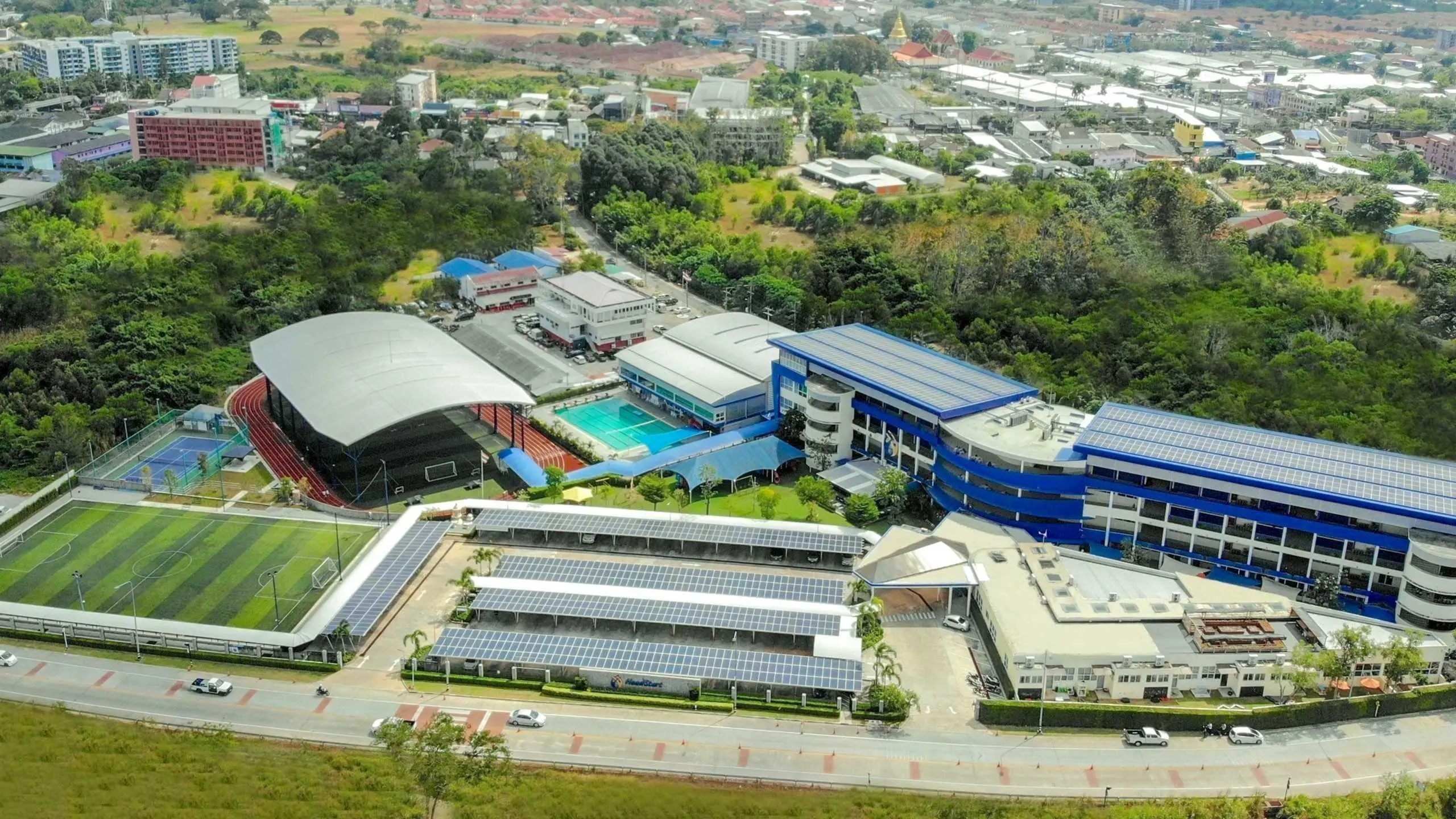
Our established central campus provides an exceptionally resource-rich environment for Primary learners. Students thrive in spacious, well-equipped classrooms designed to stimulate collaborative projects and modern digital learning. Integrating active play and physical development throughout the school day, our dedicated Primary adventure playground and extensive sports facilities offer the ultimate arena for building peer friendships, teamwork, and physical confidence.
Life at HeadStart
From academic breakthroughs to championship wins, there is always an inspiring story unfolding at HeadStart. Browse the latest articles below to catch up on the news, events, and daily life across our Chaofah and Cherngtalay campuses.