

 Chaofah City
 Chaofah City






Secondary Programme (Ages: 11-16)
Pathways to Global Success
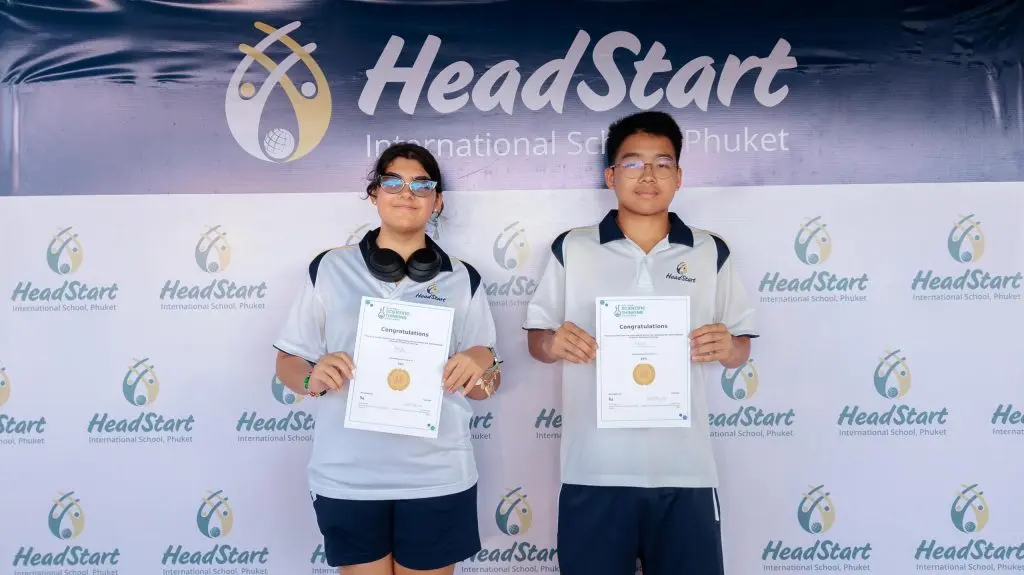
From Key Stage 3 through to Cambridge IGCSEs and Pearson Edexcel GCSEs, as well as BTEC qualifications, our programmes challenge students academically while fostering essential personal and cultural growth. With a proven track record of securing ‘Top in Thailand’ and ‘Top in the World’ awards, we equip our students with the knowledge, specialist skills, and fortitude to succeed at leading universities across the globe.
High Achievement & Global Pathways
Stepping into Secondary marks the beginning of a tailored, high-achieving academic journey. We challenge our young adults with a rigorous international curriculum, empowering them to achieve outstanding results. Recognised through multiple ‘Top in the World’ and ‘Top in Thailand’ awards, we foster academic excellence that secures qualifications for the world's most competitive universities.

Cultivating Responsible Global Citizens
We bring education to life by building leadership, critical thinking, and social responsibility. Through extensive community programmes, including Model United Nations, the World Scholar's Cup, the Duke of Edinburgh's International Award, and our Eco Committee, we encourage students to tackle global issues and develop a lifelong commitment to making a positive impact in their communities.

Developing Independent, Critical Thinkers
While Secondary students develop greater independence, we actively maintain strong home-school partnerships to ensure their holistic development. Through Student-Led Conferences, a robust PSHE programme, and comprehensive pastoral support, we work collaboratively with parents. Additionally, our UPrep programme provides vital guidance to both students and families navigating the university admissions process together.
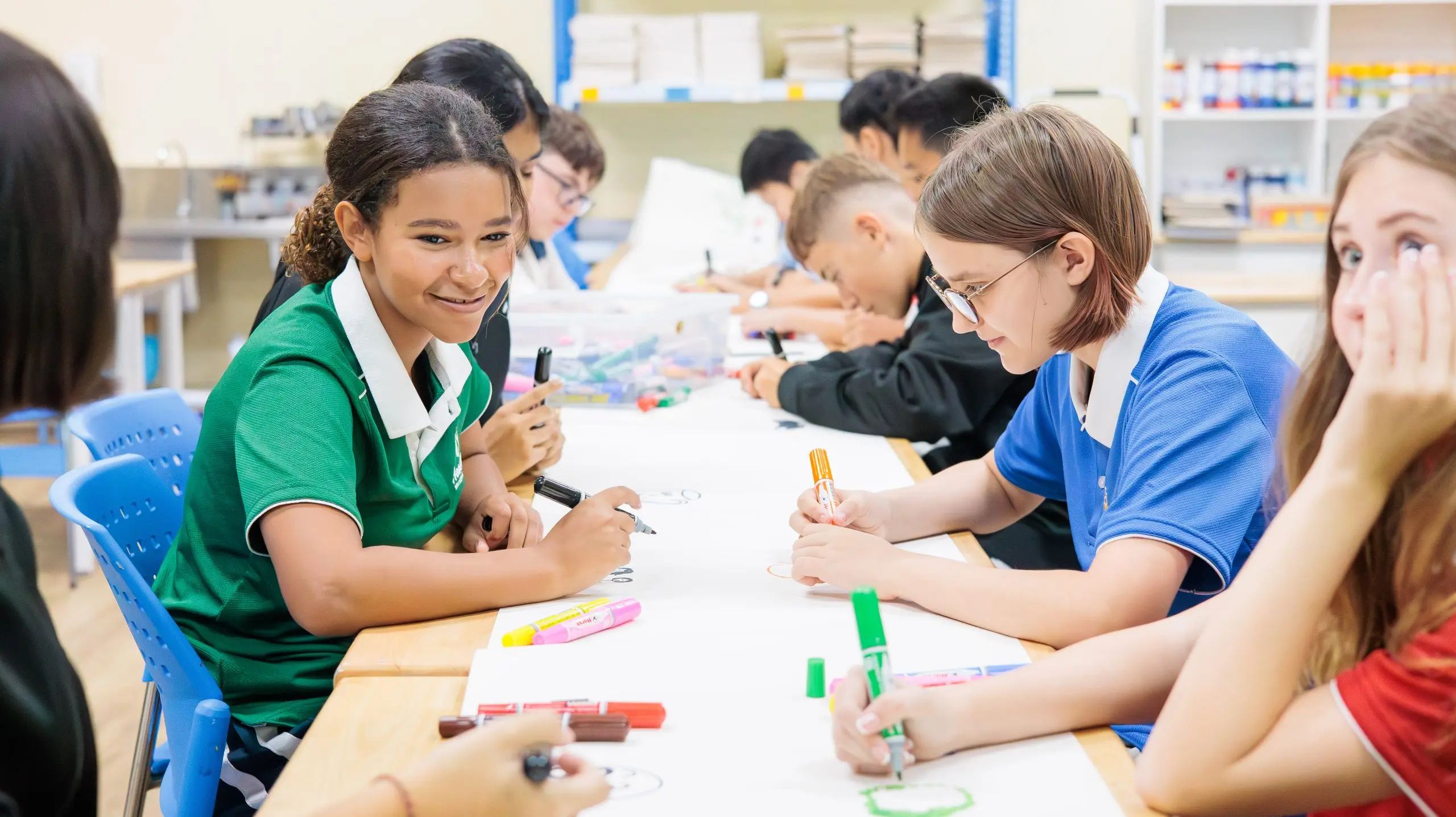
A Message from the Secondary Principal
Navigating the Secondary school years requires more than just academic rigour; it requires a deep, individual understanding of every student. Throughout my career in education, I have seen first-hand that young adults only excel when they feel known, secure, and respected.
Here at HeadStart, we step away from a one-size-fits-all approach. Instead, we look at the individual sitting in front of us, identify their specific strengths, and build the exact support network they need to succeed. We combine outstanding classroom teaching and rigorous academic tracking with personalised support. Whether a student is aiming for top IGCSE and A-Level results, finding their voice in the creative arts, or competing in our sports academies, our goal is to build their self-efficacy. Students need to trust their own capabilities. We achieve this by working closely with parents, ensuring the high expectations and support we provide at school are mirrored at home.
Our ultimate aim is to develop young adults who are resilient, inquisitive, and prepared to be active change agents in their communities. I invite you to visit us and see how a HeadStart secondary education equips students to face the world with confidence.
B.Wakeford
Ben Wakeford
Secondary Principal

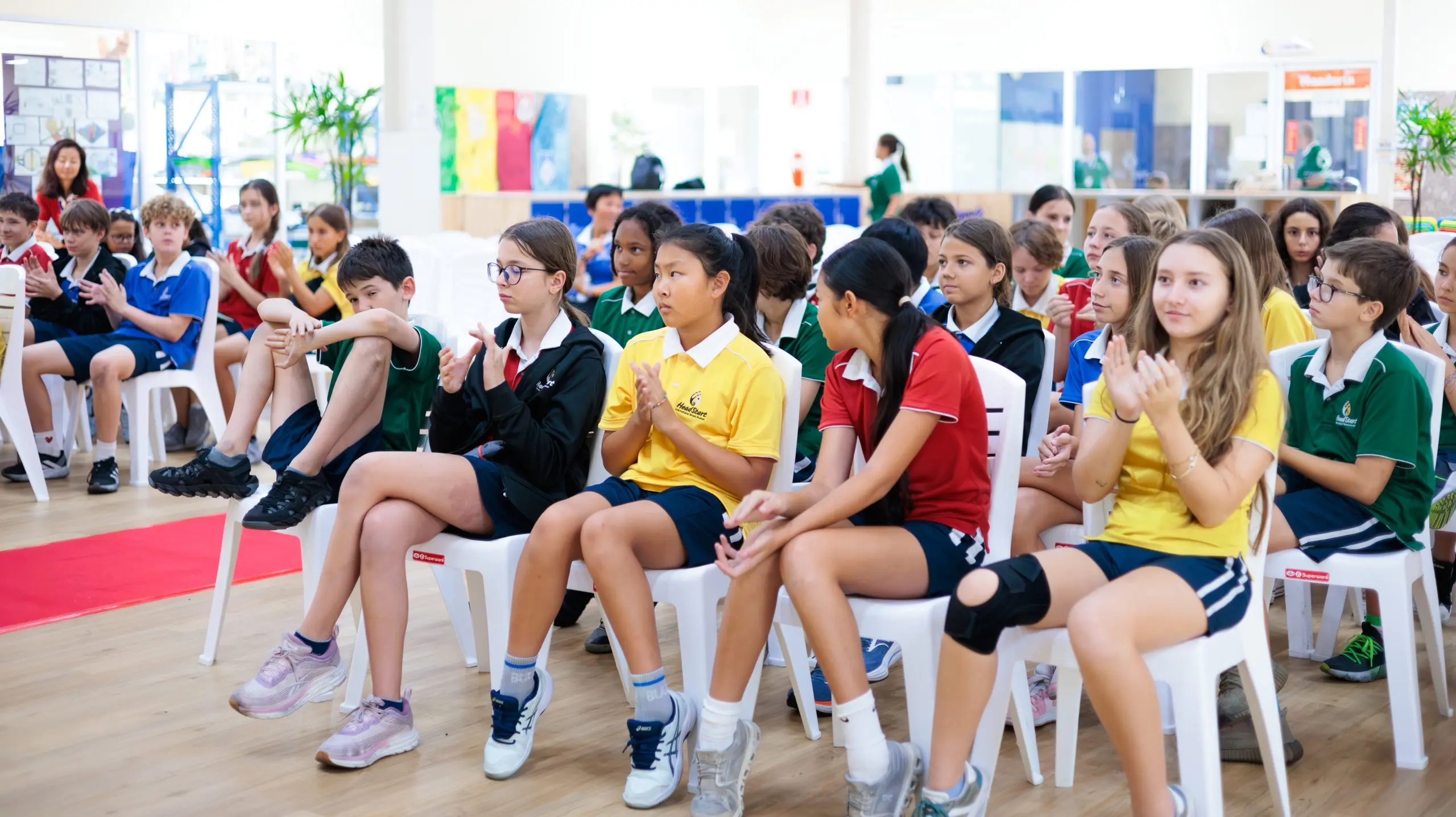
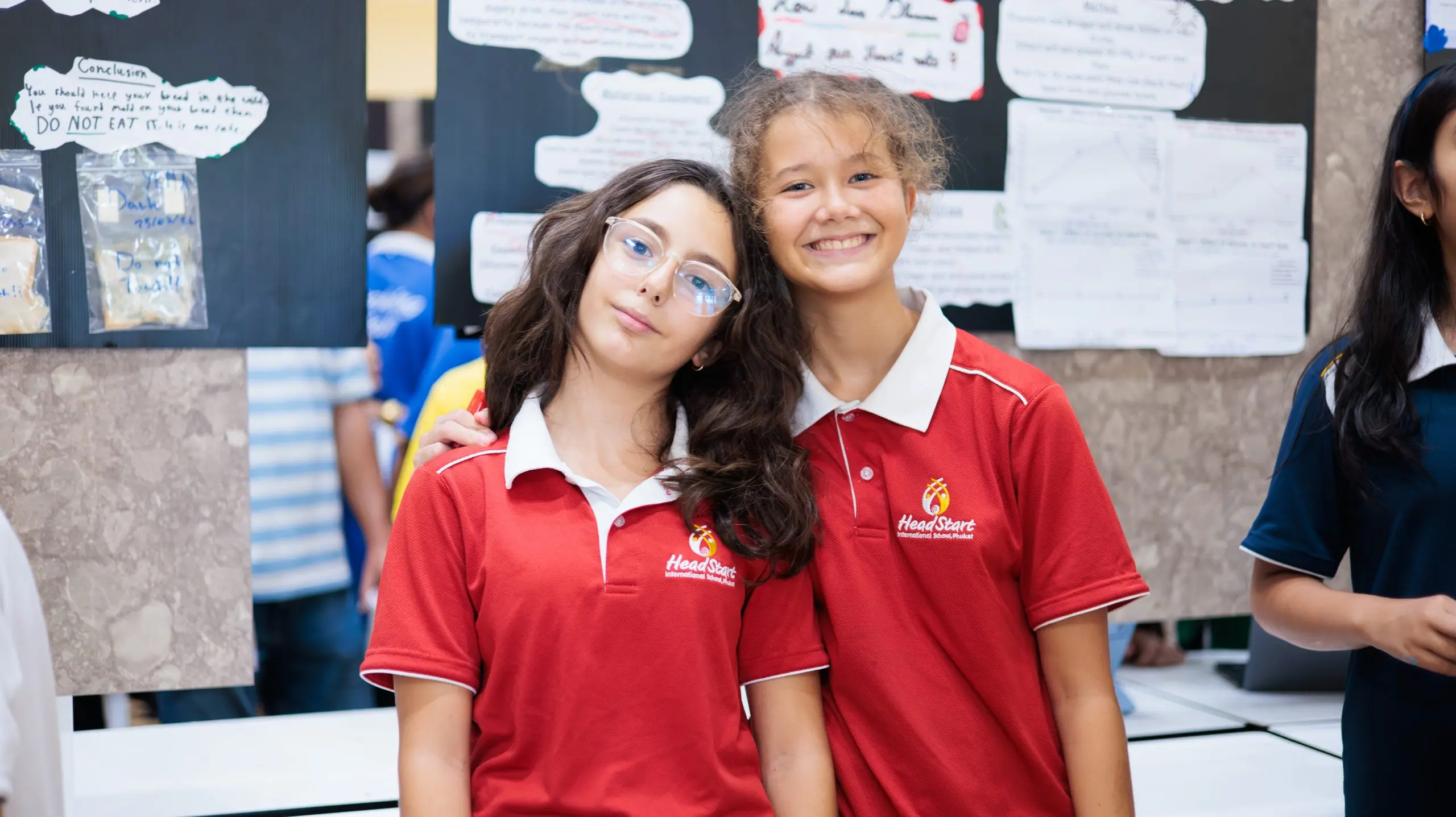
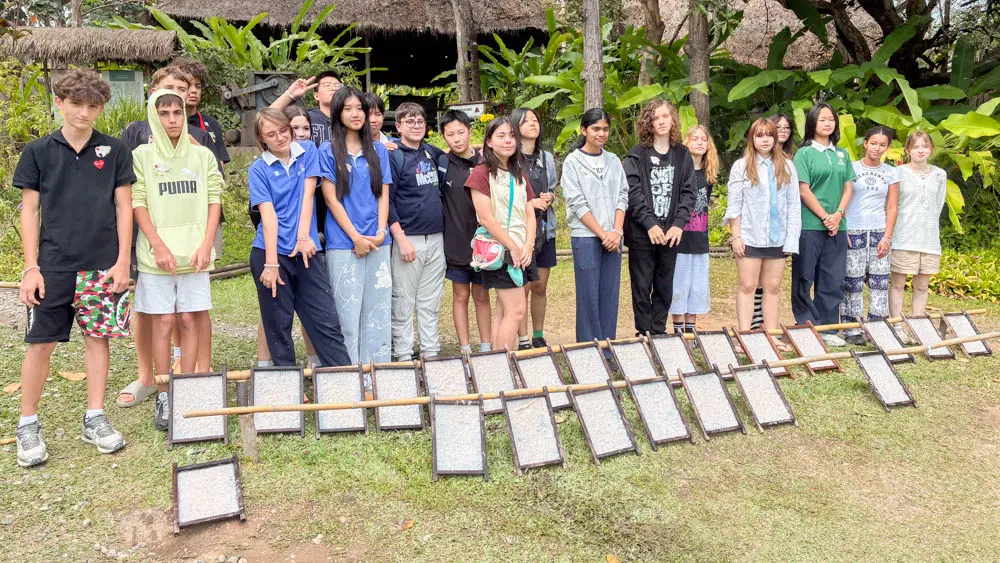
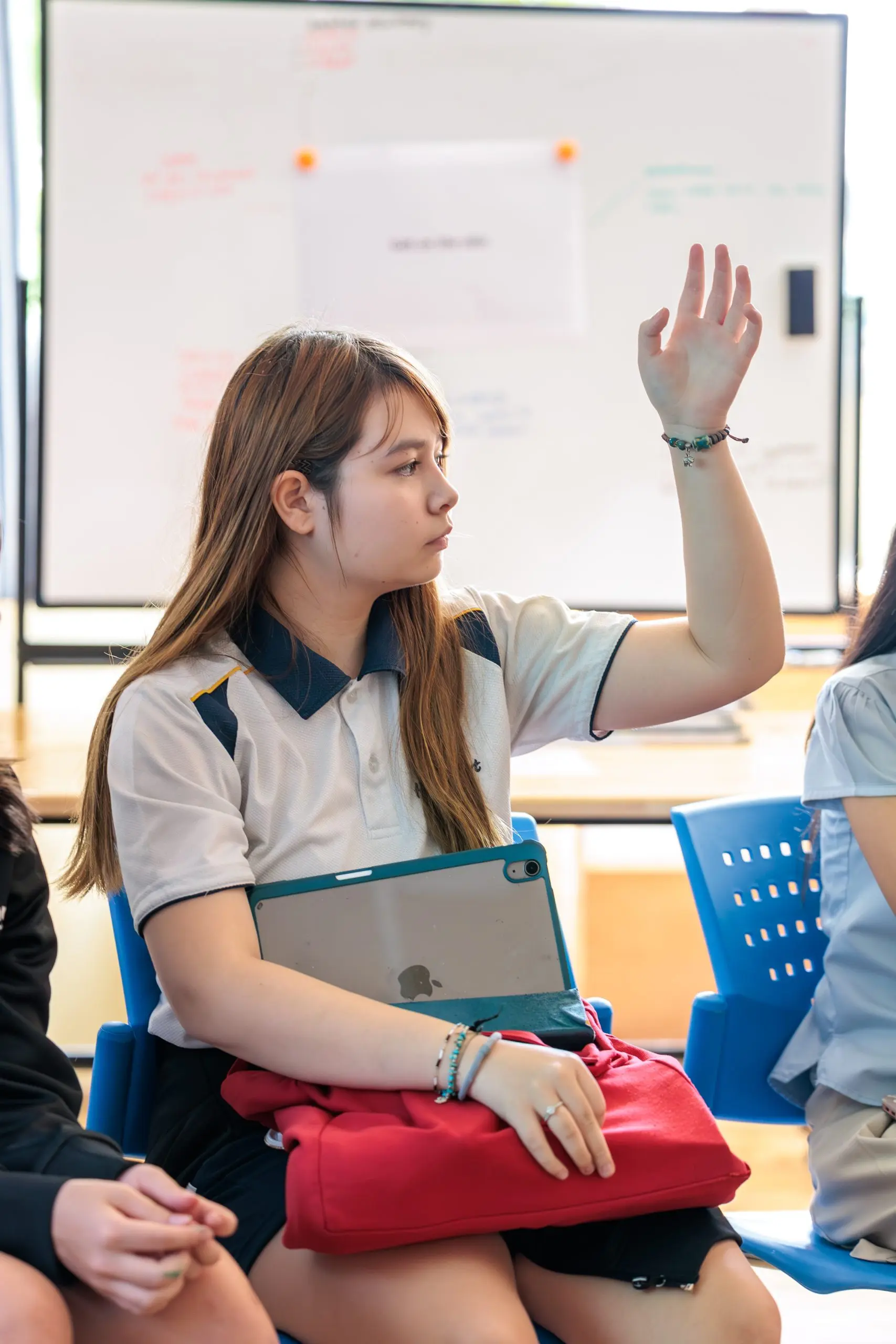


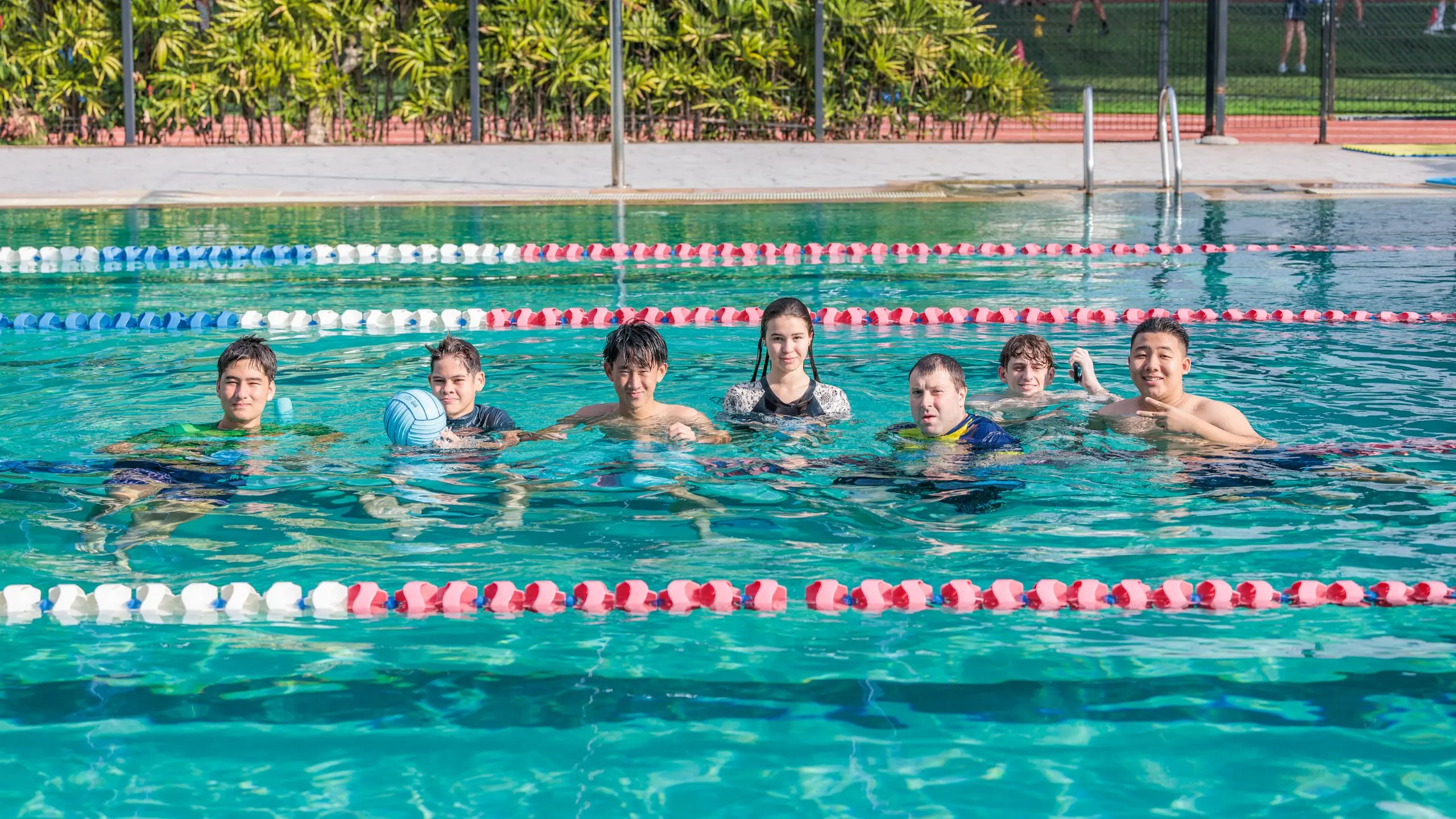
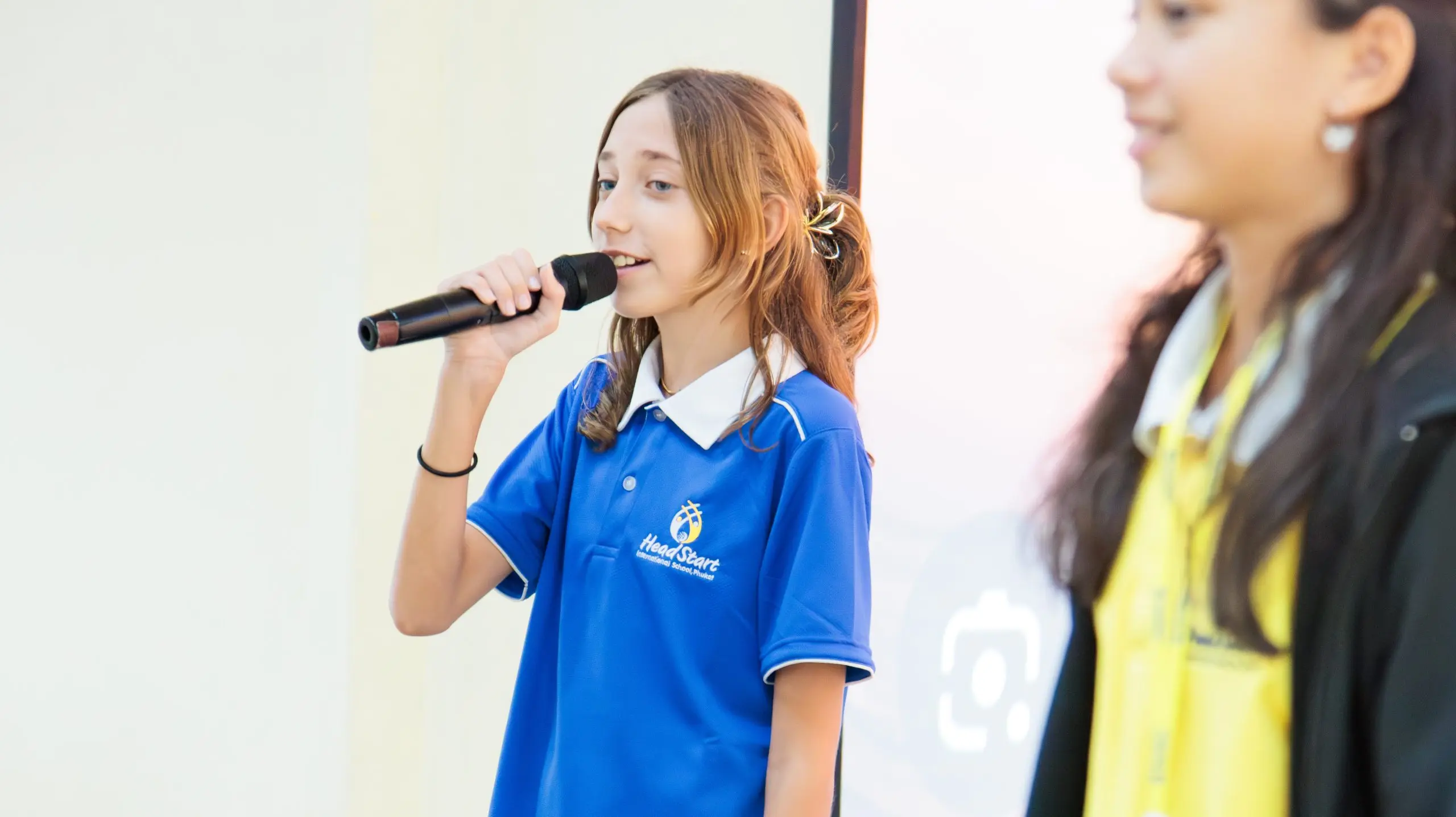

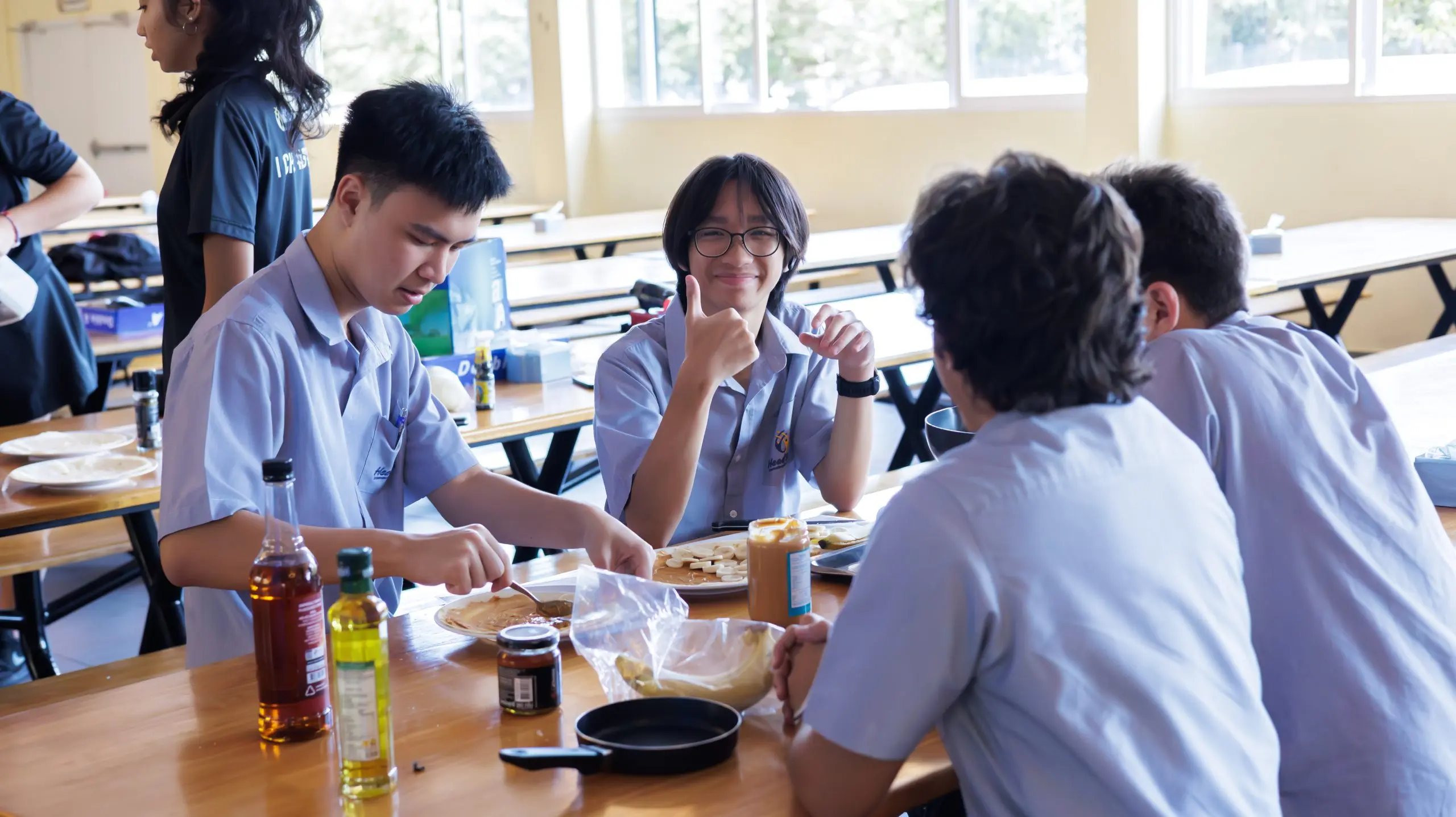

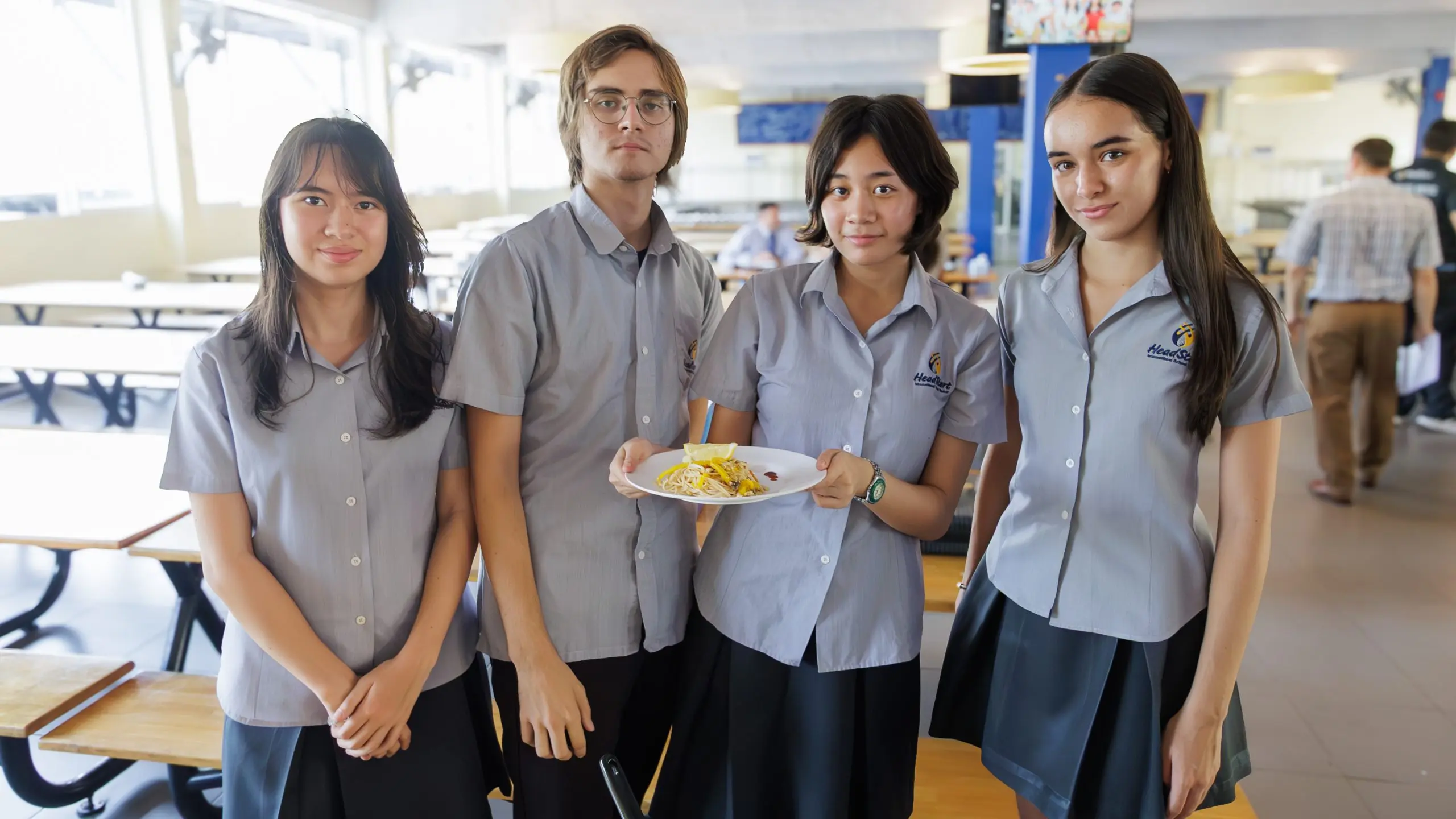
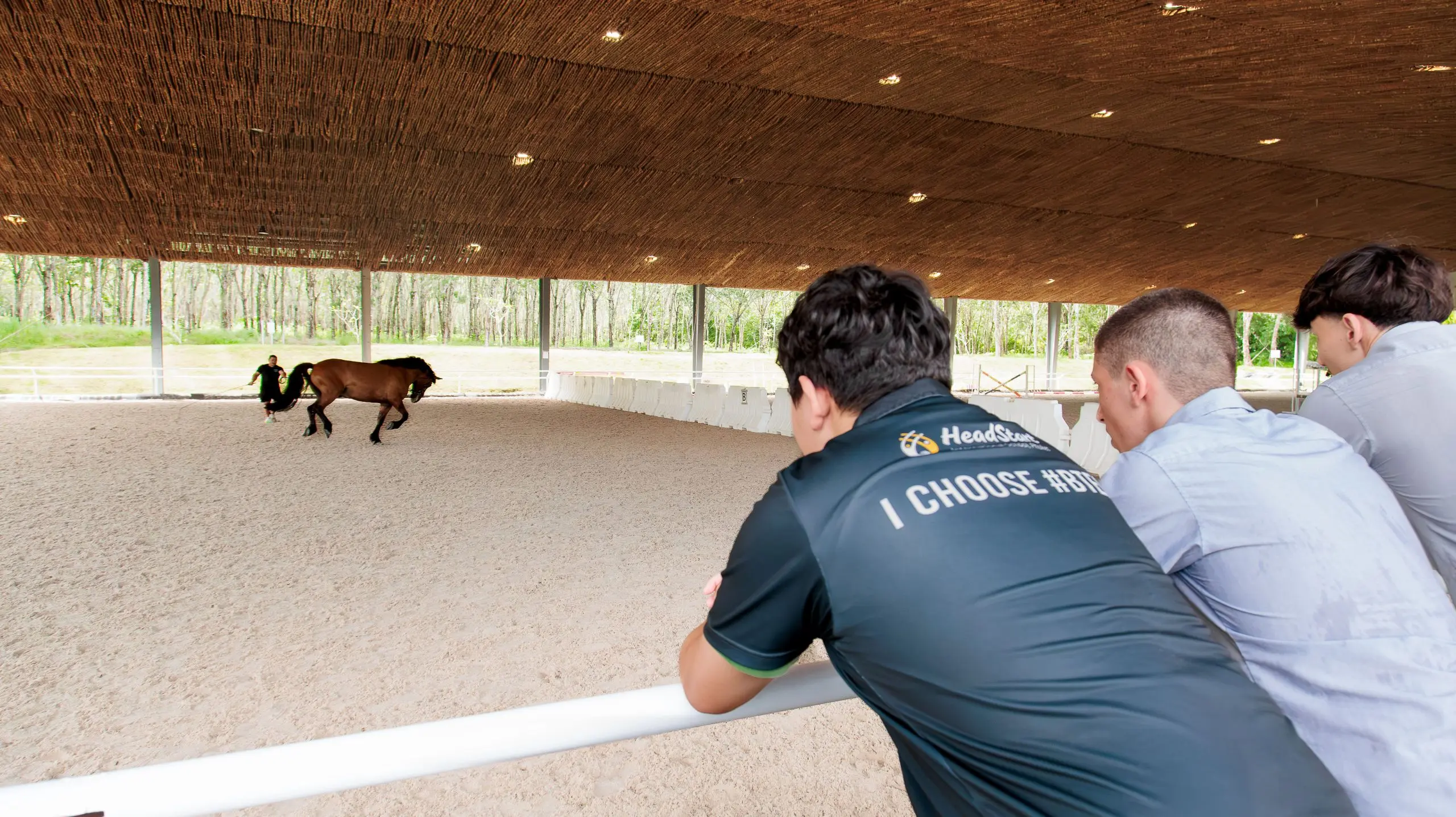

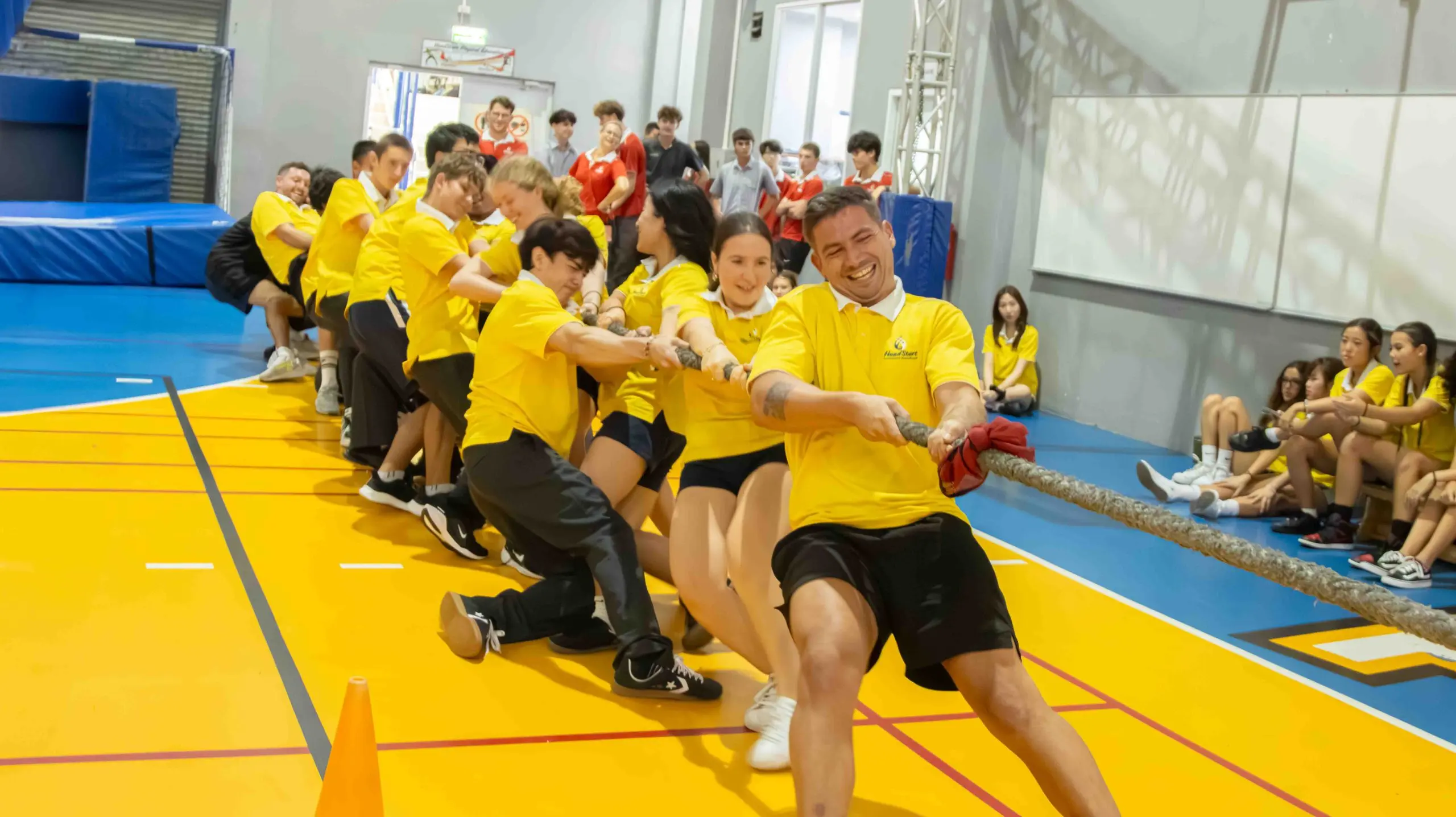
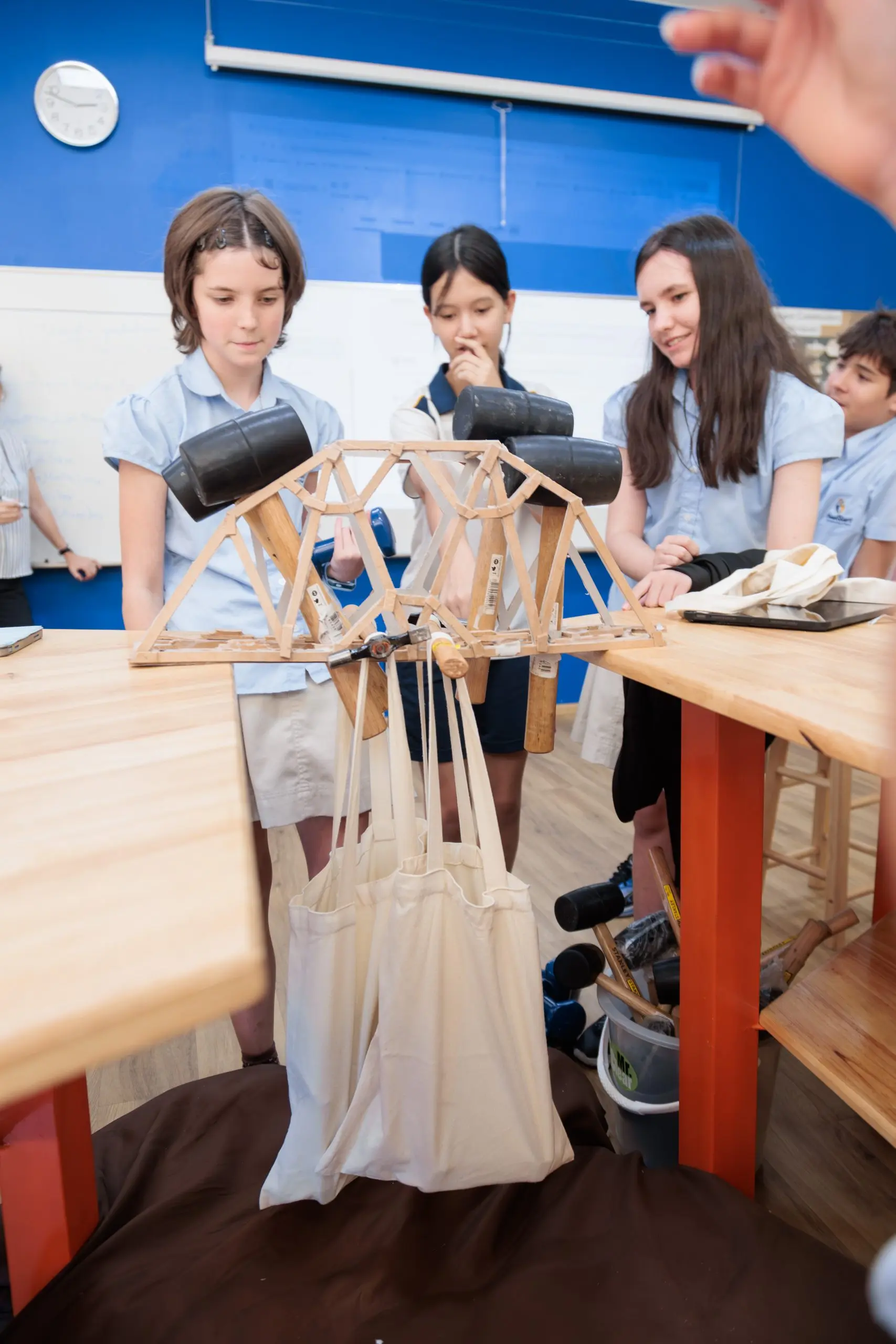


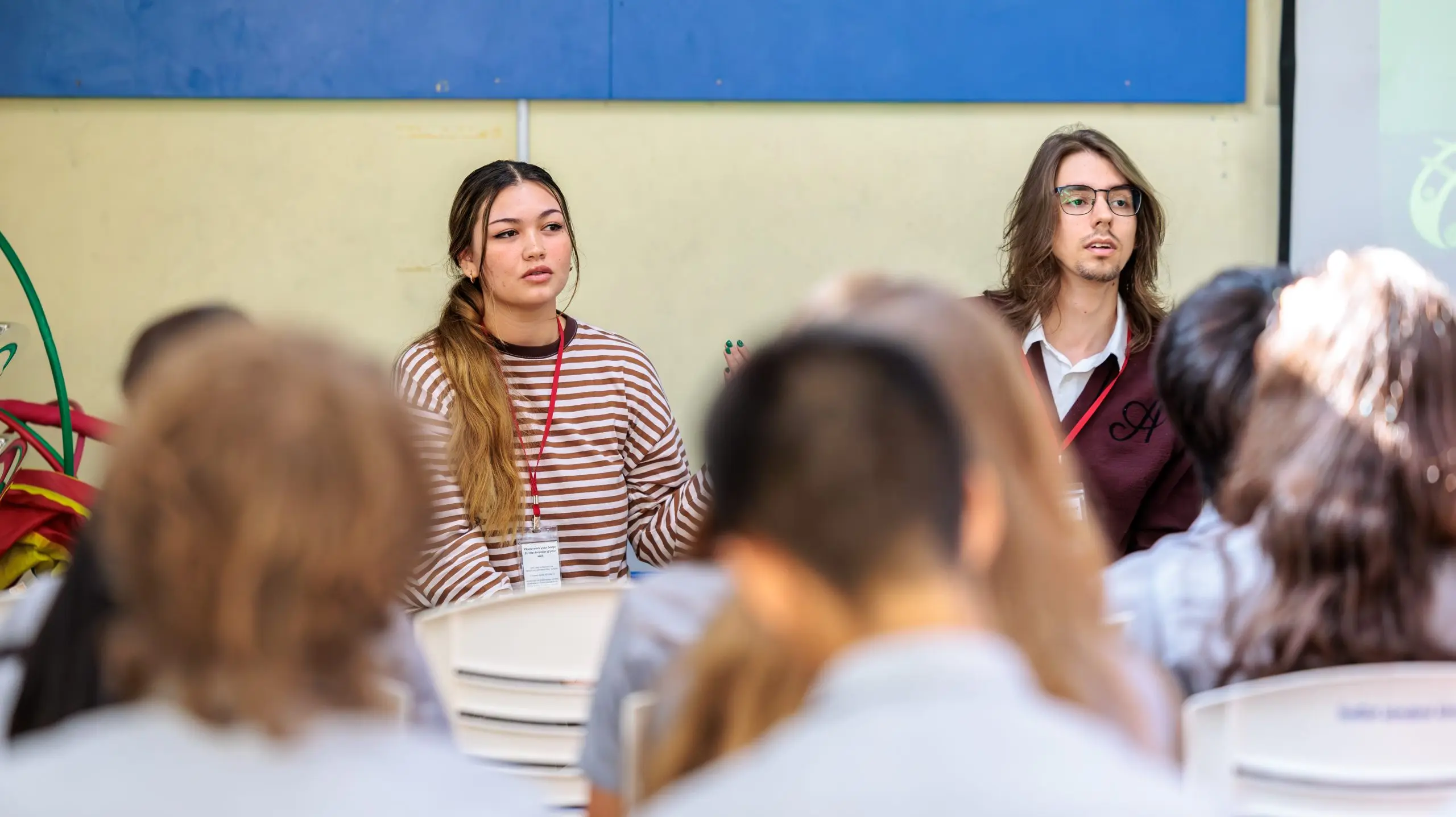
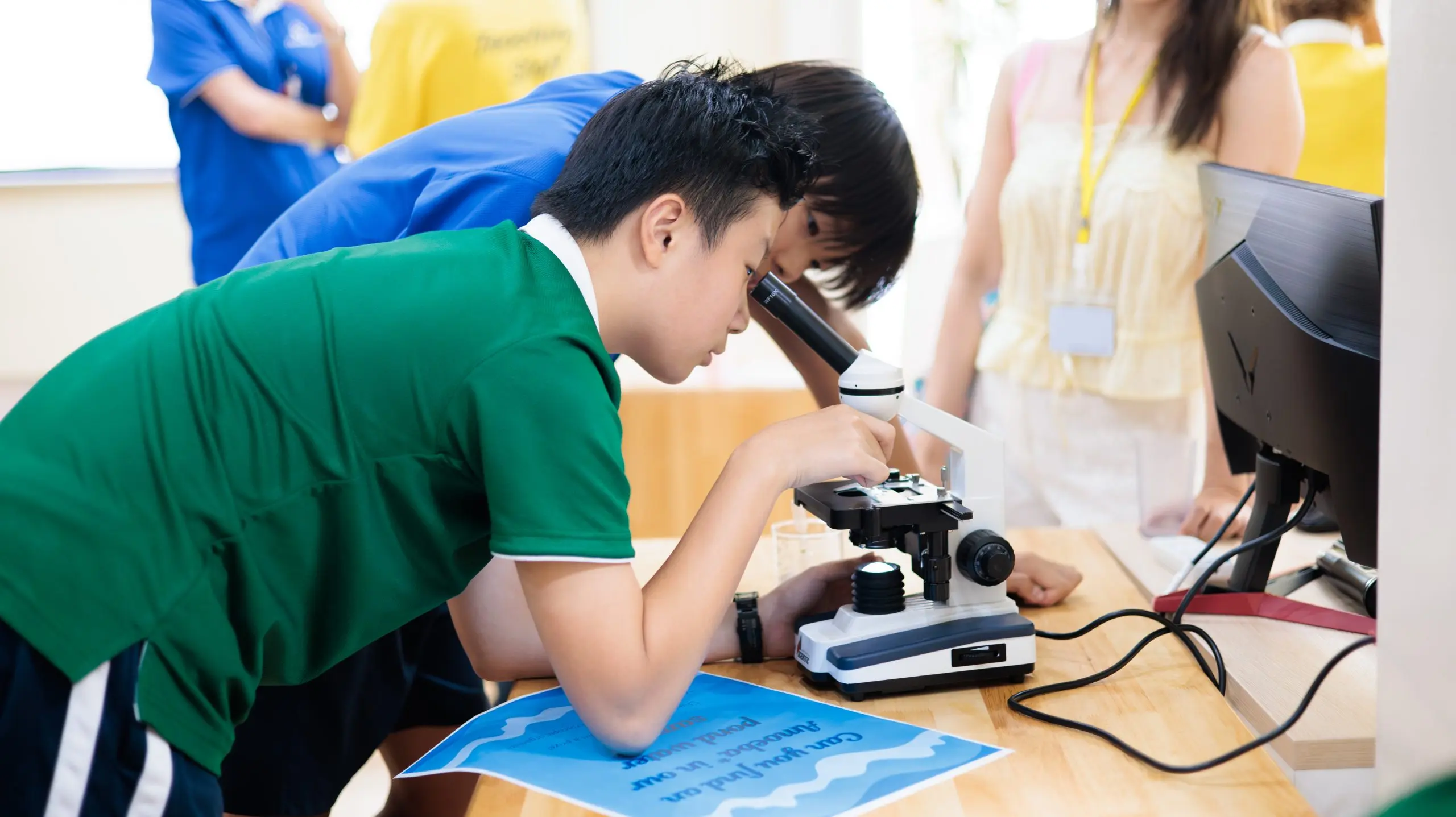
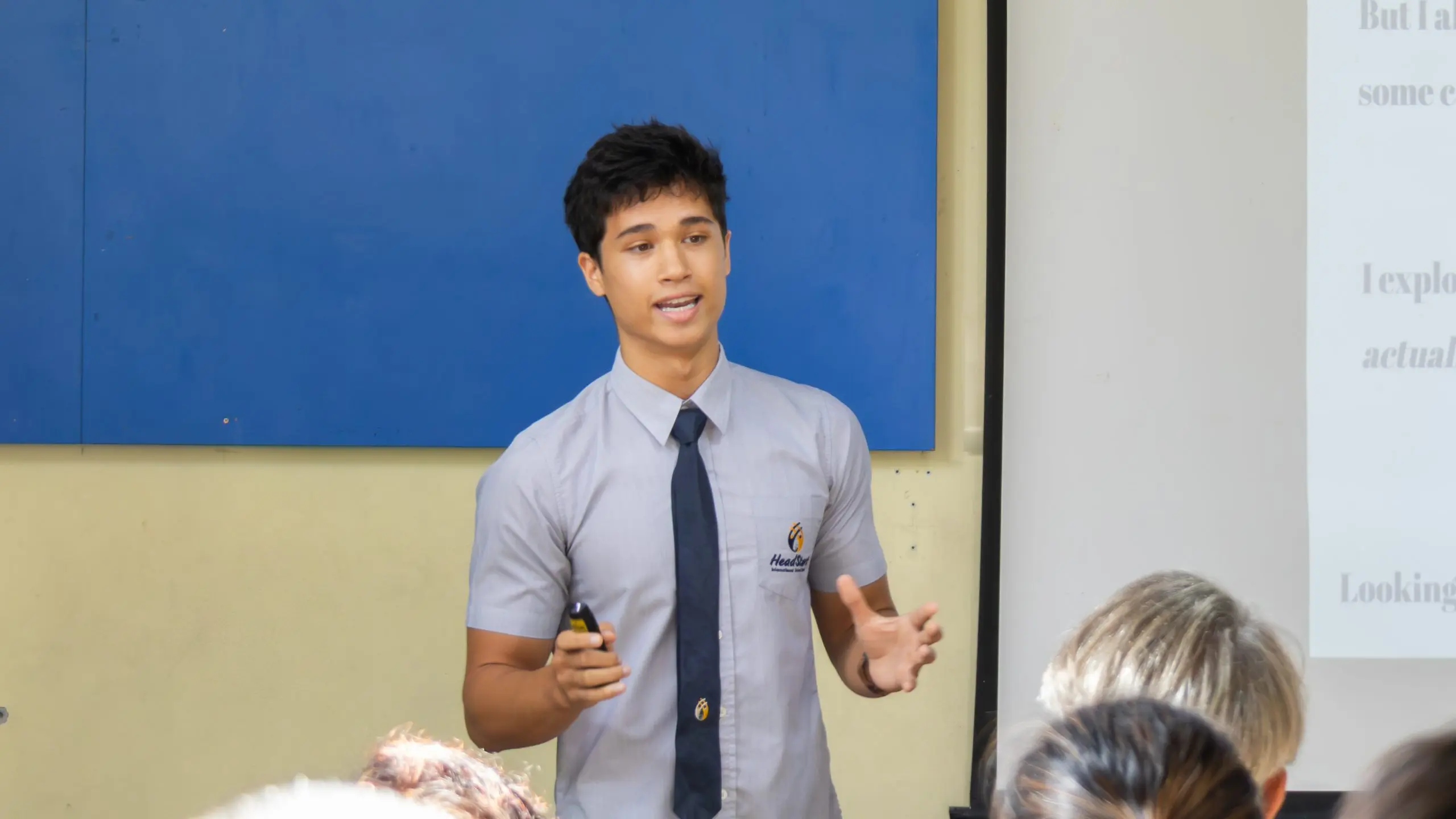
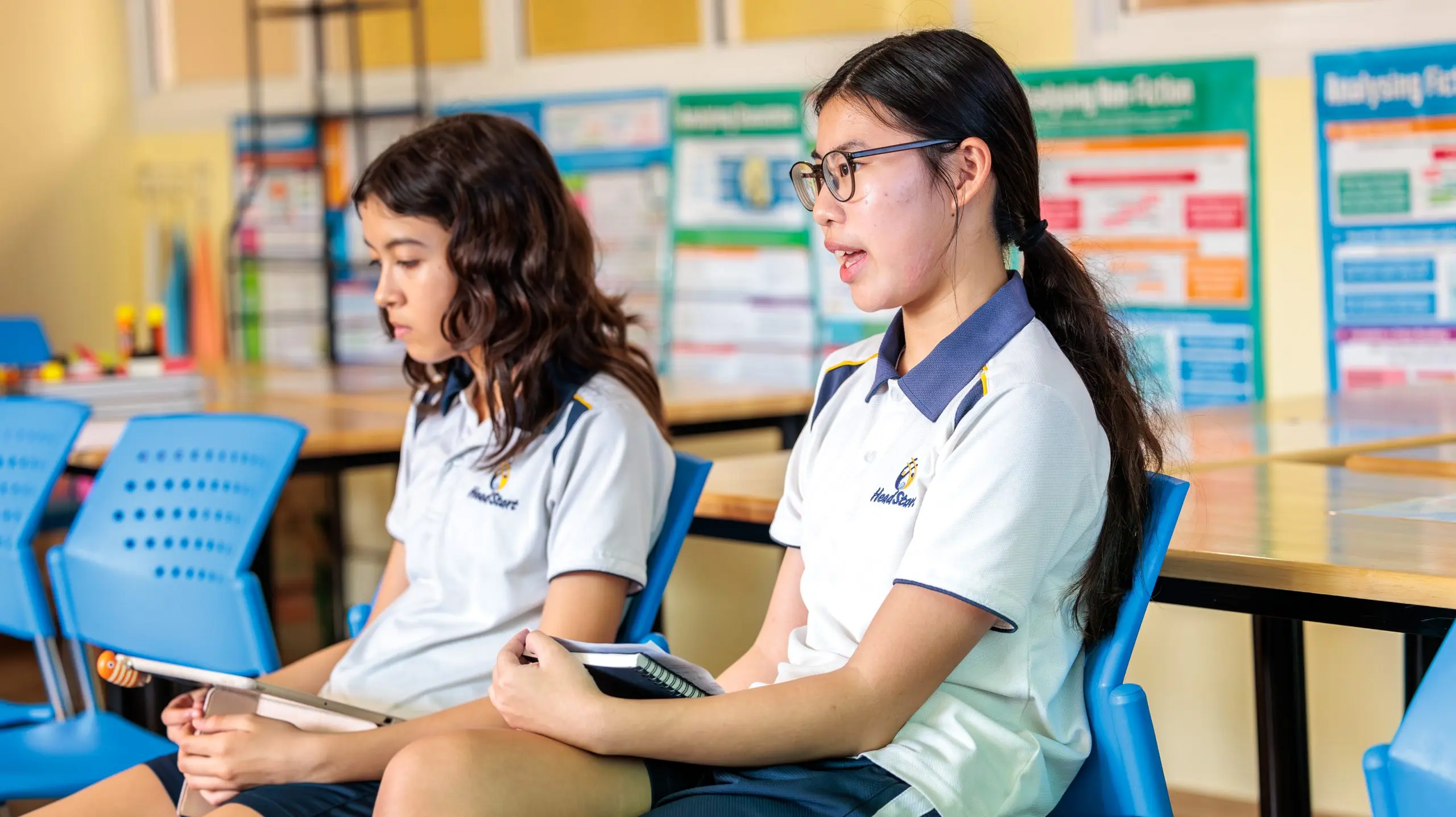
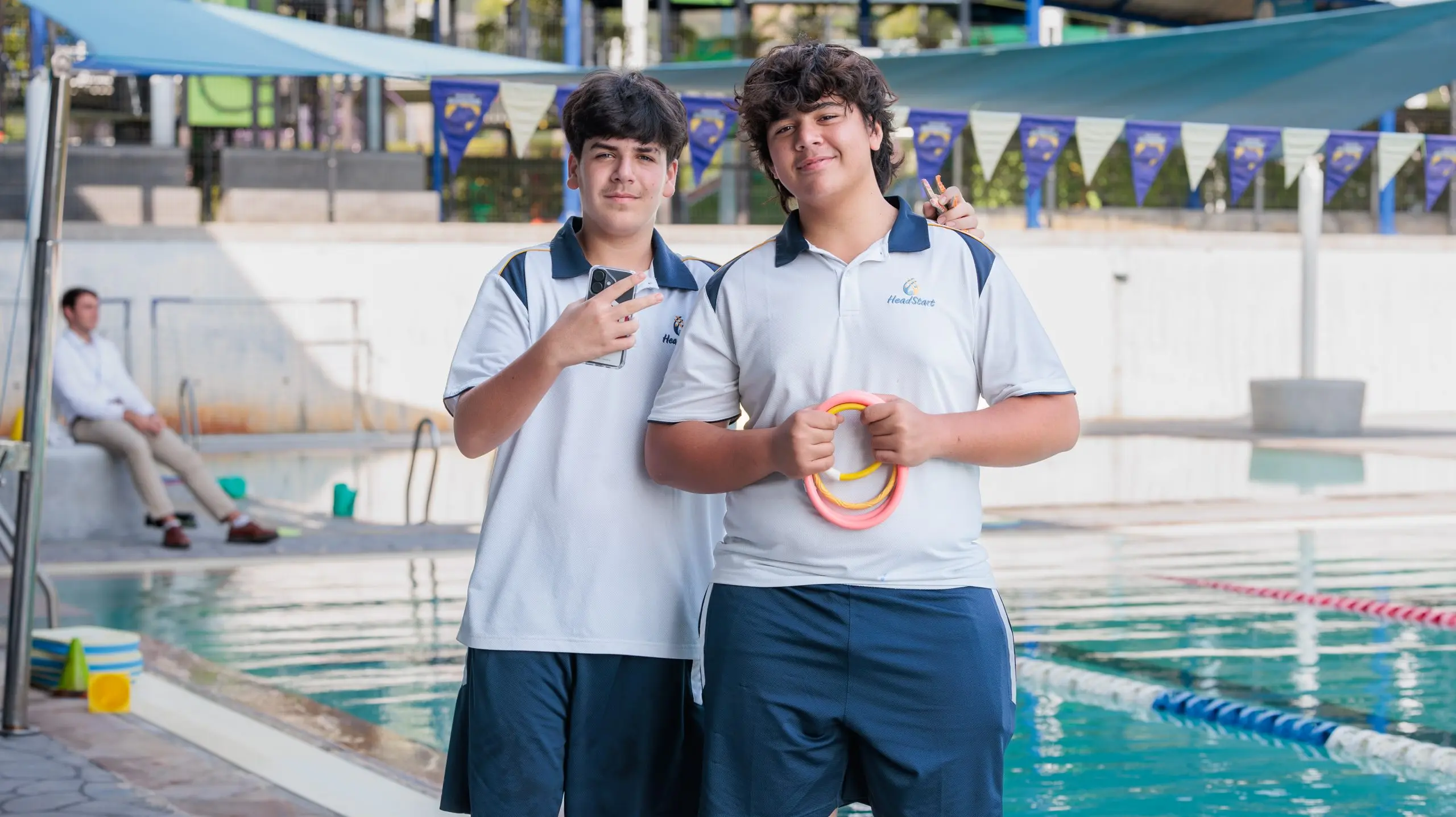
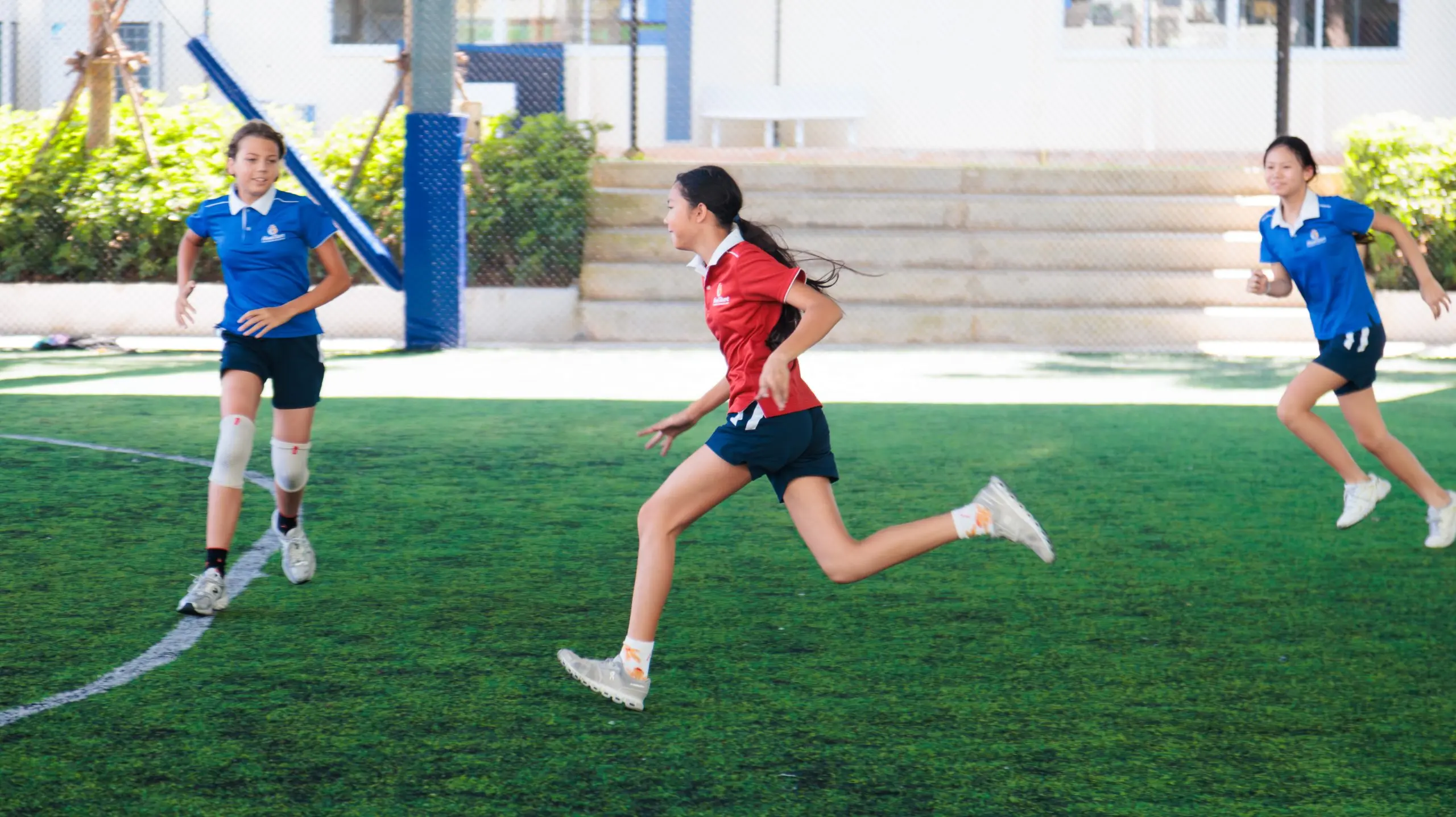
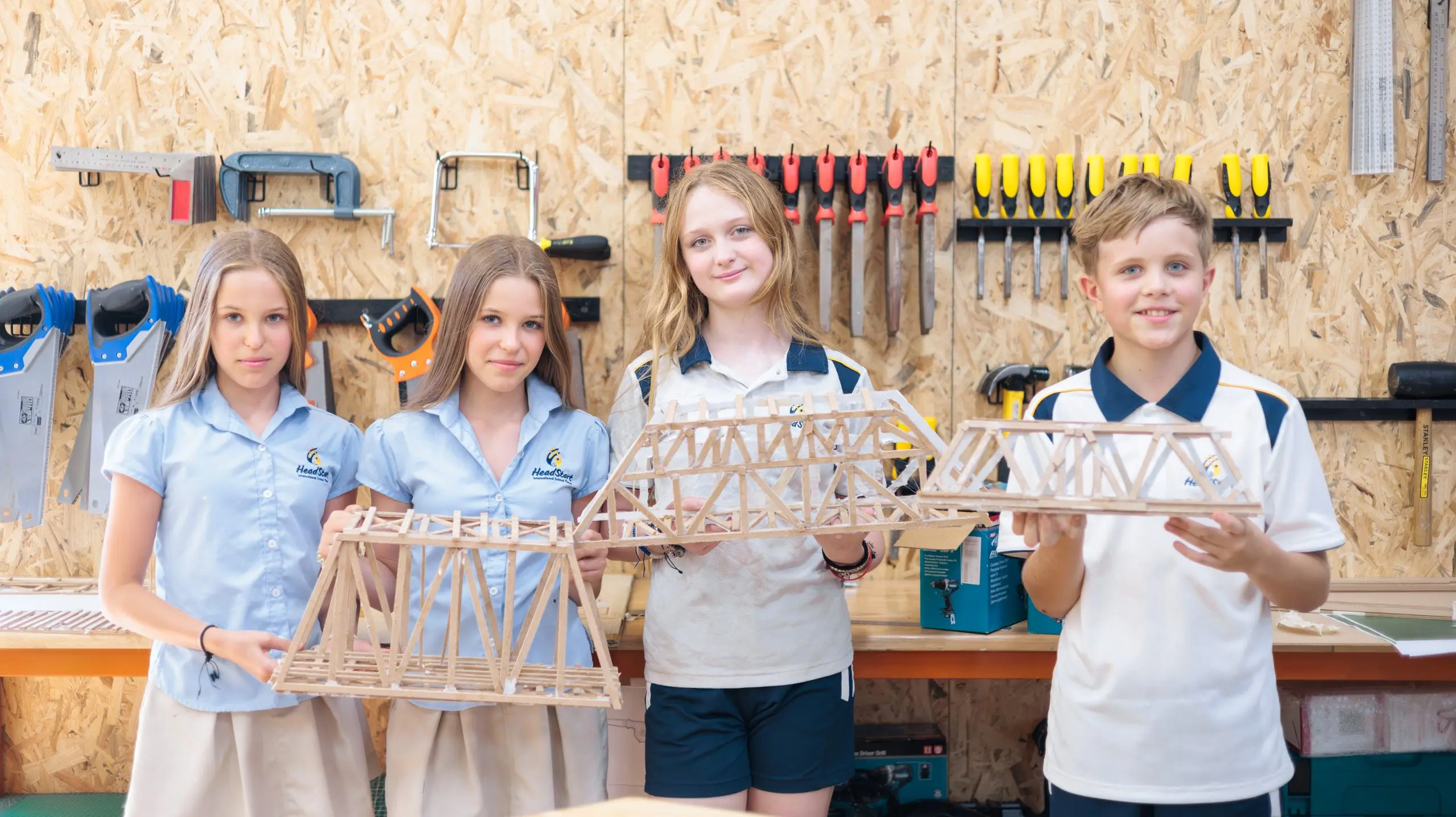
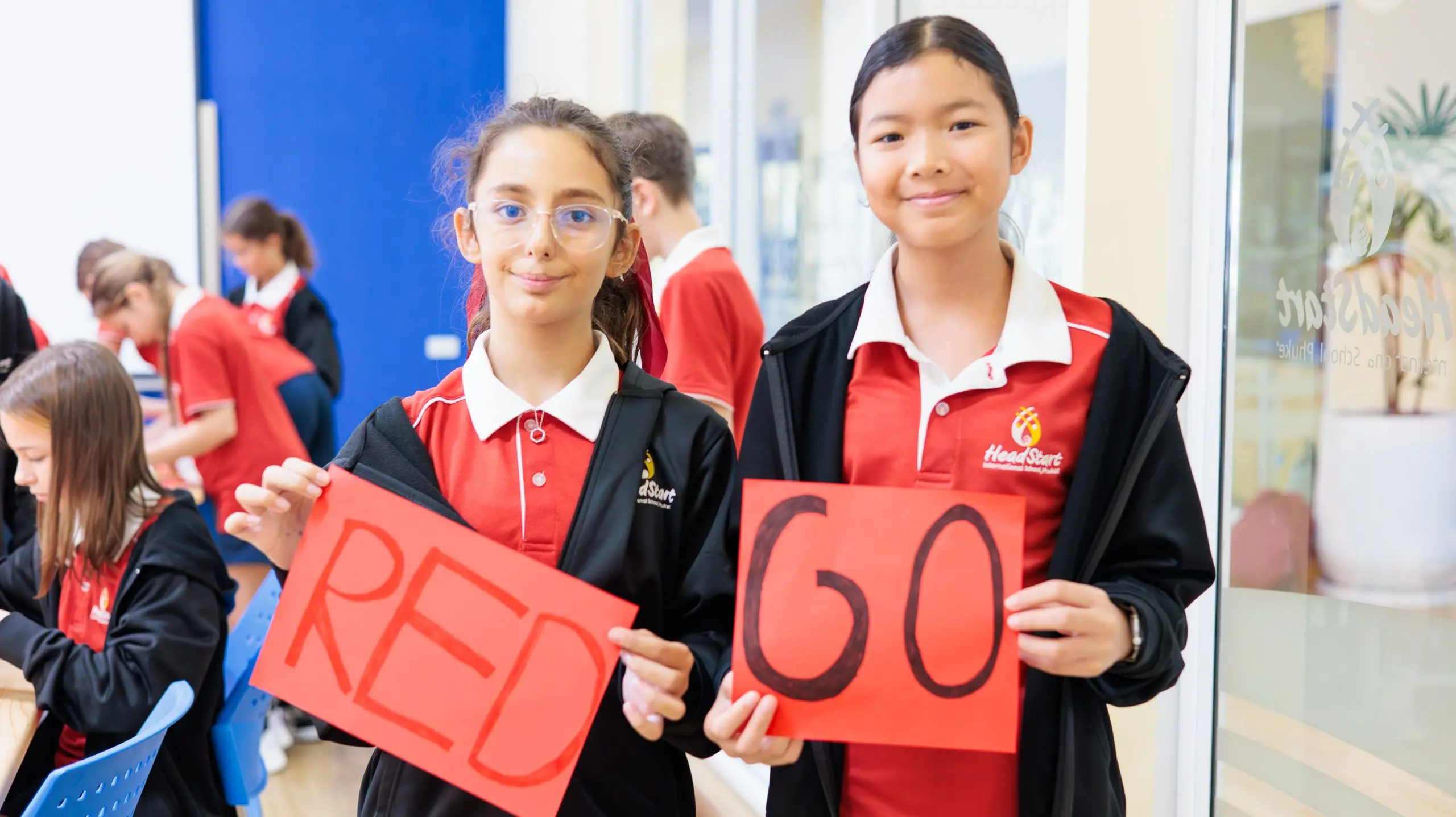
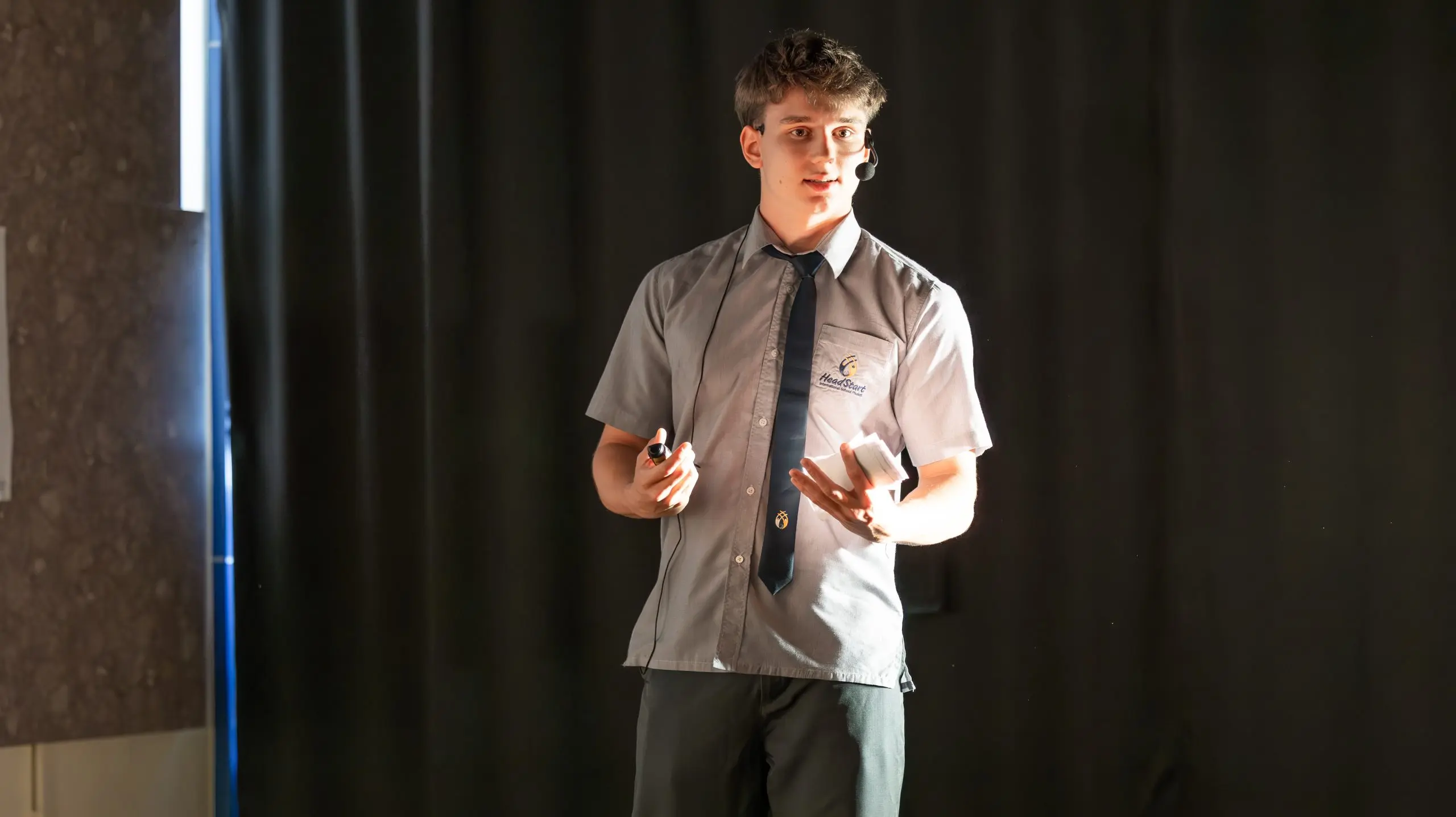
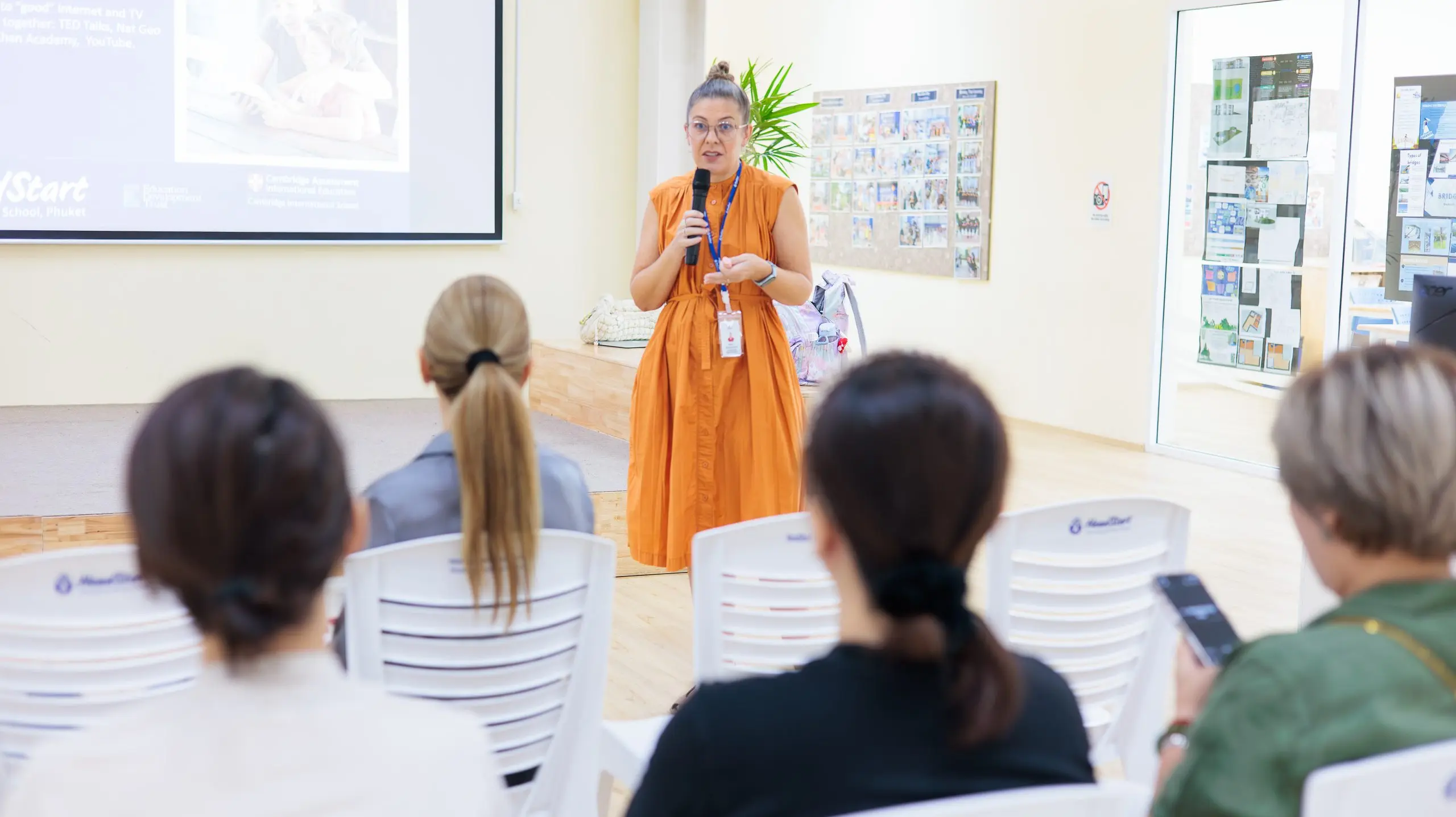
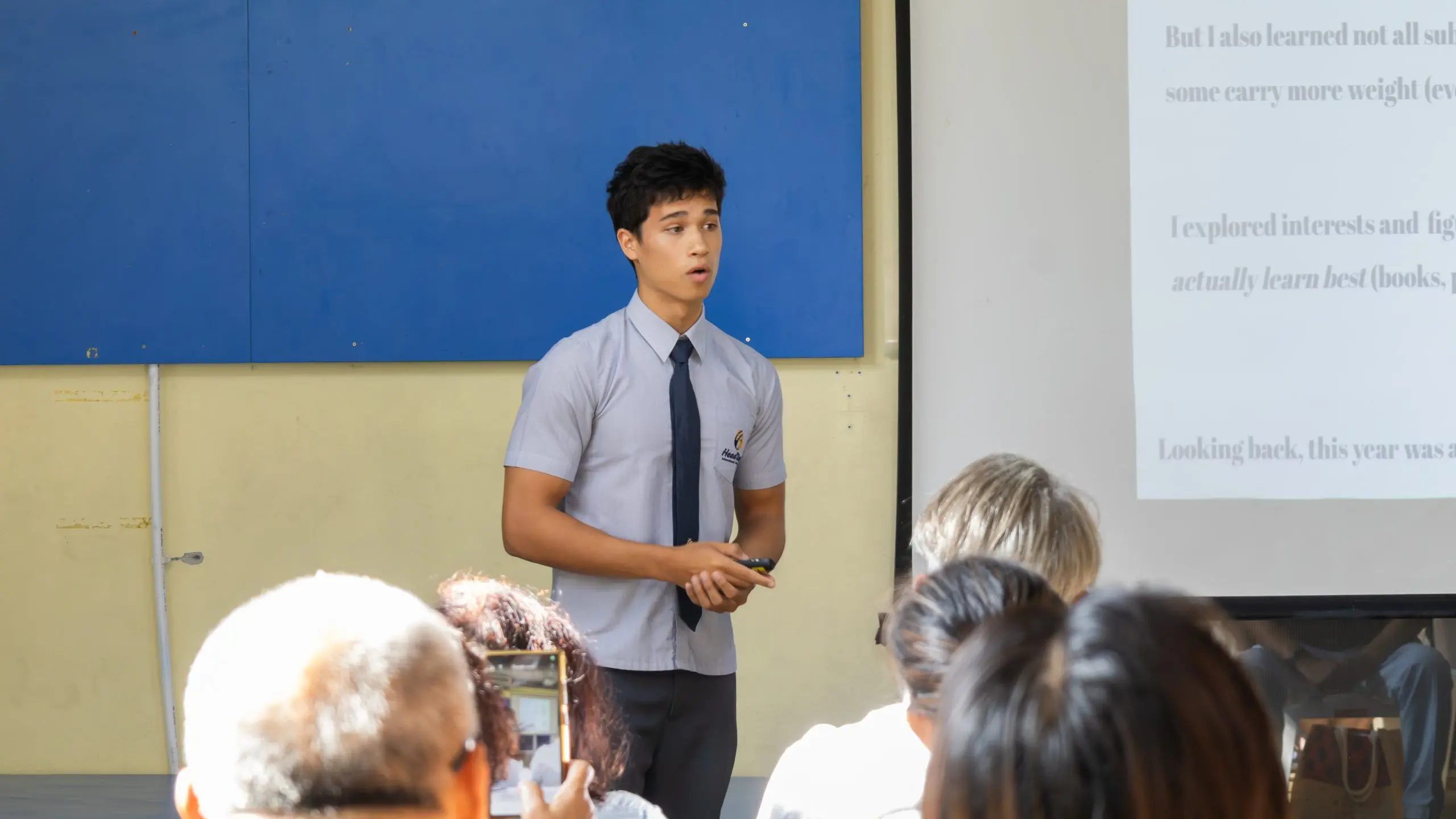

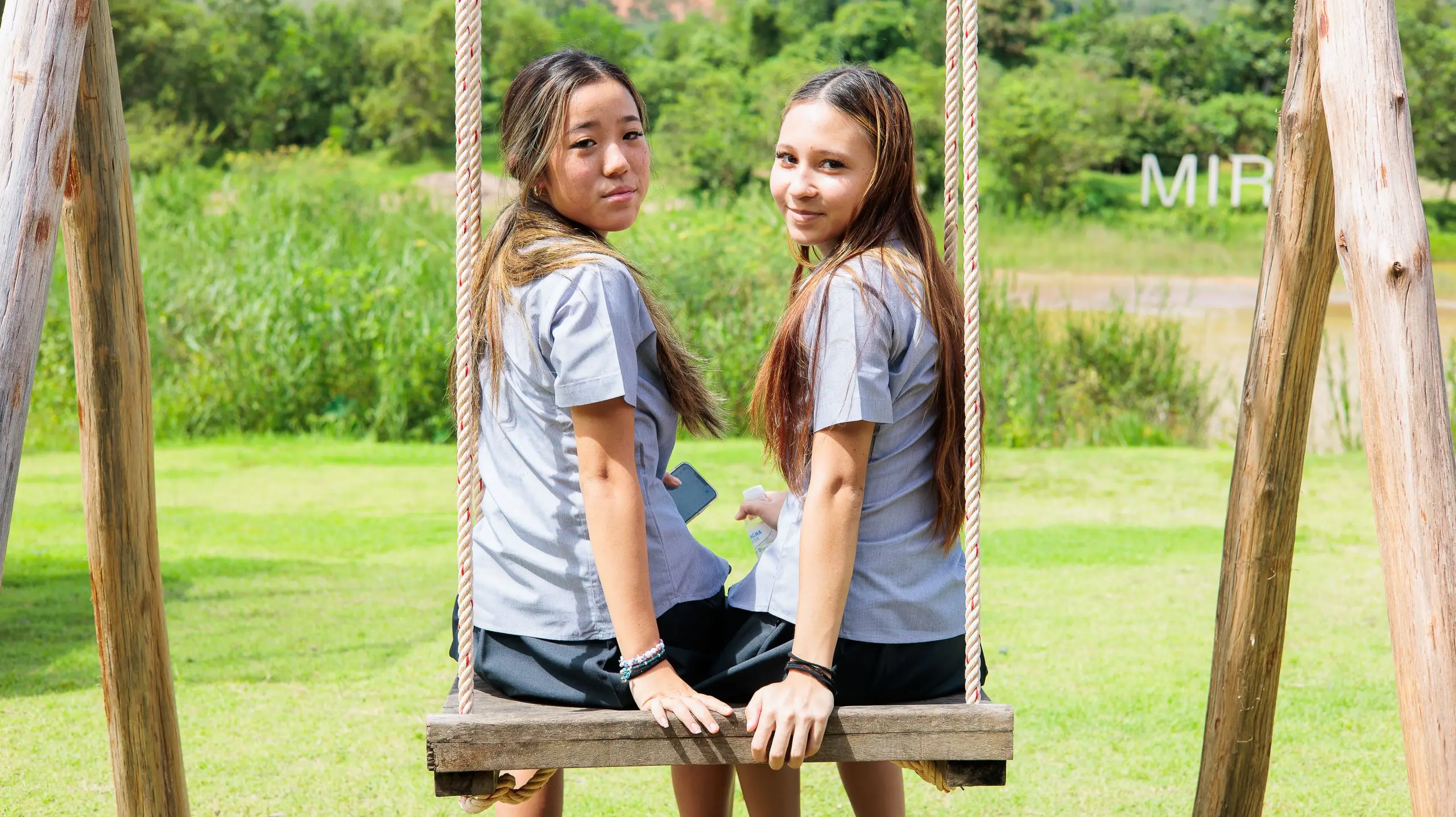
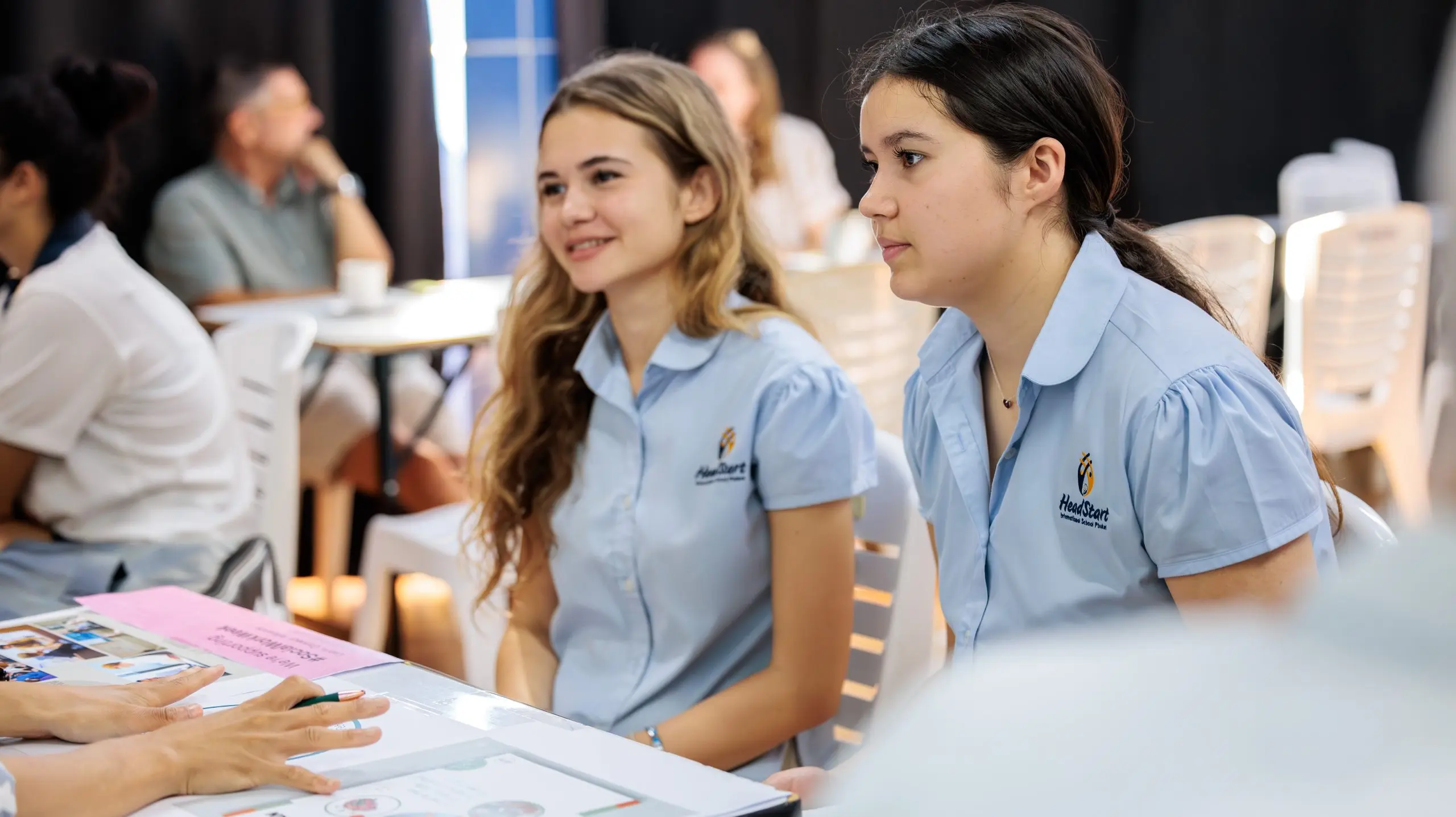
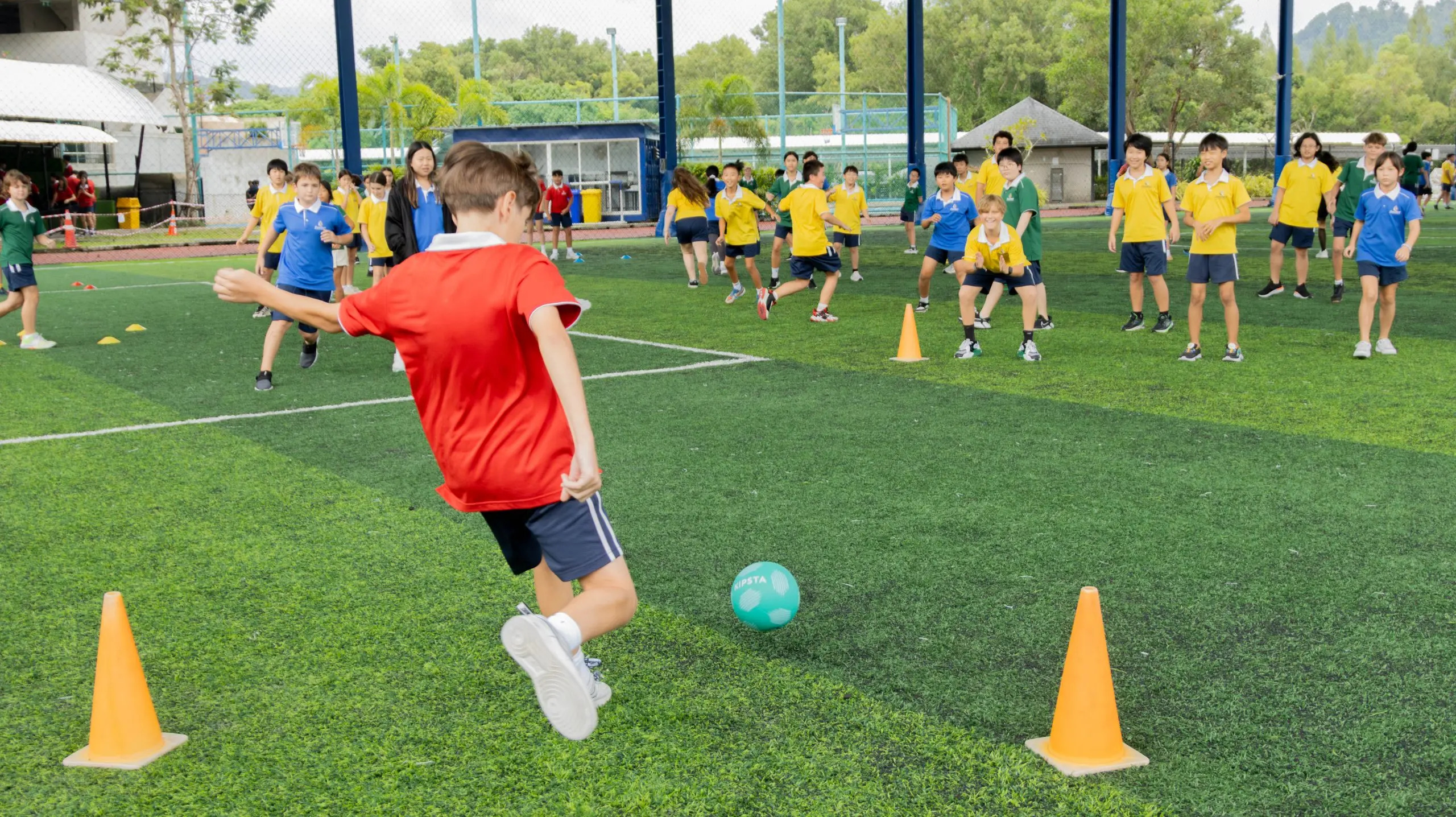

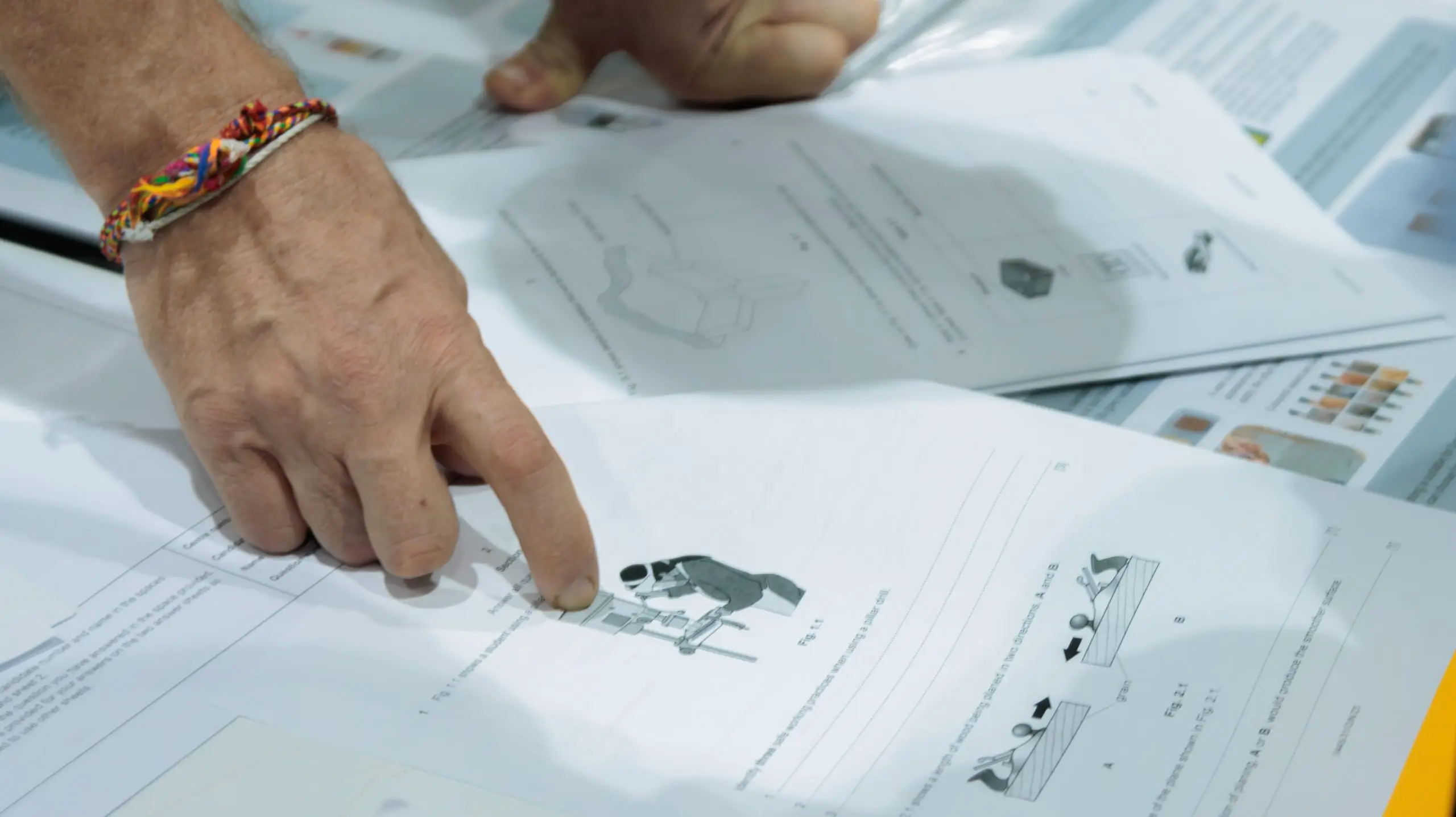
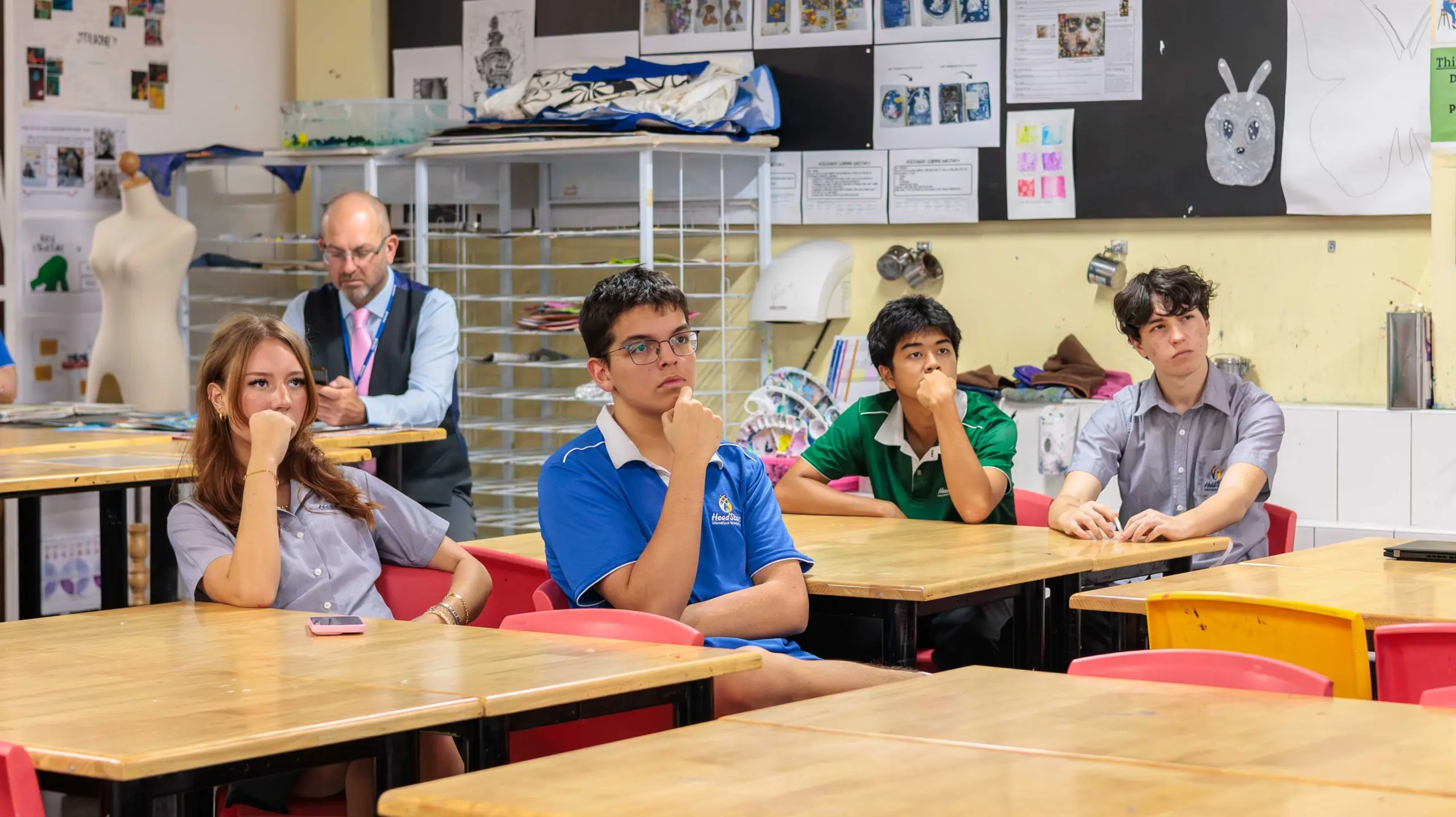
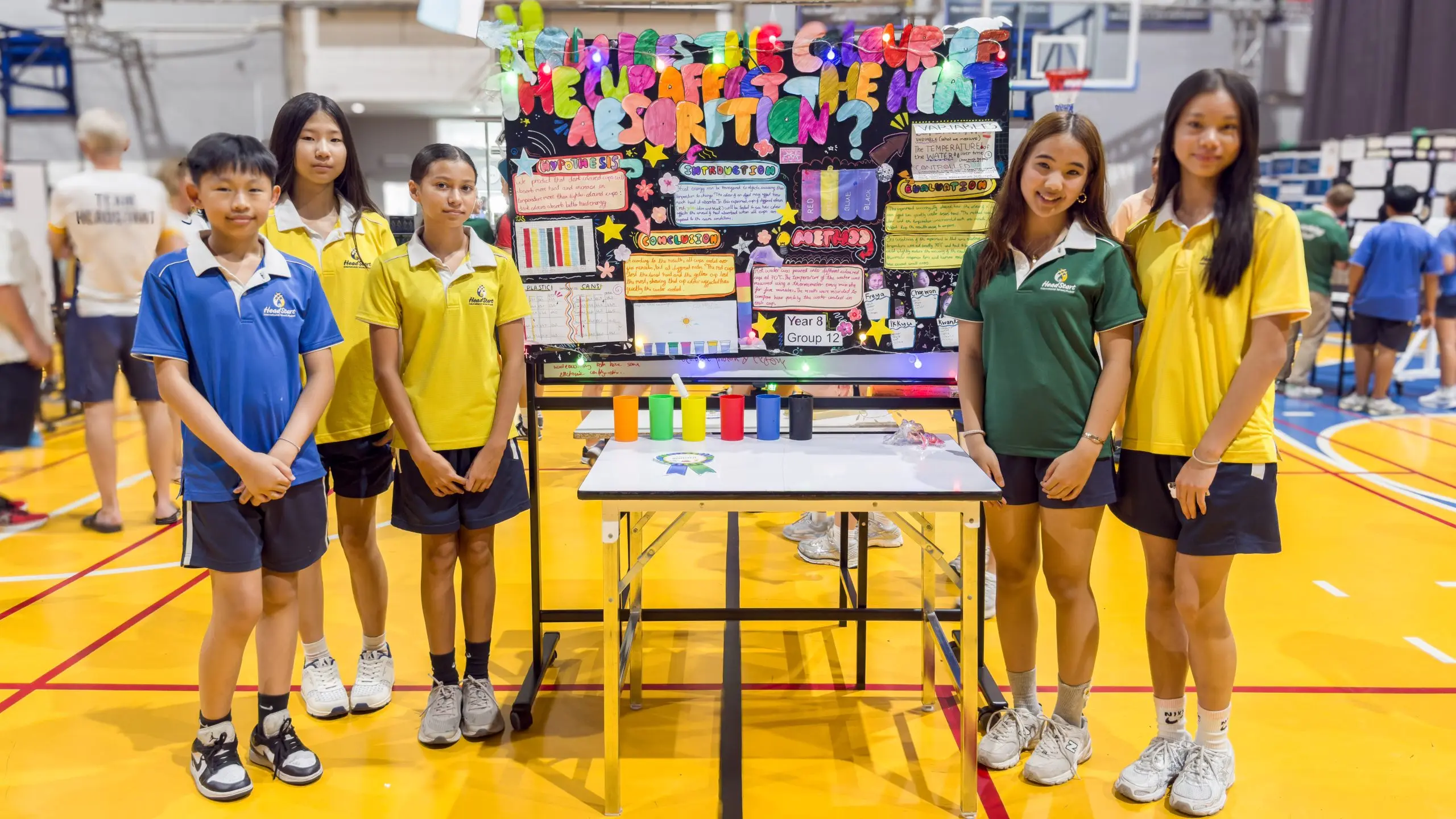
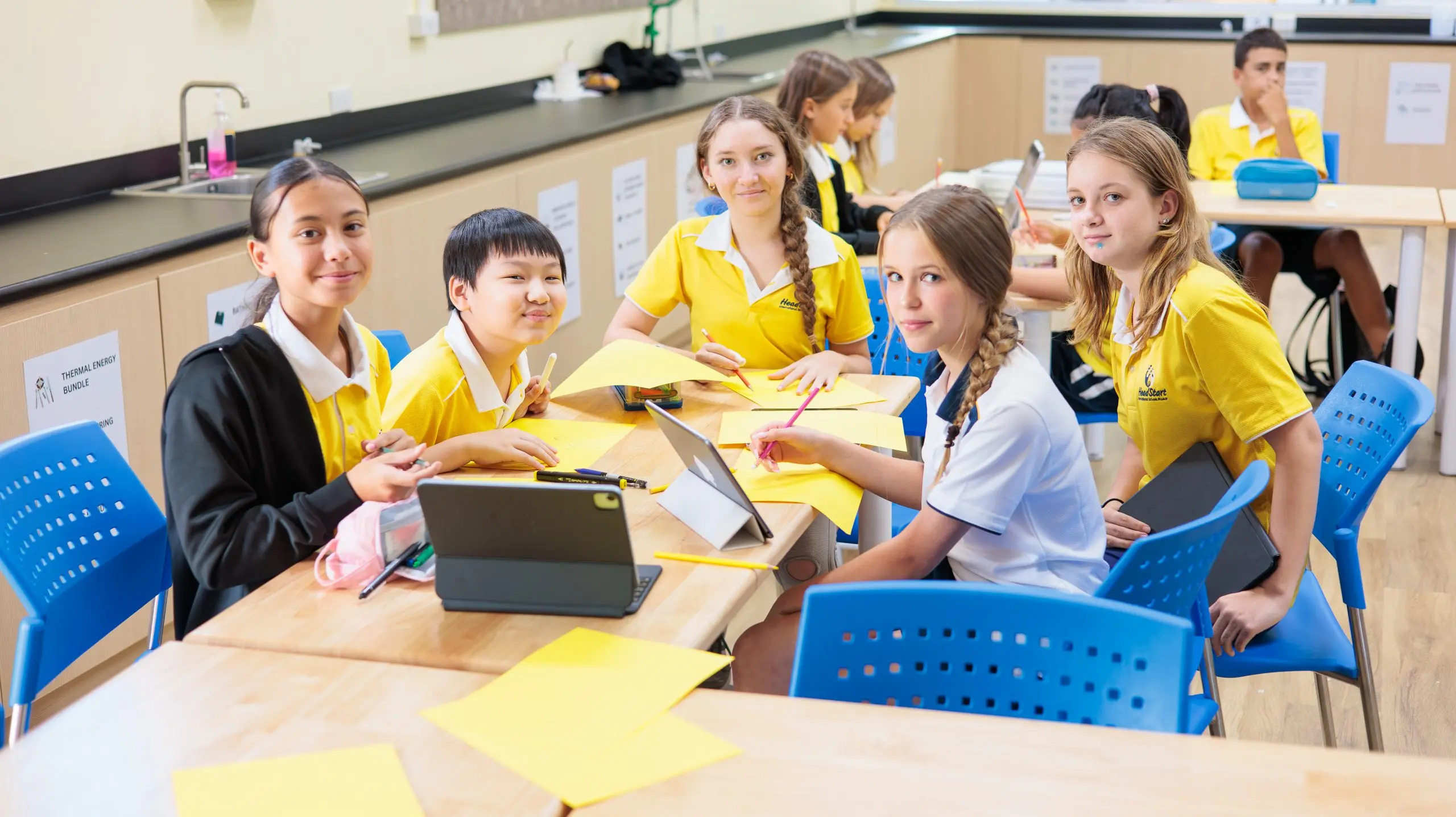
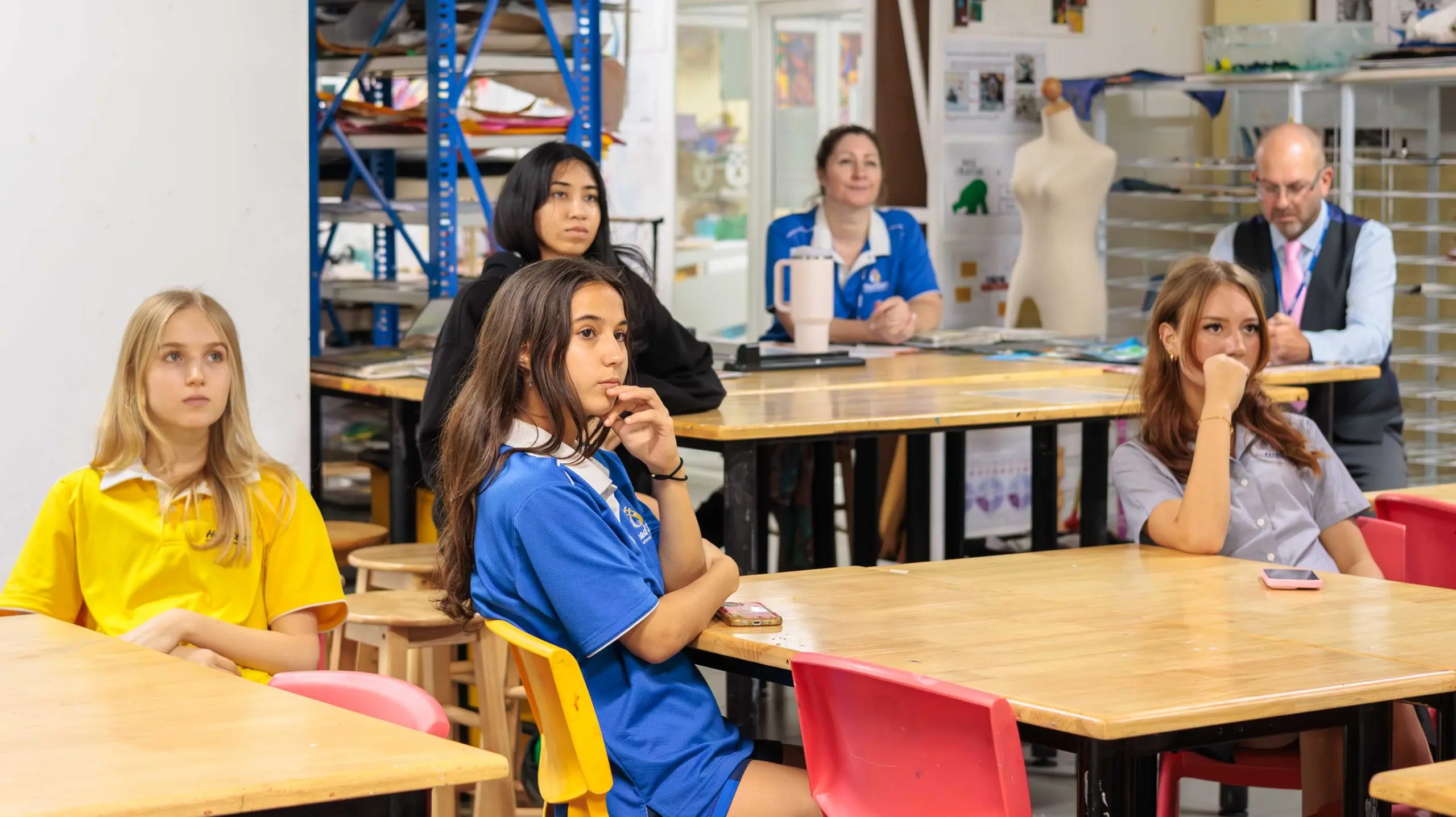
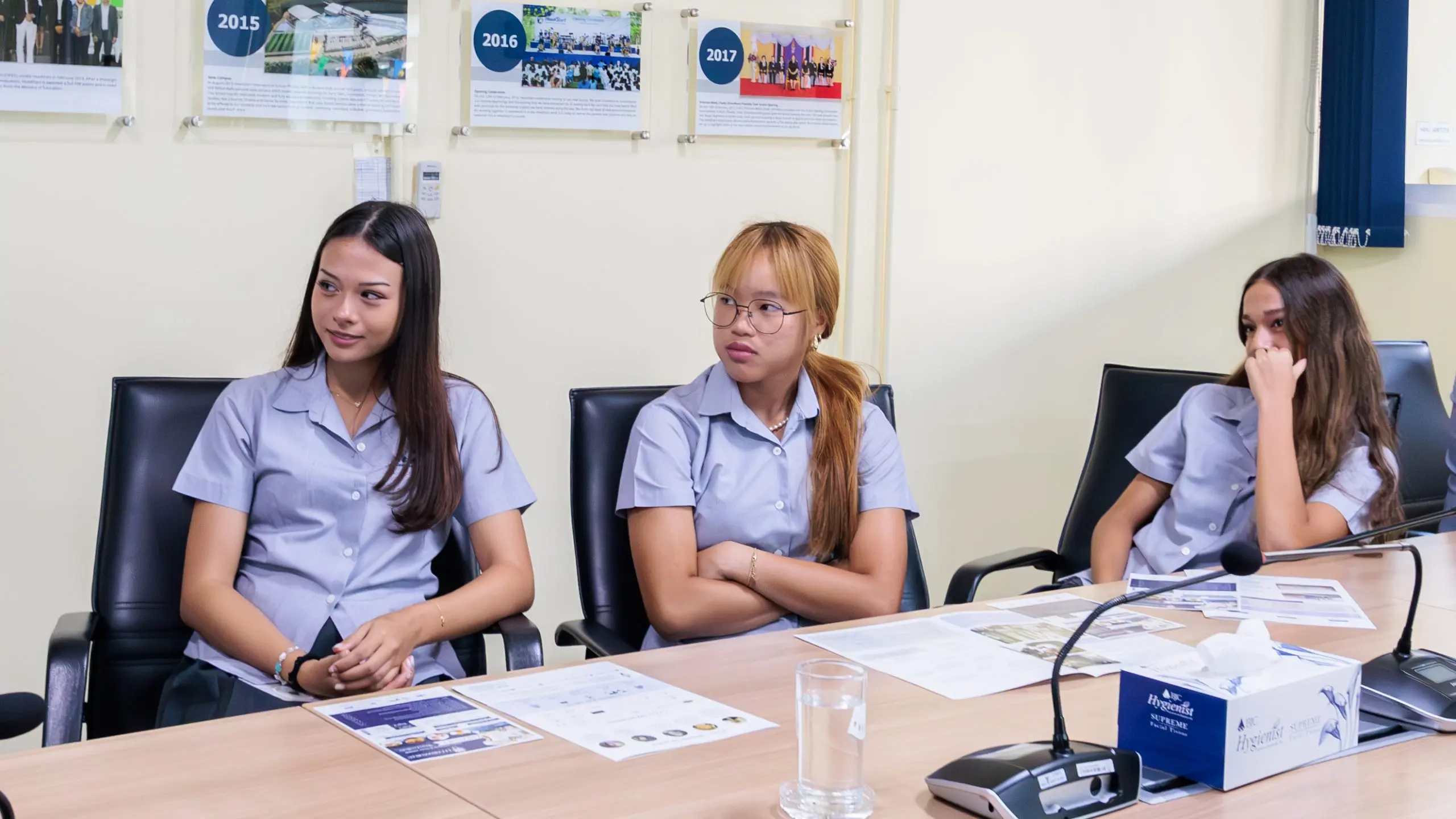
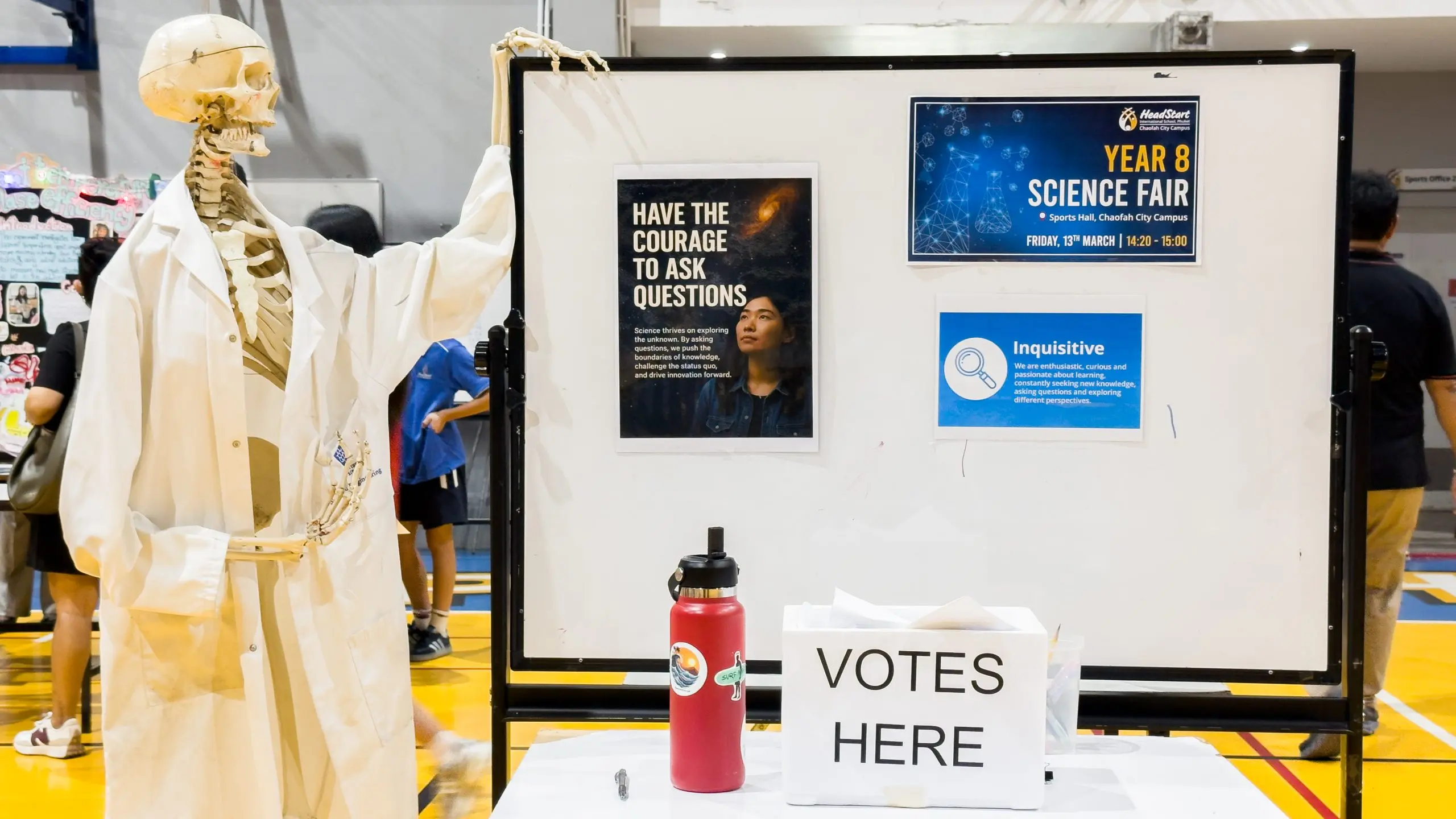
Inspiring a love of learning
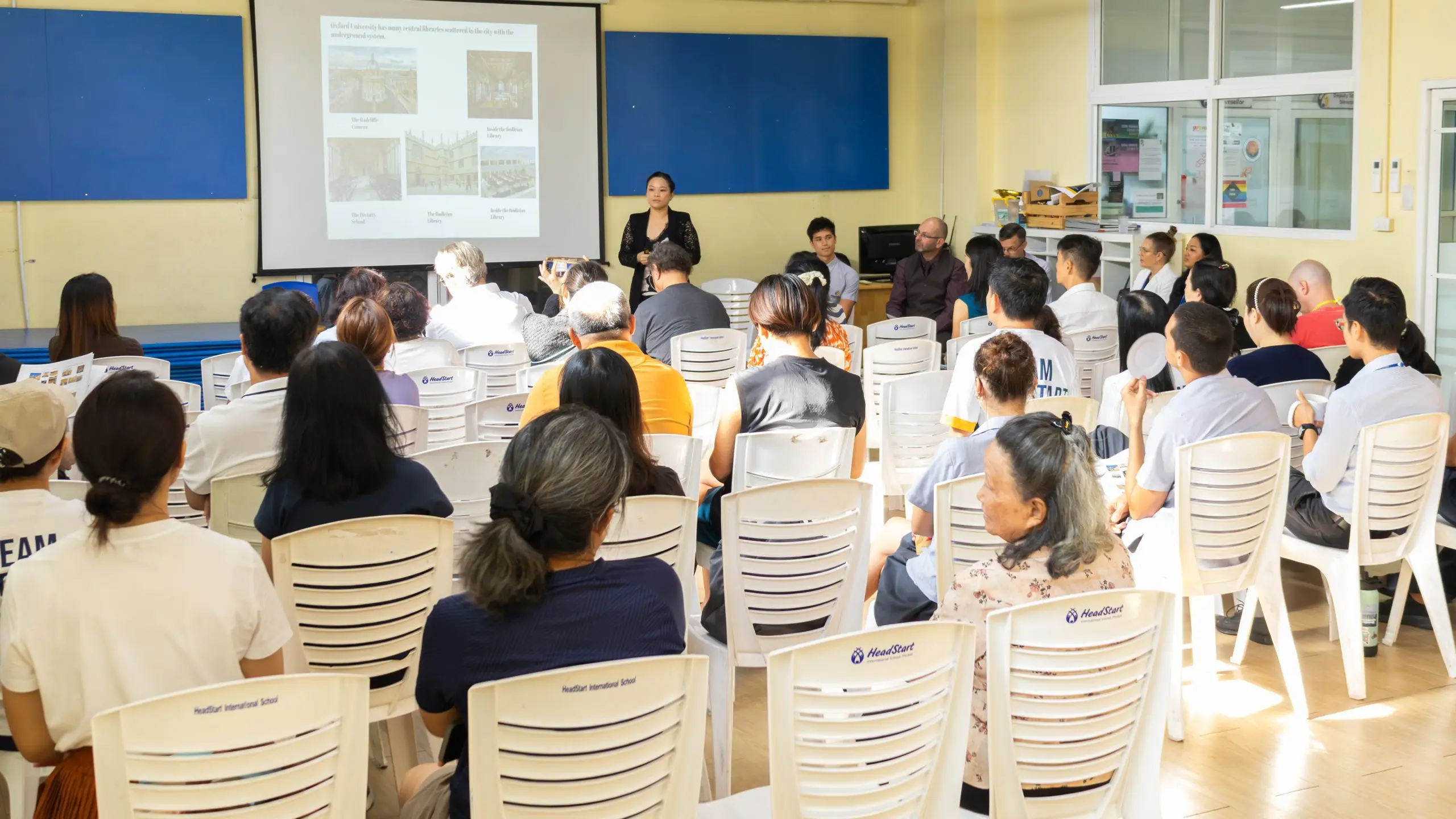
Supporting Families Through Key Transitions
A strong education relies on collaboration between school and family. We actively engage parents through transparent reporting, Parent Committees, and dedicated parent workshops. Specifically, we provide extensive, structured support to help parents navigate the complexities of Sixth Form choices and global university applications alongside their children.
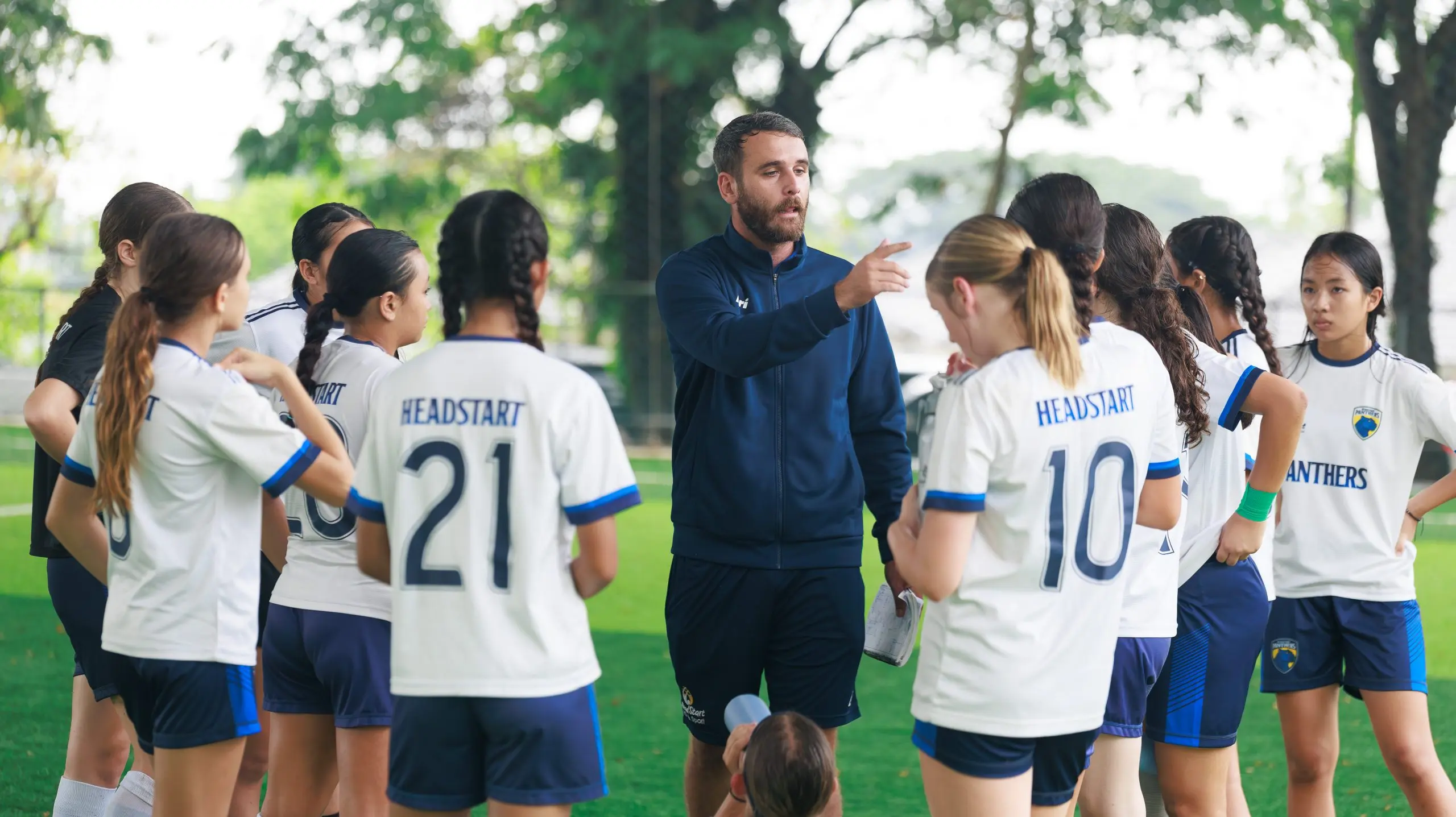
Extensive Extracurriculars & Academies
Secondary education thrives both inside and outside the classroom. Through our comprehensive ECA and Academy programmes, students access dynamic opportunities in competitive sports, the creative arts, computing, and languages. Alongside initiatives like Model United Nations (MUN) and the World Scholar's Cup, they can actively pursue their passions and develop new talents.
Student Leadership & Mentorship
We empower students to actively shape our school community through the Student Council and Head Boy and Girl positions. These young leaders build valuable portfolios and essential real-world skills by mentoring younger peers, representing student voice in school decisions, and helping to coordinate major school-wide campaigns.
Navigating Adolescence with Expert Guidance
The teenage years require a sophisticated approach to pastoral care. Our Secondary support network focuses on building academic resilience, managing exam pressure, and developing emotional intelligence. We ensure students maintain high self-esteem and self-efficacy during their most demanding academic years, surrounded by a robust network of teachers, tutors, and learning support.
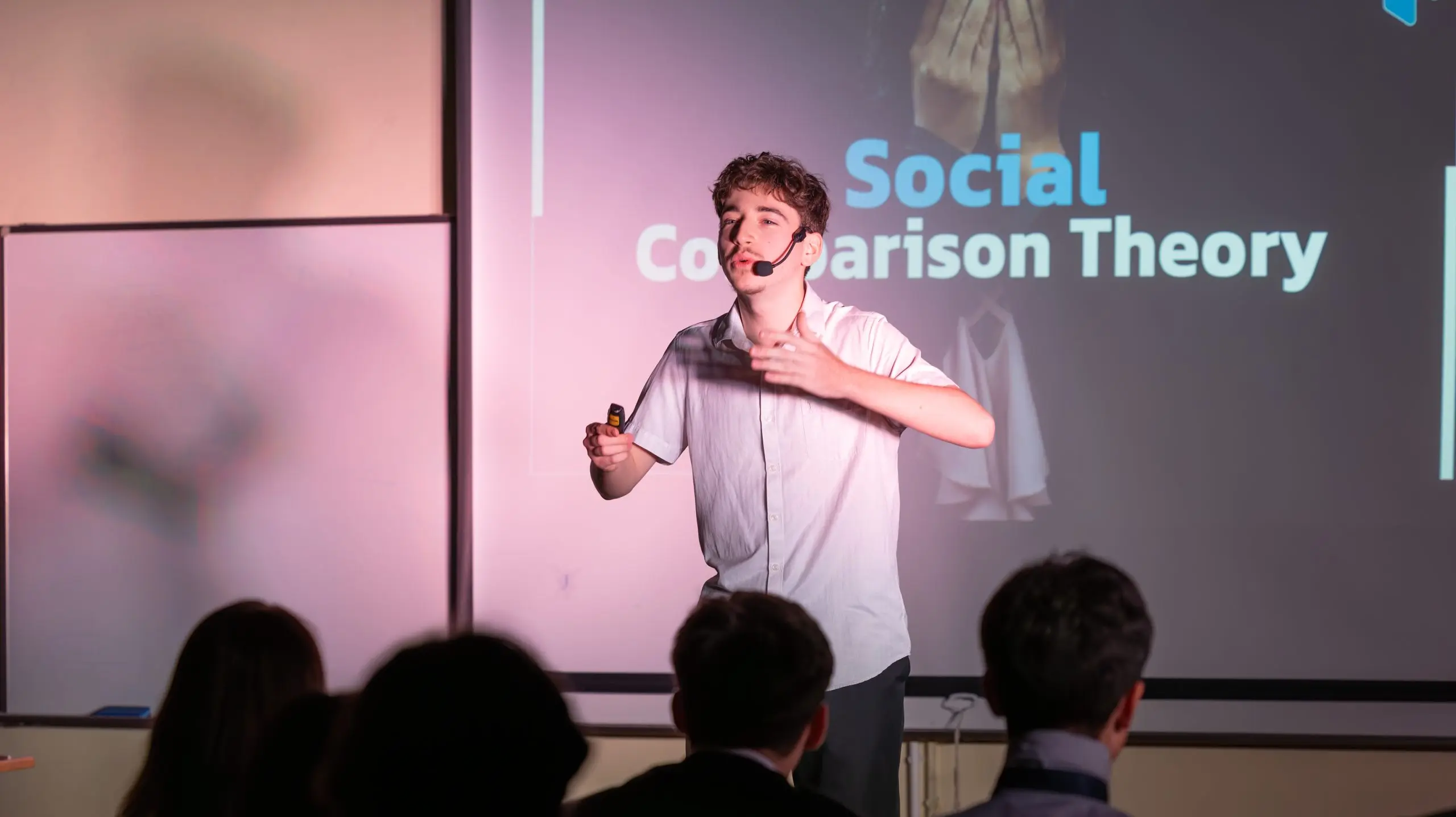
Subject Mastery & Expert Instruction
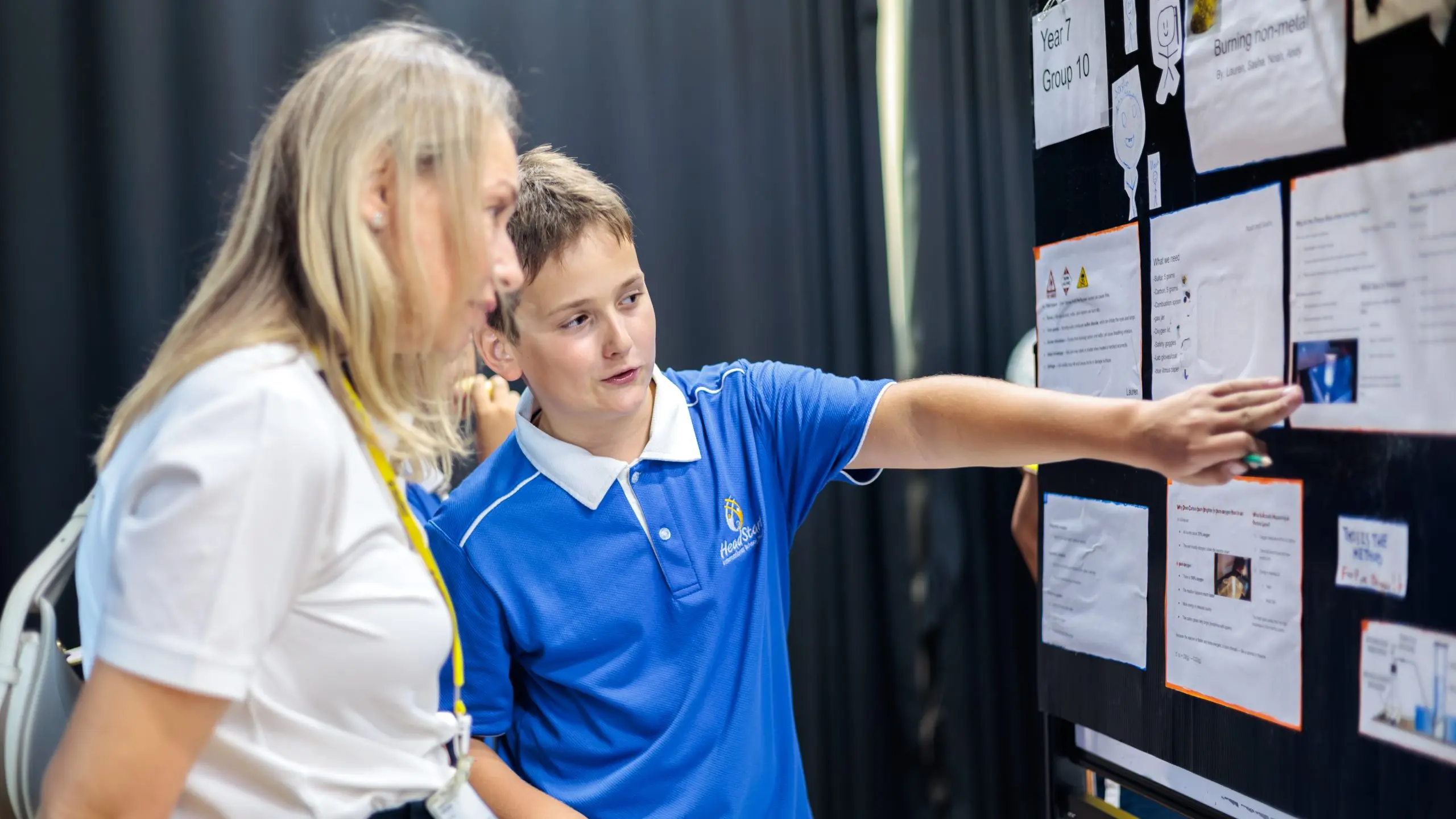
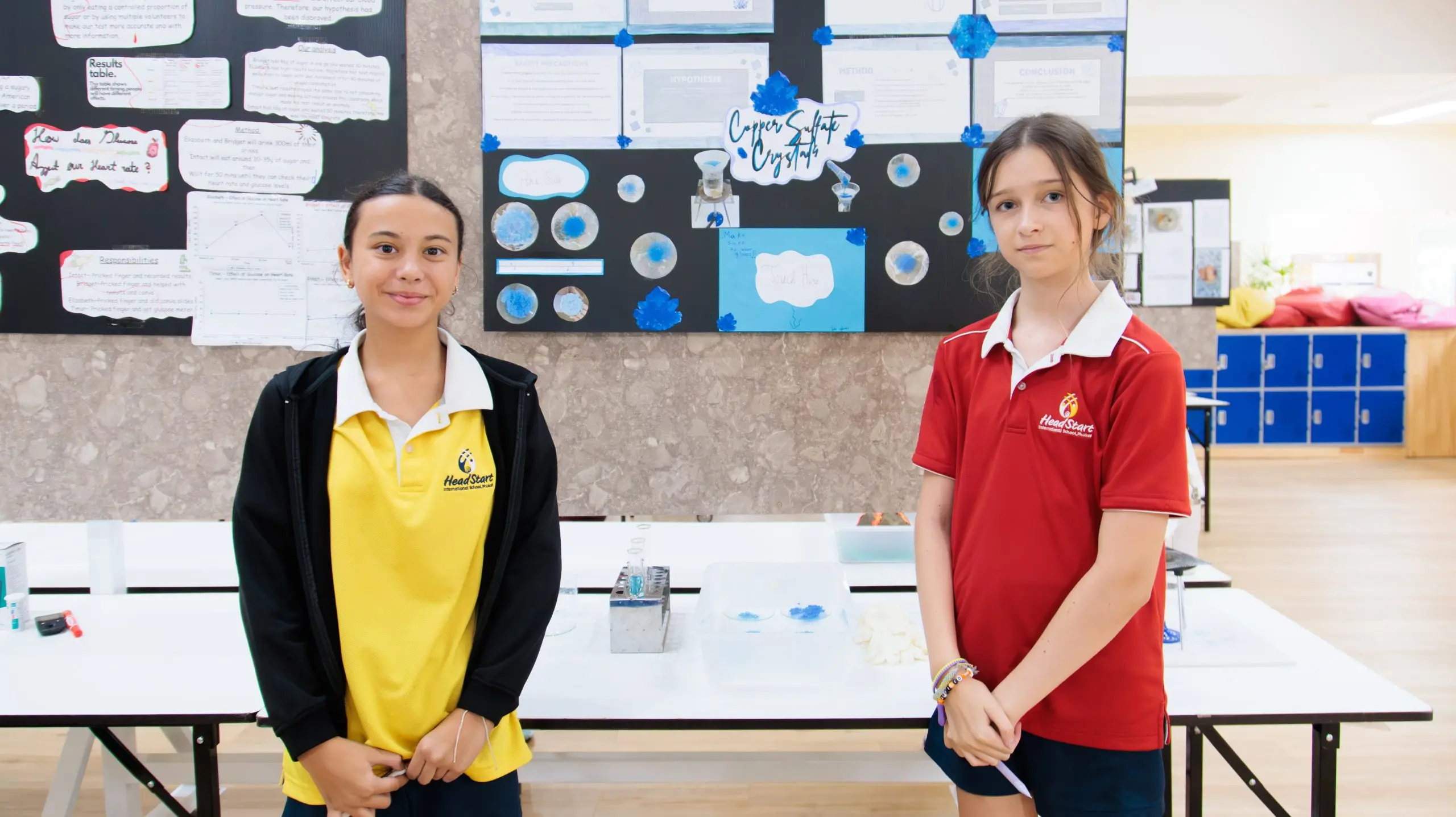
As students progress into Secondary education, their academic needs become highly specific. Our curriculum is delivered by passionate, subject-specialist teachers within state-of-the-art, purpose-built facilities. From fully equipped science laboratories to dedicated design and creative studios, we provide the elite resources and expert guidance necessary for students to master complex subjects and excel.
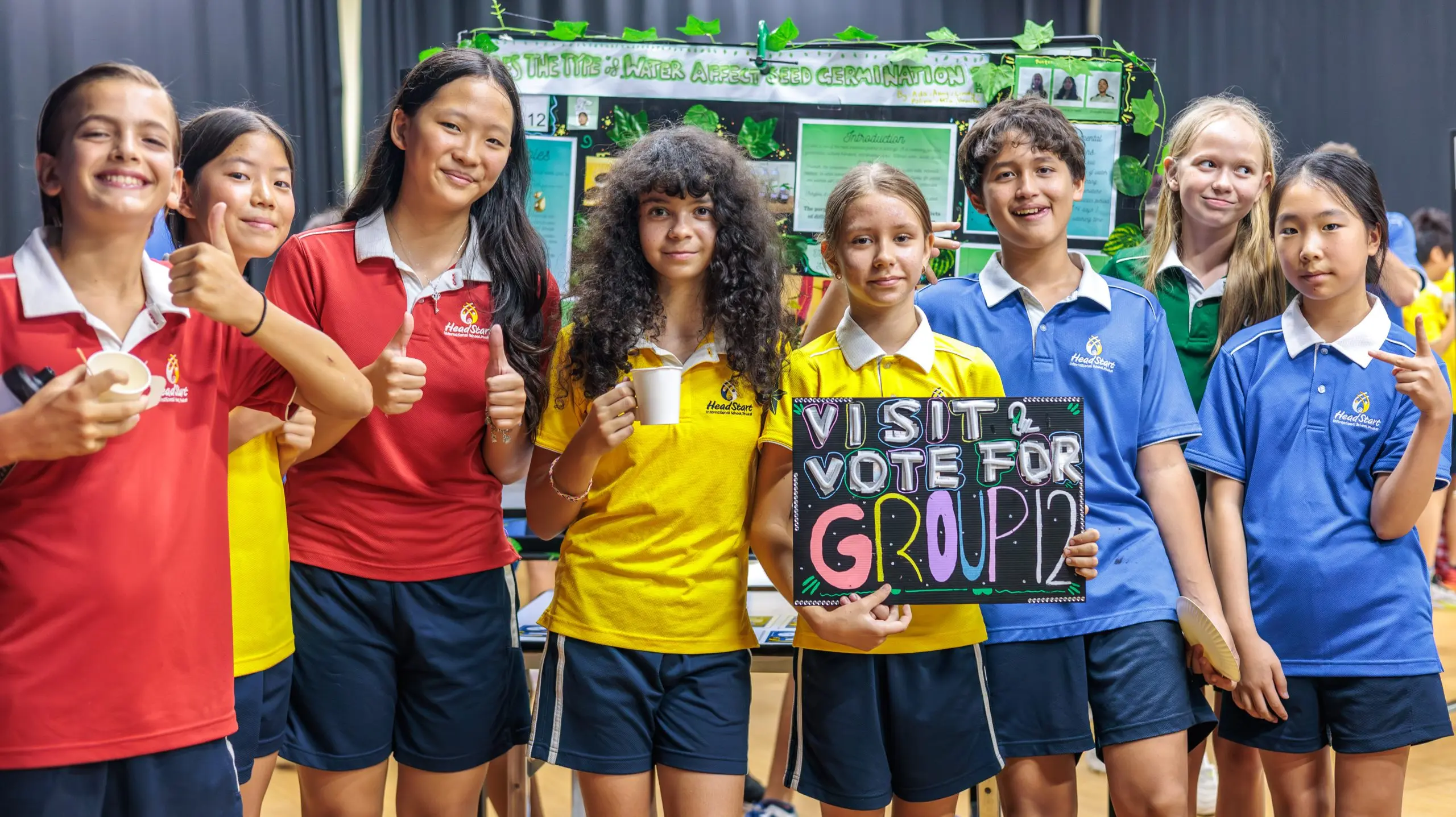
Forging Character Through Action
We believe that true character is often forged beyond the classroom walls. Through robust outdoor education programmes—including the Duke of Edinburgh's International Award—and dedicated community service initiatives, students are encouraged to step outside their comfort zones. These hands-on expeditions and charitable projects build vital grit, resilience, and a profound sense of social responsibility.
GL Progress Tests
GL Progress Tests are used at the end of each academic in Year 7 – 9. The tests are used to measure attainment in English, Maths and Science. These assessments are then used at the end of the year to measure progress, and then year-on-year as a longitudinal measure.
The tests are marked by GL Assessments and provide schools with an external international benchmark for student performance. GL Progress Tests enable feedback to be provided on a learner's strengths and weaknesses in key curriculum areas.
Feedback of this kind is an invaluable source of information. We will be able to make strategic decisions, drawing upon a pool of information and specialist reporting tools built into GL Progress Tests.
Homework
Homework is an important aspect of the curriculum at HeadStart. Your child will be given a homework timetable at the start of the year which is intended to provide a structured framework that will support students in their development of well-organised work and study habits.
The main system of communicating the homework to parents is via the Google Classroom. Teachers will set assignments on the Google Classroom and students will be instructed to check this regularly for details of the tasks they are required to do, along with the deadlines for completion. Students who are absent from school must seek out what homework and classwork they missed whilst off school via the Google Classroom. Absence is not an excuse for incomplete homework activities. Students need to manage their homework schedules appropriately.
KS3 students receive homework in the core subjects; English, Maths and Science. Students studying a first language programme will also receive regular homework. Key Stage 4 students would be expected to complete 60 minutes of homework per week, per chosen IGCSE examination subject. Homework should be handed in at the next lesson or agreed submission date. Year 7 & 8 may occasionally receive additional project work to complete from time to time.
Academic Honesty
At HeadStart, we place a great deal of importance on students completing their own work. Students cannot learn properly if someone else is doing their classwork, course work or homework for them.
We encourage parents to help their children to act in a responsible, ethical and honest manner towards intellectual property and authentic authorship.
Responsibilities of parents
1. Parents should encourage their children to try to do their homework on their own and to write in their own words.
2. Any help given by parents should be clearly stated in writing on the work itself.
3. If a parent knows or suspects that their child has been academically dishonest, then they should inform the school.
Consequences of academic dishonesty for students at HeadStart
All students are expected to follow both the letter and the spirit of this policy. The level of proof required for the school to take action on the grounds of academic honesty is reasonable suspicion and it is the responsibility of the student to demonstrate that they have not acted dishonestly. The consequences for any student found attempting malpractice, collusion, plagiarism or duplication might range from a simple verbal warning to having an examination certificate being withdrawn by the examination board or the school.
Language Options
Students who are Thai would be strongly encouraged to study Thai as a first language. Students holding passports for other countries must choose from the following list of subjects:
- Mandarin First Language
- Russian First Language
- Mandarin Foreign Language
- French Foreign Language.
At the start of the school year, students have the possibility to change the language they study. From week 3, students would be expected to study their chosen language for the remainder of the academic year. Parents may request a change of language using this form here.
EAL
For students identified as requiring additional English support, EAL is a compulsory academic provision integrated into the weekly timetable. This targeted support includes four hours of specialised lessons and mandatory after-school sessions designed to strengthen phonics, decoding, and reading fluency. For full details on fees, curriculum integration, and the 5 Stage Model of Language Acquisition, please refer to the EAL Parent Brochures below.
Student Support Referrals
As a parent you may wish to raise a concern regarding your child’s development and wellbeing. If you do have a concern, please discuss it with your child’s homeroom teacher first. Following that conversation, the homeroom teacher may refer the matter to the relevant Deputy Head.
The Deputy Head will review the concern and if the matter requires additional support, they will discuss it with the Head of Learning Support. The Head of Learning Support may speak to you as a parent and follow the ‘Plan, Assess, Do, Review’ cycle of Additional Educational Needs.
Some students may be referred to HeadStart’s clinical psychologist for further assessment. However, please note these cases must have been reviewed by a Deputy Head, and the Head of Learning Support before being referred to HeadStart’s clinical psychologist.
Our school clinical psychologist also operates a private practice. Please note any referrals made through the school must be made through your child’s Homeroom Teacher first as explained above. All work completed for, at, or on behalf of the school must be approved by a Deputy Head. All other self-referrals by parents are considered a private matter and may incur additional fees to be agreed between the parents and the clinical psychologist.
If you have a safeguarding concern related to your child, please contact a Designated Safeguarding Lead (shown on the school website and on posters around the school).
Care Plans & Special Assistance
The care and safety of your child is of the utmost importance to everyone at HeadStart. Unfortunately, sometimes accidents and injuries do occur. If your child is injured and requires special assistance because she/he has to use crutches, a wheelchair or has limited movement due to a plaster cast on his/her arm or leg, then before your child returns back to school, you must contact the school and make an appointment to meet with the Assistant Head or Pastoral Coordinator of your child’s school section.
The purpose of this meeting is to devise a Care Plan for your child. The Care Plan will highlight your child's needs and ensure that your child continues to be looked after in the appropriate way when at school. The Care Plan also provides clear guidance to everyone at the school regarding practical issues such as what help your child will need when moving classrooms, visiting the toilet and going down to the Dining Hall. The Care Plan remains in place until your child no longer requires any kind of special assistance.
Student Council
The HeadStart student council meets monthly and deals with a wide range of school matters. Each student council member is elected to the post by their Homeroom peers and this provides students the opportunity to influence the way school is run. Student Council meeting minutes are published and displayed by the Head Boy and Girl with the assistance of the Heads of School. Significant agenda points are selected and discussed with the schools’ senior management team by the Head Boy and Girl and then outcomes fed back to the student council representatives. Significant agenda points are also shared with students via a Student Council Display board in the Secondary building.
Head Boy, Head Girl & Prefects
Head Boy, Head Girl and Prefects are appointed by the Principals and Heads of School, through a rigorous application and interview process. The Head Boy and Girl are responsible for representing the school at events, making public speeches and leading fellow students by setting good examples in behaviour and conduct around school, and within the wider community as well as attending meetings to ensure the student voice is heard and considered in the school decision making processes. Prefects can become heads of various committees and support all student led events and activities throughout the school.
HeadStart Houses
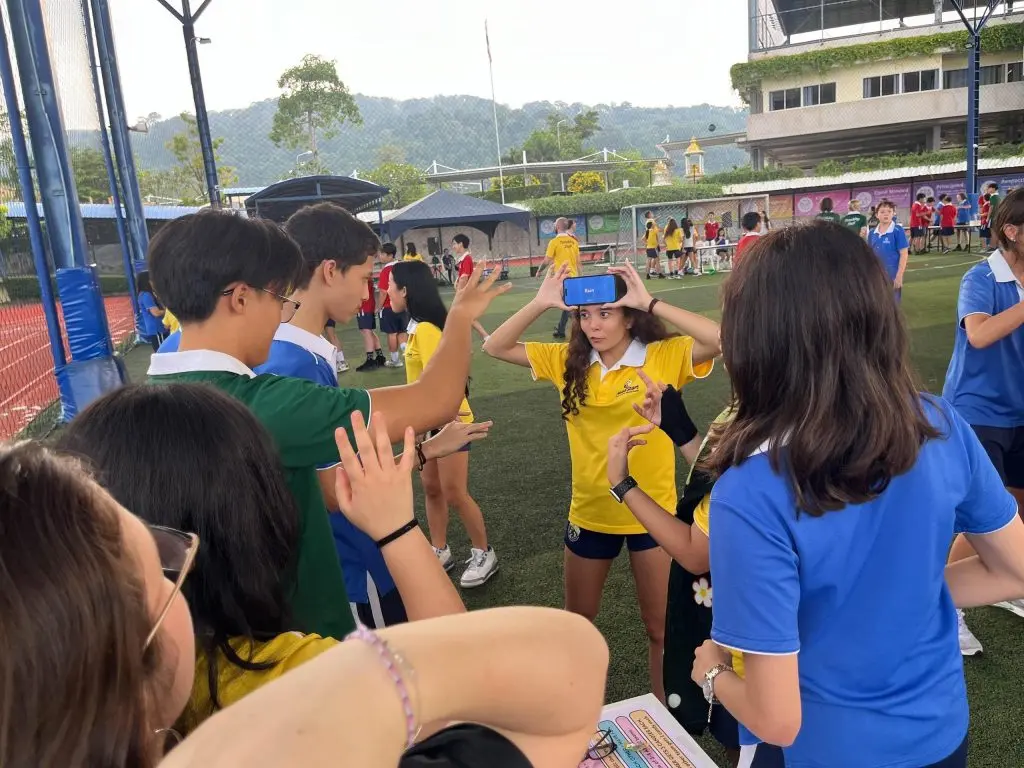
Students and teachers are entered in one of four HeadStart Houses. The Houses are: Red-Phoenix, Yellow-Cheetahs, Green-Dragons and Blue-Tigers.
Siblings will always be assigned to the same House and the students will remain in that House for the duration of their school life at HeadStart. House events are held weekly throughout the year and students can earn merits called “House Points” for their team. Every Friday is House shirt day where the whole school must come dressed in their House shirts.
House Points
House Points are awarded to individual students for acts ‘above and beyond’ normal expectations. This might include; consistently great effort in class or going out of your way to help another student. House Points for individual students may be viewed in the parent portal. These are combined towards the end of year house total.
The School Library
All students are issued with a personal bar-coded card, which they can use to borrow books from the library. The Library offers quiet and relaxing reading areas. There is a librarian available to help, give advice and support learning. The School Library is a quiet area and as such, mobile phones should not be used in the library.
Parents may use the library with their children between 07:30 to 08:00, and after school from 15:20 to 16:30.
| Campus | Location | Opening Hours |
|---|---|---|
| Chaofah City | Ground floor of the school | 07:30 to 16:30 |
| Cherngtalay | Second floor adjacent to the sports hall | 07:30 to 16:30 |
Attendance and Absence
In the event of any absence e.g. sickness, parents should email the homeroom teacher and the relevant school secretary as soon as possible, including a reason for the absence, to keep teachers informed of their child’s condition and whereabouts.
The school year is not less than 180 days long. The teaching days are full and intensive. It is therefore important for attendance to be as near to 100% as possible. We would like to ask for your continued support in achieving this.
Students with less than 80% attendance can be asked to repeat the year, according to Thai law.
Drop Off and Pick Up
Students are permitted to commute to school via their own transportation and park on the school premises provided they are of legal age and hold the appropriate document to ride / drive said vehicle.
Students are permitted to use their own vehicle on the school campus provided they have the following documentation and abide by Thai law:
- A full Thai Driving Licence appropriate for the use of their vehicle
- Valid insurance and tax for said vehicle
- Appropriate safety equipment such as helmets for motorcycles.
- You cannot drive a car until you are 18 and you require a temporary car licence.
- You cannot drive a motorbike until you are 15 and you require a temporary motorcycle licence
- At 15 years old you can drive a motorcycle up to 110cc
- At 18 years old you can drive a motorcycle more than 110cc
It is the responsibility of parents to ensure that the child has all the necessary valid documentation and licences to use their vehicle to commute between their residence and school.
When students legally drive / ride their vehicle onto school premises, they must ensure they are courteous, driving / riding respectfully and safely, and wearing the appropriate attire. If a student is found not to be following these instructions, they will no longer be permitted to park their vehicle on the school premises. In such events, you as their parent will be contacted to inform you of this decision.
Parents can, and should;
- Encourage young people to do all of the above and abide by the rules of the road.
- Never let your child drive or take a ride in a vehicle that they or the driver are not legally able or competent to drive.
- Ensure that your child is competent and can handle safely, any vehicle that you allow them to ride.
- Make sure that your children wear a strapped, good helmet and other protective clothing when riding on a motorbike as a driver or passenger.
- Not let your children be on motorbikes late at night, in the early hours of the morning, or when road conditions are treacherous.
In addition to the above, we strongly recommend that if you are allowing your children to drive a motorbike or car, they get the best training you can for them. We would recommend the courses that are offered at the Honda Safe Riding Centre on the Island as an excellent way for young people to learn how to control a motorbike Honda Safe Riding Centre. We are aware that it can be quite confusing at times to be sure of what is legal and what is not in terms of driving statutes in Thailand and that some young people and families may be unaware of what they can and can't do in terms of driving laws.
Student and Parent Access to School
Except for attending meetings or events, parents are allowed on the school site before school starts and up to 9.30 am, when they should leave the site unless they have a specific meeting or event to attend. They should not enter or interfere with any student learning, or be in or around teaching spaces. Parents can return to the school site from 2.30pm but again they should not interfere with any student learning or be in or around teaching spaces until after ECAs have finished.
Secondary students are allowed to be on site after the school day has finished without direct supervision Monday – Friday until 6.00 pm, after 6.00 pm they must leave the site unless they are under the direct supervision of a member of HeadStart staff or if using the Fitness Gym with a parent. At any other time outside of school hours, including over the weekend, students that want to come onto site must be under the direct supervision of a member of staff, or accompanied by a parent, for an approved activity.
During the school holidays (not term time) students and parents should only be on site if attending a meeting or supervised by a member of staff.
School Bus Procedures
The school operates bus services to different parts of the island in the morning and afternoon. Full details, including routes, times and fees are available at the front office and on the website.
All HeadStart buses are equipped with seatbelts, which students must wear at all times, and a supervising adult will be present at all times.
For more information, please visit our transportation page: https://headstartphuket.com/resources-and-information/transportation/
Safeguarding
At HeadStart International, the safety and well-being of every child in our care is our highest priority. We are committed to providing a secure, supportive environment where children feel valued and protected. Safeguarding is integral to everything we do and is at the heart of our school ethos.
Our safeguarding policies and procedures ensure that children are safe, supported, and able to thrive. All staff are trained in child protection and recognise their responsibility to identify and respond to any concerns about a child’s welfare.
We work in partnership with parents, carers, and external agencies to promote the physical, emotional, and social well-being of all children. If you have any concerns, our Designated Safeguarding Leads, Annie Cusworth is available to offer support and guidance. Together, we can ensure that every child is safe, happy, and empowered to learn.
Safety on School Trips
In the interest of student welfare the school reserves the right to refuse inclusion of individuals on field trips if they are deemed emotionally vulnerable, or if they pose a potential risk to themselves or others. The reasons for exclusion from the trip will be discussed with parents and students and communicated in writing prior to the trip. In certain cases, the school may insist that an additional member of staff attends the trip to support individual students. This is at the school’s discretion and is intended to ensure a student’s emotional and physical wellbeing. Any extra costs pertaining to this provision will be chargeable to parents.
Extra-Curricular Activities (ECAs)
HeadStart’s Extra Curricular Activities Programme offers a range of enriching subjects. These include sports, arts, clubs, foreign languages as well as academic provision for students who need support or are nearing important exams. Full details of the courses offered, the ECA calendar and the sign-up procedure is available on the school website. ECAs run from 15:30 – 16:20 Monday to Thursday, and from 15:10 – 16:00 on Friday.
Nursing Provision
Auxiliary nursing care is provided at the school by trained nurses. If there is any cause for concern regarding a student’s health, a report is sent to the parent or guardian. If a student has to be admitted to hospital, the school nurse will inform the parent or guardian immediately.
Medication at School
If you send your child to school with any form of medication, the school nurse and the homeroom teacher must be informed. Students should store their medication with the nurse and have it dispensed by our nursing staff only; no self-medication is permitted at HeadStart.
Sickness
As parents, you do not want your child to miss school, but you do not want to send a child to school sick and put them and other children at risk. Fever is an important symptom. When it occurs along with a sore throat, an earache, nausea, listlessness or a rash, your child may have a condition that could be contagious. Therefore students must be fever-free for a full 24 hours (with no medication), before they can return to school.
A fever is defined as having a temperature greater than 37.5ºC. We ask that parents promptly retrieve their children from the Nurse’s Office when they are notified of an illness.
Food & Snacks
We believe that a healthy balanced diet is the foundation of a successful academic life. We therefore strive to serve natural, low-sugar-and-salt meals with the freshest possible local produce. School lunches are compulsory for all pupils, unless there are special dietary requirements for medical, religious or cultural reasons that the school cannot provide. In such cases, permission to bring their own lunches to school must be sought from the appropriate Head of School (please send a letter and any supporting documentation i.e. medical certificate).
Snacks
We would like to encourage parents to only send their children to school with healthy snack options. Snacks are quite often shared between friends, and we don’t want students to eat snacks that their parents would not allow. Students would only be allowed to open snacks of candy or chips for example after school. After 3.30pm, students should not leave the back of school to visit the small snack shops and stalls. The road is dangerous. The school provides a snack canteen for your child on campus.
Food Service Committee
The Food Service Committee is a group of people who represent HeadStart’s community: students, teachers, parents and professionals. They meet once at the end of each school term to discuss any important questions, suggestions or complaints. They make decisions together with the Chef, about the menu/nutrition and quality of the food service, as well as make suggestions to the management for improvement.
To contact the Food Service Committee, you can email [email protected]
Physical Education Including Swimming
If a student is injured, ill or cannot participate in a PE lesson, the parent / guardian must write a note/email explaining the reasons why the student should not participate in the PE lesson and the note should be given/sent to the PE teacher, via email or through the Parent Portal. The PE teacher will keep a record of these exclusion notes and will inform the Head of Faculty / PE Coordinator.
Injured students may still take part in PE lessons at an appropriate level and in an appropriate role. Students should bring their PE kit to change into if requested by the PE teacher. Students who do not participate in PE lessons may still be expected to physically remain with their class in the appropriate sports area and may be requested to participate in other appropriate activities supervised by the PE teacher and teaching staff.
Where students do not have notes from a parent/guardian, they will be asked to obtain a medical note within 24 hours and give this to the PE teacher. Failure to do this will result in the PE teacher contacting parents / guardians to request the medical certificate.
Students that persistently fail to follow the above points may be given a detention and the Deputy Head / Head of Faculty will be informed. In cases where a student has been given 3 exclusion notes from a parent/guardian, parents may be asked by the PE Coordinator or the Director of Sports to provide a doctor’s note or medical certificate.
CCTV Policy
CCTV cameras are used to record daily operations and activities throughout the school property to help ensure the safety and security of our students and community.
The Administration Team, the Head of Security and certain members of the schools Senior Management Team can access CCTV records.
CCTV cameras have also been placed in the restrooms. These are carefully positioned to ensure they only monitor the public areas of the restrooms and do not see into any cubicles. The footage from these cameras is locked and secure and can only be accessed by the IT Director. Security staff and members of the leadership team who have access to the CCTV system for the main campus cameras, do not have access to the cameras in the restrooms.
In order to view the restroom footage, formal permission must be obtained from the School Director, Headmaster or a Principal. ln the event that permission is granted, the IT Director will extract the requested images from the CCTV system and ensure that the images are shared with the designated member of the Senior Management Team of the same gender as the restrooms. Access is tightly restricted, and all CCTV footage is automatically overwritten and deleted after two weeks.
If a parent feels that they need to request access to CCTV footage, the parent should obtain a CCTV Request Form from the Administration Office. This will then be given to the appropriate Head of Pastoral Care (Deputy Head of Foundation, Primary or Secondary) or the School Director.
The decision on whether or not the parent should be shown the footage; which segments they should be allowed to see, and whether still images or video should be shown, rests with these nominated persons.
Except in the case of an emergency, the above process may take up to 72 hours following the request from the parent being submitted. Under no circumstances will parents be shown CCTV footage until permission has been granted by the relevant Deputy Head, or the School Director.
In the case of ‘Lost Items’ and help with locating them, the Head of Administration can authorise the review of CCTV footage in order to support finding these items.
If permission is granted to access CCTV footage, parents may view the footage, but under no circumstances will they be allowed to record it, or be given or sent a copy of it.
Security
All parents collecting their children from school should have a security pass, which is available from the front office. Parents may also nominate a responsible adult to pick their children up on their behalf. They should also have a security pass.
If you are unable to collect your child and you have arranged for someone else to collect them, you must inform the Homeroom teacher and front office and include a photograph of that person or a copy of their identity card. Failure to do so will result in us phoning you in order to receive confirmation before we will allow your child to leave the school premises.
Electrical Failure Policy
If there is a power cut at the school for any reason, the front office will telephone the power supplier for further details. The school has been designed in such a way that it can still operate in a safe way in the event of a total electrical failure. The school has ample tanked water supplies, which ensure that toilets and hand basins remain operational.
The school has a back-up electrical generator, which will supply enough power to ensure that classrooms are safely lit and ventilated and thus allows lessons and normal school activities to continue as scheduled.
Photography Policy
Parents are only allowed to take photographs at birthday parties and at sporting events except swimming galas. Photographs are not allowed to be taken at any other time. If in doubt, parents should request permission from the appropriate Head of School.
Behaviour Policies
HeadStart’s underlying approach to managing student behaviour is based on the expectation of active, mutual respect for all. Our students and teachers are expected to demonstrate respect for themselves and for each other. Lapses of respectful behaviour and differences between individuals or groups are resolved using a restorative approach, which aims to “set things right”. Repeated failure to respect others or behaviour which is damaging to others and is considered serious enough to make restoration inappropriate or impossible, will be communicated to parents and may result in a student’s enrolment being terminated, at the direction of the CEO and in consultation with appropriate staff.
All behaviour is considered on a case-by-case basis and individual needs are taken into account. Although the School attempts to understand difficult behaviour and make reasonable adjustments for behaviour symptomatic of disability, it does not accept persistent transgression or endangering the wellbeing of other members of the HeadStart community.
Guidelines for responding to student behaviour:
Every effort will be made to:
- Listen to each student
- Seek to understand their behaviour
- Discuss with them the impact their behaviour has on an individual or members of a group
- Encourage the student to take the time to reflect on their behaviour
- Help the student work out how to ‘make things right’ by seeking a resolution
- Support the student through the process of restorative practices
- Acknowledge and put in context all aspects, emotions and behaviours of the student
- Encourage the development of self-discipline
- Establish and communicate clear boundaries for all students
- Foster respectful open, direct and honest interactions with students
- Acknowledge the fact that students often make mistakes
- Establish only those rules which are required for those in the community to operate in harmony and in safety
- Encourage students to accept responsibility for their behaviour through the use of natural and logical consequences
- Engage parents in the process of supporting students
- As teachers, acknowledge, embrace and apologise for our own mistakes
- As teachers believe in shared responsibility for the wellbeing of every student and educate each other by sharing our insights and understandings of students
- Accept the individual differences of each student
- Accept that HeadStart may not suit all students at each stage of their learning and growth.
HeadStart International School has a strict policy of no corporal punishment.
To help students reflect on their behaviour and learn from their actions, all classrooms now have the display below. All of our teachers are consistent with using this warning system in order to allow students to make better choices moving forward.
Our students know the school rules and what these rules look like, sound like and feel like. All staff teach this explicitly. To view the discipline policy and our expectations and culture, click here.
Note: A student may be asked to leave the school at any point if the safety of other children is at risk.
Detentions
Teachers may give detentions over any break time/lunch period. Parents will be notified of this via the Parent Portal. Students will be allowed to eat and have a toilet break before the detention commences.
If an after school detention is given, parents will be given 24 hours’ notice. It is the responsibility of the parent to arrange for the student to be picked up from school after the detention. This will be recorded on Engage as a behavioural incident. Serious breaches of the school rules, or continued poor behaviour will result in parents being called in for a meeting and students being part of an improvement contract. This will also be recorded on Engage. Students regularly receiving detentions may be suspended or excluded.
Student Improvement Contract
If there are repeated issues with any student who has been disruptive to the teaching and learning process at the school, the management has the option to put the student on a weekly report.
The report is designed to help the student focus on improvement in every lesson.
The student will report to the Head of Faculty, Pastoral Coordinator or Deputy Head of Secondary at the start and the end of each school day, with the report correctly filled out by teachers, parents and the student. Failing to do this will be a breach of the contract.
If the student completes the report successfully, then they will be taken off the report. If there are any lapses after the report then they will be required to complete a further weekly report period.
If the student completes this second report successfully then they will be taken off the report. If there are lapses after the second report then they will be required to complete a third and final report/contract period. After successful completion of the third reporting period, the student will be taken off the reporting system. Any further lapse will be considered as a breach of the student / school contract.
During the reporting periods, any misconduct in school will be considered a breach of the contract. The student will be immediately referred back to the appropriate Head of School for further sanctions.
The final decision regarding the permanent exclusion of a student from HeadStart will be made by the School Board. It is clearly understood by all parties that being placed on a final report/contract is a final warning. No further warnings will be issued.
The student improvement contract must be signed by the parent, the student and the Deputy Head.
Student Relationships
At HeadStart we understand that students will form relationships with other students. In Thailand, and in school, it is considered bad manners for students to hold hands, cuddle or kiss in public. Any inappropriate signs of affection or amorous behaviour will be dealt with as a stage two disciplinary issue with an appropriate sanction applied and recorded on the student’s file.
Cyber-Bullying Policy
HeadStart School embraces the advantages of modern technology in terms of the educational benefits it brings, however the school is mindful of the potential for bullying to occur. Central to the School’s anti-bullying policy is the belief that all pupils and staff have a right not to be bullied and that bullying is always unacceptable. The School also recognises that it must take note of bullying perpetrated outside school, which spills over into the School.
Definition of Cyber-bullying:
Cyber-bullying is an aggressive, intentional act carried out by a group or individual using electronic forms of contact repeatedly over time against a victim who cannot easily defend himself/herself.
By cyber-bullying, we mean bullying by electronic media:
- Bullying by texts, messages or calls on mobile phones
- The use of mobile phone cameras to cause distress, fear or humiliation
- Posting threatening, abusive, and defamatory or humiliating material on websites, to include blogs, personal websites, and social networking sites
- Using email to message others
- Hijacking/cloning email accounts
Whilst education and guidance remain at the heart of what we do, HeadStart will take action against those who take part in cyber-bullying.
If you think your child is being bullied in, or outside of school, please contact the school. The Homeroom teacher and Pastoral Coordinator should be your first point of contact.
Drug Policy and Procedures
Introduction and background to the policy
As a school, we want our students and their families to live safe and drug free lives, especially during term time. Our drugs policy is embedded within our Pastoral Care department, allowing us to exercise discretion and thus making it more likely that students who need help will come forward and seek help. We carry out whole cohort testing of students from Year 9 to Year 13 at random times during the year. All students must comply with the request for a urine sample.
Definition
- All illegal drugs (those compiled by the Narcotics Control Act 1976), including vaping
- Volatile substances/solvents (those giving off a gas or vapour which can be inhaled) for example, ketamine, khat, kratom and alkyl nitrates (known as ‘poppers’)
- Misuse of over-the-counter and prescription medicines and so-called ‘legal highs’. In this document, the word ‘drug’ applies to all of the above.
Approach and scope of policy
Our approach is based on education and a strong disciplinary framework: drugs education (mainly through PSHE, science, homeroom and Pastoral Care) explains the risks (to students’ health and well-being) of involvement with drugs and thereby aims to create a culture that enables the individual to make educated decisions about the experimentation and misuse of drugs.
Drug use and membership of HeadStart School are incompatible. Any student involved with the possession, selling or misuse of drugs on or off school premises, during holidays or during school time, will have to undergo mandatory testing and counselling. A reported offence which takes place away from the school, whether at a weekend or in the holidays, which comes to the school’s attention or is in any way made public in such a way that it brings the school into disrepute, will additionally incur mandatory testing and counselling and possible police involvement.
Implementation of the Drug Policy
The policy will be implemented as follows:
1. Prevention through Education
Students’ education about drugs and substances is primarily delivered through the school’s PSHE programme, Science classes and Homeroom.
2. Counselling, Confidentiality and Support Programmes
Students are encouraged to discuss their concerns and anxieties about drugs in confidence with members of staff or other responsible adults. Any student who comes forward with a drug problem to a member of staff will be offered support in working to reform his or her lifestyle; this will involve agreeing to take part in an individualised drugs testing programme. This also applies if the request for help follows disclosure by his or her parent.
3. Disciplinary Procedures
1. If a student is suspected of taking drugs or being under the influence of drugs at school, the school will exercise the right to require that student to undergo an immediate urine test.
2. Suspicions of misuse may arise from the following indications:
Involvement in a drugs incident; physical signs; other signs or evidence, such as finding certain items of equipment associated with drug use and information received outside the circumstances outlined in paragraph 2; other specific circumstances giving rise to suspicion, such as significant erratic behaviour.
3. Investigation
The Head of School will be responsible for conducting an investigation. This investigation and any accompanying searches of rooms and personal belongings will be conducted in line with the school policy on investigation and searches, parents will be kept informed as far as practical.
4. Testing and procedures following misuse.
If the grounds for suspicion are deemed to be sufficient, a student will be required to take a urine test or other suitable test straight away. In the event of a positive urine test, a second urine test will be immediately offered. In the event of 2 positive tests, parents have the option to take their child to a recognised hospital for a further test at their expense. A positive test result may cause the student to be suspended from school until the 6-hour counselling course has been arranged and paid for. During the course, a drugs test will be conducted where a positive result will be sent to the Board for consideration for expulsion. A further drug test will be conducted at the end of the course. A positive result would be sent to the Board of Directors for consideration for expulsion.
Any student testing positive for drugs twice in one academic year would be grounds for immediate expulsion at the Board of Directors’ discretion.
Consent to testing is explicit in the standard terms and conditions. It is a condition of acceptance of any new student that these conditions are agreed. All returning students implicitly accept this condition with their return to school for the new academic year. Refusal to take a test therefore constitutes a refusal to obey the discipline of the school. An individualised testing regime will involve the use of a range of suitable, industry-standard tests
5. Discipline following misuse
The School Director, at their discretion, may inform the police of details of all incidents involving illegal drugs.
Electronics & Mobile Phone Policy
Device use during school hours
Laptops and tablets may be used in classrooms with the explicit permission of a teacher. The use of any device is permitted only when a teacher specifically asks a student to do so.
The use of personal electronic devices (including mobile phones, tablets, laptops, MP3 music players, smart watches and headphones/similar personal listening devices) is strictly prohibited for all students up to and including Year 13, from the moment of entry to school until the end of the school day (3.20 pm; 3.00 pm on Friday).
In the case of a Primary student attending an ECA after school, the end of the school day is at the conclusion of the ECA.
The use of devices such as laptops, tablets, phones and smartwatches will not be allowed in Primary late pick-up.
For the purposes of clarity, this means devices should be in bags, lockers or cubbies at all times.
Exceptions
Year 12 and 13 students are permitted a reasonable use of electronic devices only within the Sixth Form Common Room during break times and study periods. Devices found outside of the Sixth Form Common Room during school hours will be confiscated.
Where a student needs to use a device outside of the above, they must have permission from a member of the Secondary Leadership Team (SLT).
Bringing Phones to School
Students are allowed to bring devices to school. However, phones must not be used or be visible at any time during school hours, which includes all break times. Devices must be turned off and kept securely in the student's bag.
Confiscation Policy (No Warnings)
Any mobile phone or personal electronic device seen in use or visible during school hours will be immediately confiscated.
Collection of Confiscated Devices
Students may collect confiscated devices at the end of the school day. In cases of repeated confiscation, parents will be required to collect the phone instead of the student.
- Devices confiscated from Primary students and Cherngtalay campus Secondary students will be taken to the relevant Head’s Secretary.
- Devices confiscated from Chaofah campus Lower Secondary students (Years 7 to 10) will be taken to the Lower School Secretary.
- Devices confiscated from Chaofah campus Upper Secondary students (Years 11 to 13) will be taken to the Upper School Secretary.
The school is not responsible for any damage that may occur to a device while it is under confiscation. Students are solely responsible for the safekeeping of their devices at all times.
Essential Communication/Contacting Home
Primary students needing to contact home should follow the established procedure, which requires an approval slip to be signed by the homeroom teacher, and telephoning home via the main school office.
Secondary students needing to contact home during school hours must do so via the appropriate Secondary school secretary.
Payments
School Cafe Payment
Students will only be allowed to make cash payments in the cafe.
School Uniform
Students must come to school in the correct and appropriate uniform at all times. Students may not wear sandals, crocs or flip flops to school. As children grow, new uniforms should be purchased to ensure a correct modest fit. The school uniform should not be altered or tailored to change the style or shape. All items of uniform should be labelled with the student’s name in some way.
School uniforms in a range of sizes can be purchased from the school shop. The school shop may arrange to tailor items to ensure a correct fit. All students are required to have a House shirt to wear on Fridays and on occasions when activities or events are House based.
Parents should ensure that their child is appropriately dressed for school. In all cases, the Senior Management will be the final arbiters in determining if the uniform/dress code is being infringed or not. Parents will be asked to collect their child from school if a student does not comply with the school uniform policy.
Uniform for Secondary girls
The standard uniform for girls is a blue cotton shirt with HeadStart logo and a beige knee length skirt or skort (of modest knee length). Skirts should not be altered or rolled up to change the length. Shoes should be flat and have both a closed toe and closed heel. High heels or platforms of any kind are not permitted.
Uniform for Secondary boys
The standard uniform for boys is a blue cotton shirt with HeadStart logo and beige knee length shorts. Shoes should have both a closed toe and heel. Shorts should not be altered to change the style or length.
Sports (P.E.) kit for Secondary students
Students should only wear their PE kit on days when they have PE lessons. Homeroom teachers will be checking this with their classes each morning. Academy sports kits are not school uniform and should not be worn instead of P.E. kit. Academy students should change into their Academy kit after school. All shorts should fit appropriately, and not be skin tight. They should be comfortable, appropriate, and suitable for physical activity.
BTEC Sport and IGCSE P.E. students should change into their BTEC/IGCSE polo shirts for their practical lessons. BTEC students may wear their BTEC Polo shirts to school.
For girls and boys
The standard sports kit for both girls and boys is a white sports polo shirt with HeadStart logo, dark blue knee length HeadStart shorts, socks and running shoes, or sports trainers.
For swimming
There is no formal uniform swimsuit for either boys or girls. Students must wear suitable swimming attire. This may be in a variety of styles, including covering legs and arms. Bikinis and other revealing swimsuit styles should not be worn. A swim cap and goggles are required.
School hoodies for Secondary girls and boys
It is recommended for students to purchase a HeadStart hoodie to wear in school. No other type of jacket, hoodie or sweater is allowed.
Uniform for Sixth Form students (Years 12 and 13)
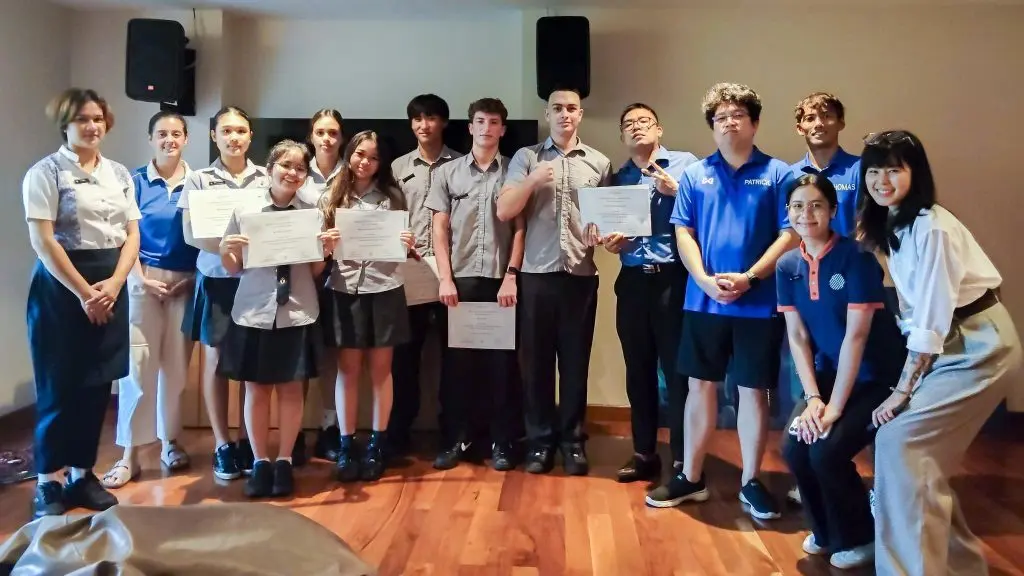
Sixth Form students wear a different uniform in order to distinguish them from the rest of the Secondary students. The standard uniform for boys and girls is a grey cotton shirt with HeadStart logo (tucked in if unfitted) along with grey trousers (and belt) or skirt (of modest knee length). Sixth Formers may also wear the school jacket or hoodie. No other tops or sports jackets are allowed to be worn anywhere in school. A HeadStart tie must be worn for formal occasions and events as directed by School Management. Only closed toe predominantly black shoes or sneakers/trainers can be worn in school.
Student Equipment & Supplies
HeadStart is trying to instil organisational skills and responsibility in students; therefore, we ask that each student brings a school bag and correct supplies. Each student will have their own locker to store their supplies and materials at school.
Supply list:
- School bag
- Laptop computer
- Water bottle
- Mathematical instruments: Protractor (180 and/or 360 degree), pair of compasses, 30 and 60 degree set squares
- Scientific calculator
- Pocket dictionary
- Pencil case: mechanical pencil, normal HB pencil, ruler, eraser, sharpener, blue, black, red and green pens, and highlighters
- Swimming equipment: Full swimsuit (no bikinis), goggles, towel, sunscreen, shampoo and swim cap
- P.E. uniform should be worn on P.E. days. If the P.E. day is on Friday, students wear their house shirt and P.E. shorts to school and change into their P.E. shirt.
*If you would like to know what textbooks your child will be using throughout the year then please refer to the school's website for a comprehensive book list for each year group. If you wish to purchase any of these textbooks then please use the Title and ISBN code to purchase from any bookstore.
Jewellery, Nails, Hair and Makeup
Hair must be neat, hygienic and presentable. Long hair must be tied back when directed to do so by teachers for specific activities. No hair colouring, highlights or coloured extensions/braids are allowed in school or when attending school events/trips. No extreme hairstyles are allowed in school. Parents will be asked to collect their child from school if a student does not comply with the school hair policy and students will not be allowed to return to school until they meet the policy.
One plain stud or small hoop earring is permitted per ear. Large stones, bars, loops or hanging earrings are not allowed. One discreet, plain necklace is allowed. Only clear nail varnish may be used and nail extensions of any type are not allowed. Visible tattoos or visible body piercing (including tongue) are not permitted. Make up should be modest in colour and appearance. Students in breach of the rules will be asked to remove makeup, jewellery, piercings, nail varnish (school nurse) or parents will need to collect their child and keep them at home until the issue is rectified. The Secondary Principal is the final arbiter.
Non-Uniform Day
On certain days of the school year, students and staff are invited to come to school in non-uniform (casual clothes) and are encouraged to make a minimum donation of 50 baht for the privilege. This money will go towards a charity chosen by the school. Students must dress modestly on these days. Casual clothes must not have any offensive or inappropriate logos or designs.
Student Lockers
Students are assigned a locker and padlock at the beginning of the school year and may use only that locker. If a student loses a key, a replacement padlock and key will be provided at a cost of 100 baht.
Students should leave valuable items in their personal lockers and lock them.
Each student is entitled to one locker, and for security reasons, should not share a locker with other students. Open containers with food, drink, etc. should not be in lockers as this attracts insects. Students will not place any suggestive or questionable writing, pictures, or signs in these lockers, nor will any form of writing or pictures be placed on the external door of the lockers.
Lost Property
Lost property is kept by the school nurse’s office. Students are advised not to bring valuable possessions into the school unless they are fully insured against loss or damage. Generally they should not bring valuable items or money to school and on any rare occasions that they must, they should never leave such items unattended at any time.
Lost and Found Policy and Procedures
Parents and students are responsible for their belongings. The school is not responsible for lost personal items. All uniforms and belongings should be labelled so that those items can be returned to their owner.
The following guideline clarifies the handling, return, reporting, tracking, claiming and retrieval of lost items, as well as procedures for turning in found items and disposing of unclaimed ones.
Items Found or Handed in
Valuable items such as jewellery, watches, wallets, purses, electronic devices and keys that are found should be handed in to the front office. They are stored securely and students and parents are expected to check with the office if they believe they have lost an item.
General items such as water bottles, P.E. kits, swimming kits, school uniforms, etc., should be handed in to the First Aid Room and will be stored there until Monday afternoon. Items found late Monday afternoon will be stored until the following Monday. This will give students and parents the chance to reclaim lost items after which anything left will be donated to local foundations such as SOS Children’s Village, Phuket Sunshine Village, and Ban Lung Pitak operated by Child-Watch Phuket.
Reporting and Claiming Lost Items
Parents and students must report lost valuable items at the Admin Office at the school’s main entrance. They must provide their name, contact details and a specific description of what was lost. An investigation will be made and an immediate comparison will be made between what was reported lost and what was found or handed in. If items match the materials found or handed in, the item in question will be immediately returned to its owner.
Parents and students who wish to report and claim the loss of general items must do so at the First Aid Room and must describe the item as accurately as possible. If items match the materials found or handed in, the item in question will be immediately returned to its owner.
Forgotten Items Procedure
- Parents contact the Security team at the Security Office for ID verification and visitor pass.
- All items are delivered to the Admin Officer at School Reception (no longer to the Nurse).
- Secondary students:
The Admin officer will coordinate with Secondary Secretaries (Suzy, Jajah, and Nan) to notify students to collect their items from the Admin officer at School Reception themselves.
- The procedure above, parents need to understand that the Admin team will try to deliver the items as soon as they can, it depends on the busy situation in the Admin department may cause slow delivery sometimes.
Deliveries to School
No Student Deliveries: Students are not allowed to order food, packages, or any other items for delivery to the school, including during weekends. If students are participating in any weekend events, the event organisers will need to provide lunch boxes if necessary, or parents are welcome to bring food or snacks directly to their children. Should a delivery company arrive with items for students, the Security team will collect these items and keep them at the Security office. Parents will need to contact the Security team to arrange for the pickup of these items.
Parent Conduct
We pride ourselves on being a community school where all stakeholders are treated with politeness, courtesy and dignity. In order to achieve this, it is important that all members of our community, whether staff, students or parents treat each other with respect, and that all interactions are handled calmly.
As an international school, we do not tolerate any form of abuse between members of our community, whether verbal or physical, and whether in person or online.
Student behaviour policies and staff discipline policies address issues where students or staff conduct falls below our expectations. In the case where parents' conduct fails to meet these reasonable expectations, the school reserves the right to issue warnings to parents regarding their conduct, or impose sanctions on parents which may include preventing them from entering the school facilities.
- Where a parent is verbally aggressive to another member of the community, they may be banned from the school site for up to one term.
- Where verbal aggression is repeated on more than multiple occasions, the parent may be banned from the school site for up to one year.
- Where they are physically aggressive towards another member of the community, they may be banned from the school site for up to one year.
- Where the action is against a student, these sanctions may be increased, and reported to relevant authorities.
Roles and Responsibilities of Parents
- Expect your child to maintain a good standard of behaviour.
- Be a role model for your child, helping them to commit to a lifelong love of learning.
- Encourage your child to be open-minded, eager to learn and to develop and express new ideas freely.
- Ask your child for their opinions and discuss reasoned decisions with them.
- Value your child’s ideas and opinions.
- Encourage your child to listen in a respectful manner to both adults and peers.
- Encourage your child to be informed and respectful of other cultures and their values.
- Encourage your child to behave with respect and courtesy to others.
- Encourage your child to develop and understand the complexities of human relationships.
- Take an interest in what your child is learning at school.
- Take a close interest in the standards currently achieved by your child and any future educational opportunities available to them.
- Provide HeadStart School with feedback on how you feel your child is progressing.
- Support your child and help them create a positive self-image.
- Be prepared to assist and support HeadStart School.
- Engage with school; regularly checking for communication or notices.
- Ensure that your child is well organised and fully equipped for school.
- Ensure that your child attends school regularly and arrives punctually.
- Avoid taking pupils out of school during term time for holidays and other non-academic events.
- Provide an appropriate place and suitable time and assistance for your child to complete their homework assignments.
The Parent Committee
The mission of the Parent’s Committee is to grow and enhance the educational development and social awareness of students.
The Parent Committee covers aspects of the school that directly involve the scrutiny of the procedures of the school with regards to educational policy, the school’s community links, social events and promotional events for the school. The Parent Committee can be contacted by email at [email protected]
The committee is managed by parents and holds separate meetings with Senior Management Team (SMT) representatives. Parents who are interested in joining the committee or wanting more information on the roles and responsibilities of the committee should email the committee directly or contact our school administration office. The Parent Committee acts as one of the channels of communication to bring parental concerns to the attention of the school management.
Parent Complaint Policy
Informal Complaints
Most concerns can be sorted out quickly and effectively by communicating directly with your child's Homeroom teacher (email addresses are on the school website). The school office can help you to contact your child’s Homeroom teacher if you need assistance. Homeroom teachers are to communicate and resolve concerns with parents within 2 working days. If your concern is not addressed within this time frame, please contact the relevant Head of School.
Formal Complaints
If you are still concerned that the issue has not been resolved effectively or if you have a concern which you feel should be discussed directly with the Head, please contact them straight away. Please also submit a copy of the Parent Complaint Form to the appropriate Head of School. The form is available at the end of this handbook. You will need to make an appointment with the Head by contacting the school office or emailing the Head directly with details of your complaint. You may take a friend or relative to the meeting if you wish, or ask our office to provide assistance with translating when necessary. Formal Complaints will be dealt with and a written response sent to parents by the Head within 2 working days.
If you are still concerned following your meeting with the Head, you can make a Formal Complaint to the HeadMaster or to the Thai Principal. The HeadMaster or the Thai Principal will contact you to discuss the problem and you will usually be invited to a meeting to discuss this further. A full investigation of the complaint will then be started which may take up to 1 week. You will receive a written response to your complaint.
Unresolved Formal Complaints
If you are still not satisfied, you may wish to make a formal complaint to the School Board. Formal Complaints to the School Board should only be made once the procedures for Informal Complaints and Formal Complaints have already been followed. The School Board will then assign a Review Committee of three members to investigate your complaint and propose a solution. You will be invited to attend the committee meeting, accompanied by a friend or relative if you wish, to present your position. Heads and teachers involved will also attend to give their account.
Complaints against other students
Under no circumstances are parents to approach another HeadStart student directly to resolve issues. If a parent has a complaint about the behaviour of another student, they should inform the Homeroom teacher or the Assistant Head of Secondary as soon as possible.
Dates & Contact
Contacting School
Chaofah City Campus
The School Administration Office is open Monday to Friday from 7.30am to 5.00pm, and on Saturday mornings from 9.00am to 12.00 noon.
Tel: +66-7661-2875 | Fax: +66-7661-2877
39/99 Moo 4, Soi Na-Seau 1, Muang Chaofa Road, Tambon Vichit, Amphur Muang, Phuket 83000
Email: [email protected]
Cherngtalay Campus
The School Administration Office is open Monday to Friday from 07:30 to 16:30, and on Saturday mornings from 09:00 to 16:30.
Tel: +66-7651-0623 | Mobile: +66-816-786466 | Fax: +66-7661-2877
9/2 Srisoonthorn Road, Tambon Cherngtalay, Thalang, Phuket 83110
Email: [email protected]
Contacting Teaching Staff
Email is the preferred means for all non-urgent contact. Your child’s Homeroom Teacher will provide you with their email address. You may also contact the School Administration Office who can pass on messages.
The School Day
| Time | Schedule |
|---|---|
| 08:00 – 08:20 | Homeroom |
| 08:20 – 09:15 | Lesson 1 |
| 09:20 – 10:15 | Lesson 2 |
| 10:15 – 10:35 | Break |
| 10:35 – 11:30 | Lesson 3 |
| 11:35 – 12:30 | Lesson 4 |
| 12:30 – 13:25 | Lunch Break |
| 13:25 – 14:20 | Lesson 5 |
| 14:25 – 15:20* | Lesson 6 |
| 15:20 – 15:30 | Break |
| 15:30 – 16:20 | ECAs |
| 16:30 - 18:00 | Academies |
Notes:
- On Friday, Lesson 6 is from 14:20 – 15:00 with an earlier start and finish for ECAs.
- Students should arrive at school with enough time to get to their classroom and attend homeroom at 08:00, ready and equipped for the day ahead.
- Students who arrive late (after 08:15) should immediately report to the front office to be registered. Admin staff will issue the student with a late slip which they need to give to the class teacher upon arrival to class.
Leaving School Early
Secondary students may only leave during the school day if parents have requested and been granted permission, from one of the following people:
- The Pastoral Coordinator
- The Deputy Head
- Lower/Upper Secondary Secretary
If permission has not been received prior to a student wanting to leave, the student will need to seek approval from either the Deputy Head, Head of School or Principal; who will confirm with parents.
Procedure for student leaving during the school day after permission has been granted:
- The Lower/Upper Secondary Secretary will prepare an exit slip for the student, with the student's name, date and time of departure.
- The student needs to take the slip to the school office.
- For Lower Secondary students, the parent who is collecting the child must sign the exit slip and the office staff will record the child's name and time of departure in the exit book. If the parent of a Lower School student is unable to collect the child themselves, they must provide the name and details of the trusted adult that is collecting the child in place of them.
- For Upper Secondary students, the office staff will record the child's name and time of departure in the exit book.
- Security will only allow students that have a signed slip to exit the school during the day.
Term Dates
Please see the calendar on the HeadStart School website for all important school dates.
School Documents & Policies
Please find below important documents available for download.
Two modern campuses, one exceptional standard.
HeadStart International School operates across two premier campuses in Phuket - Chaofah and Cherngtalay. While each location offers its own unique atmosphere, both are united by our rigorous curriculum, dedicated specialist teachers, and a commitment to providing state-of-the-art facilities. Wherever your child studies, they will experience the same outstanding HeadStart education, designed to empower them academically, creatively, and athletically.

Chaofah City Campus
Located in the heart of Phuket, our established Chaofah City campus features extensive, purpose-built Secondary facilities. Students benefit from specialized science laboratories, fully equipped design and technology workshops, dynamic performing arts spaces, and exceptional sports infrastructure. It provides a comprehensive, thriving environment for advanced study and elite extracurricular success.

Cherngtalay Campus
Situated in the vibrant north of Phuket, our expanding Cherngtalay campus offers a fresh, modern learning environment. Featuring brand-new, cutting-edge facilities that continue to develop in exciting phases, students have access to inspiring modern classrooms, dedicated sports arenas, and creative studios. It is a dynamic setting purpose-built for delivering the exceptional HeadStart Secondary experience.
Life at HeadStart
From academic breakthroughs to championship wins, there is always an inspiring story unfolding at HeadStart. Browse the latest articles below to catch up on the news, events, and daily life across our Chaofah and Cherngtalay campuses.