
 Chaofah City
 Chaofah City





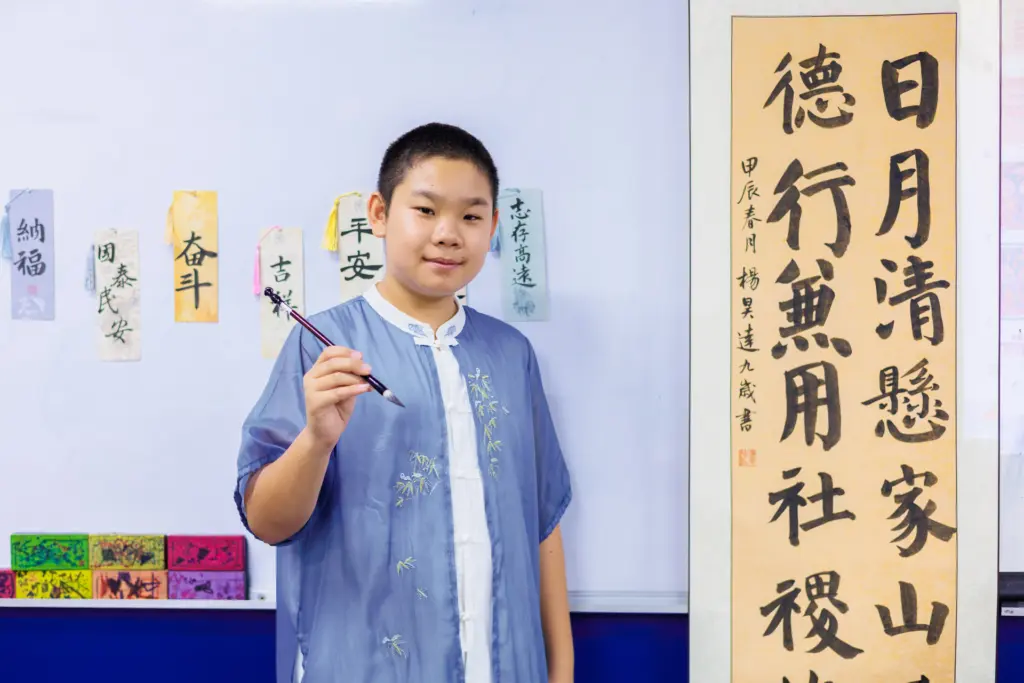
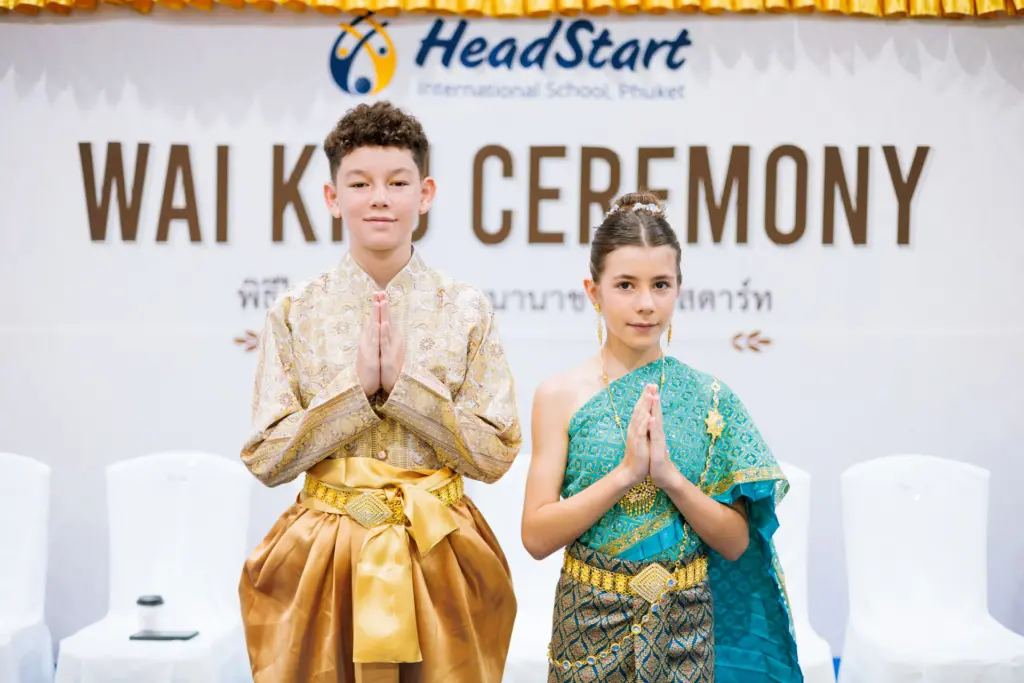

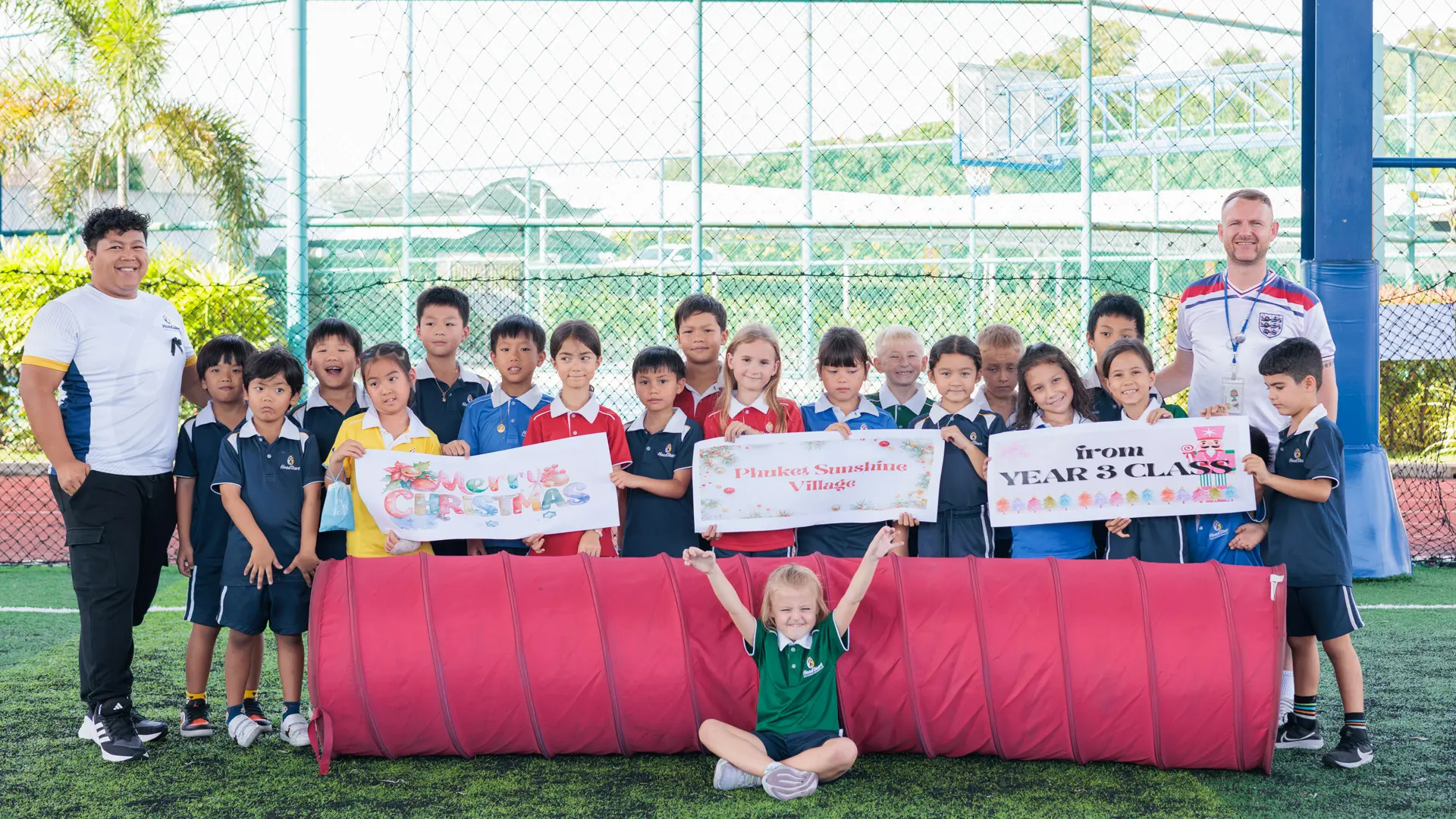
HEADSTART SUMMER CAMP (Ages: 4-14)
An Unforgettable Summer of Discovery, Sport & Creativity
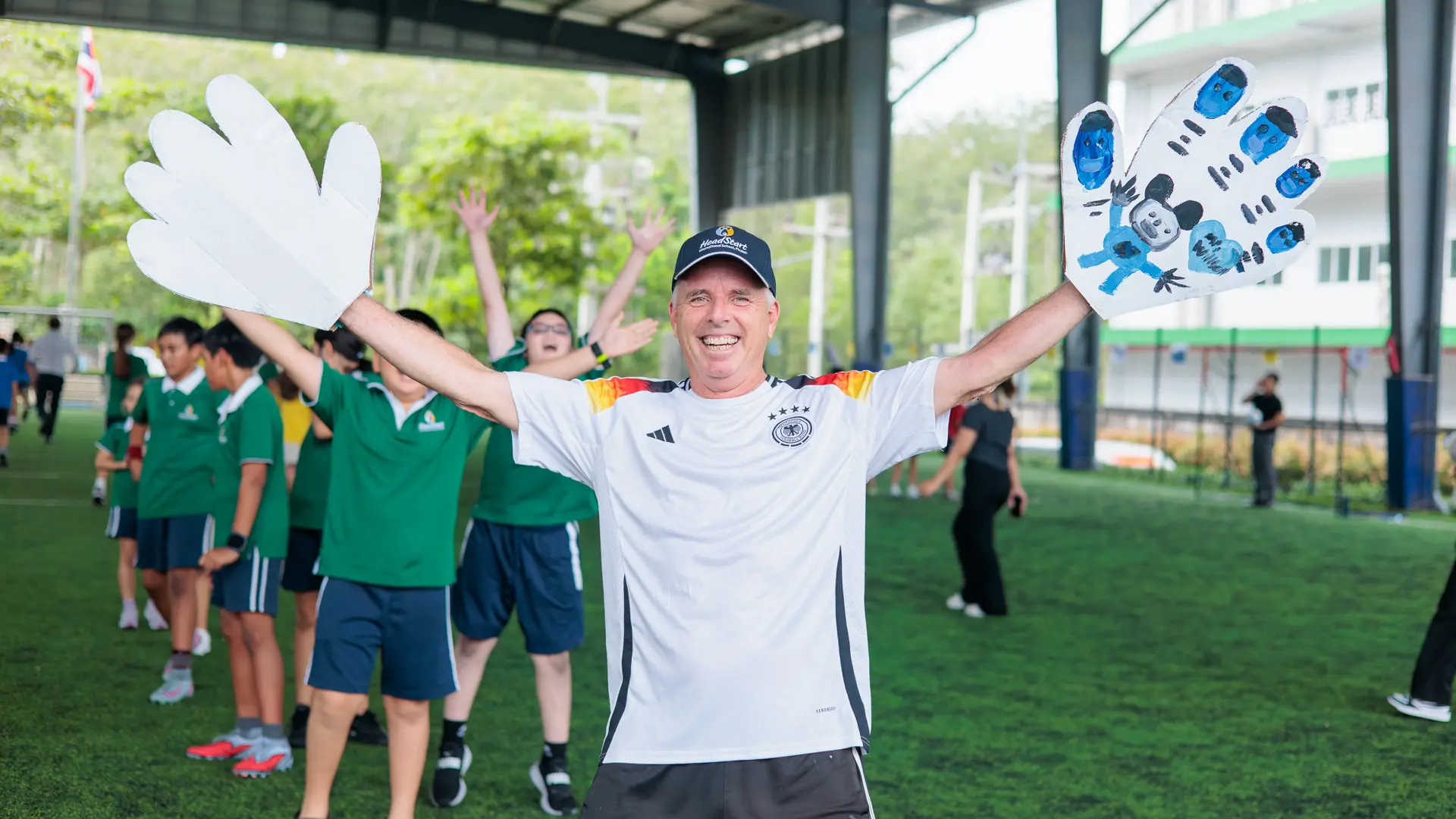
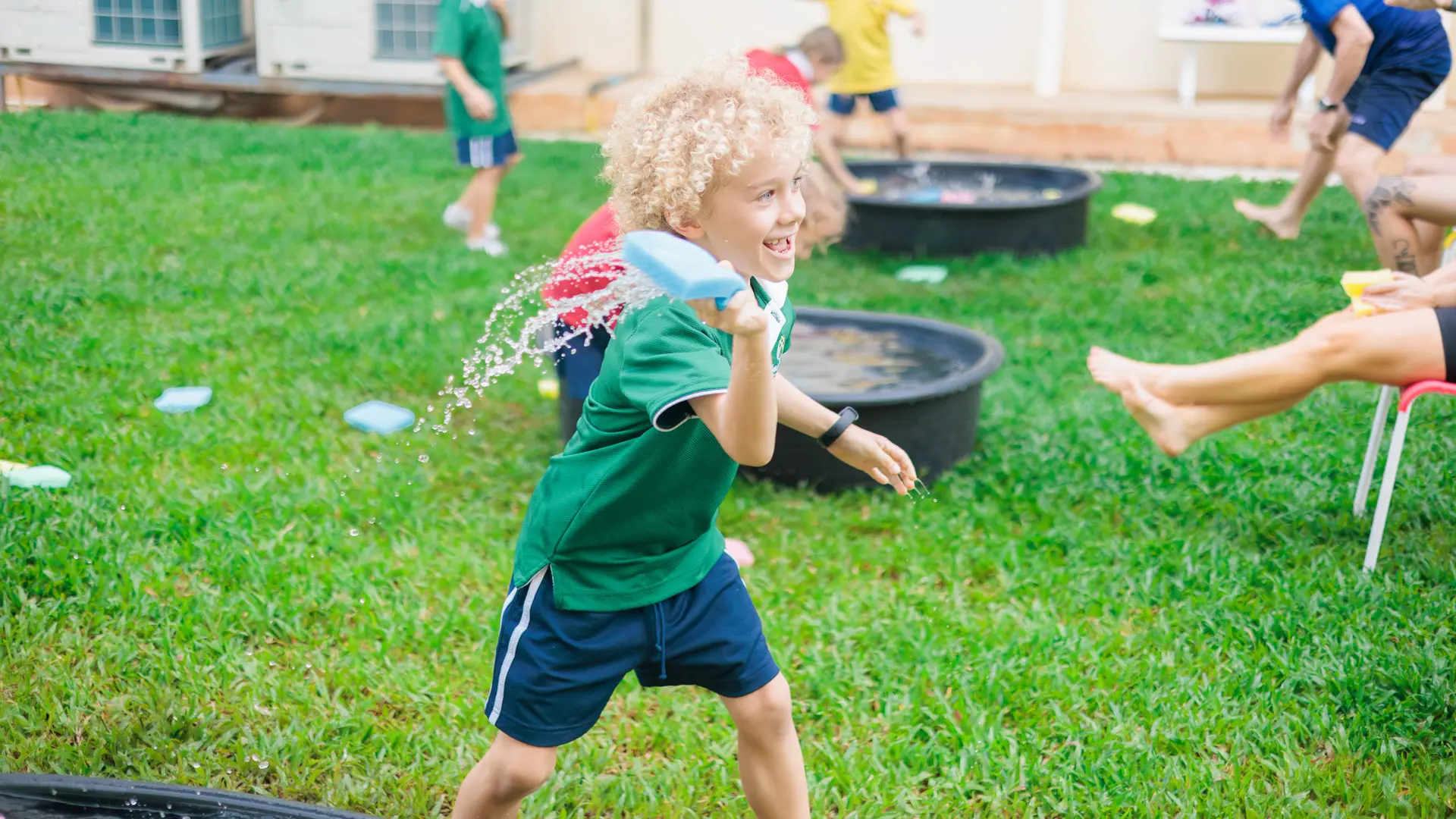
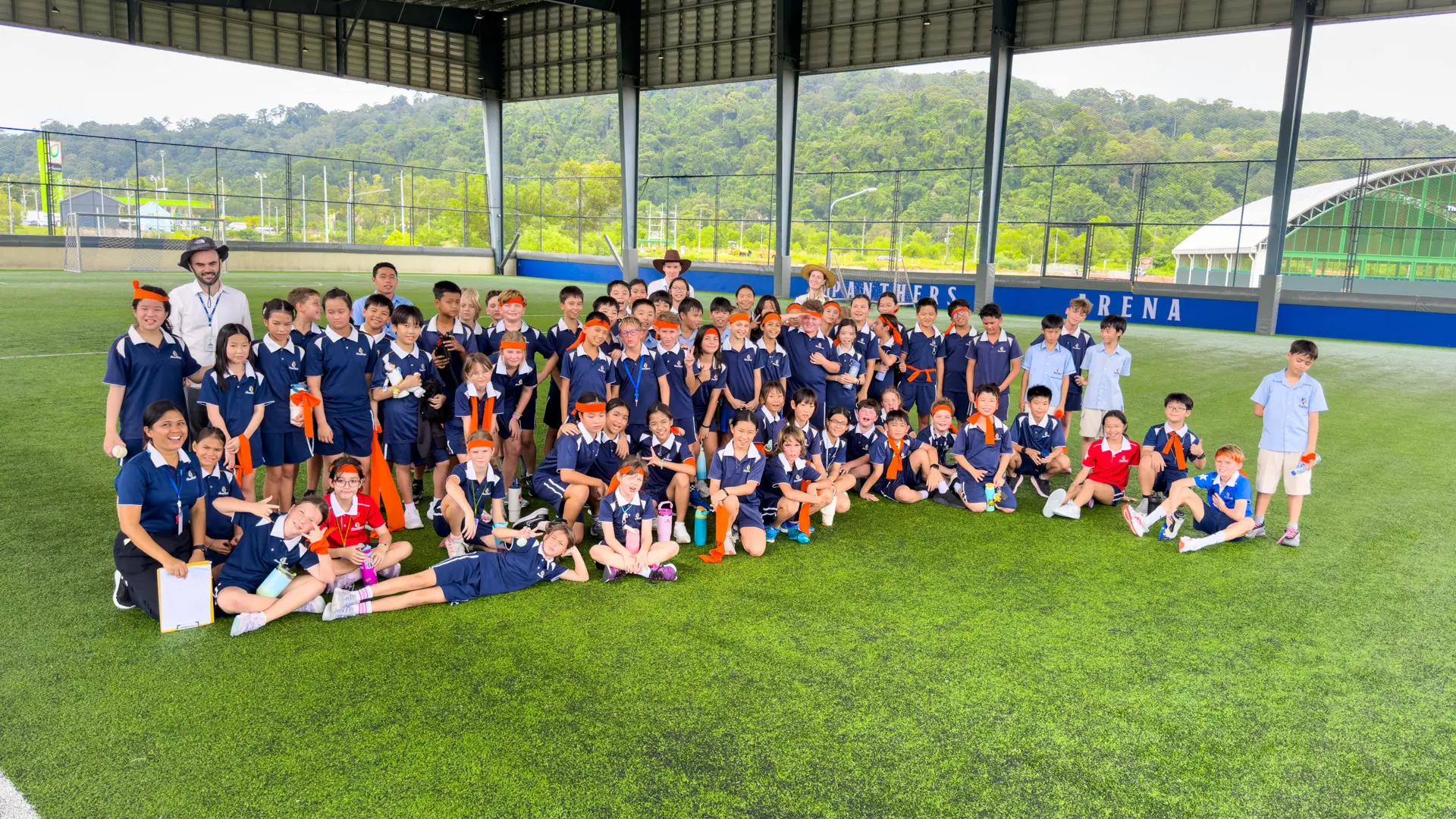
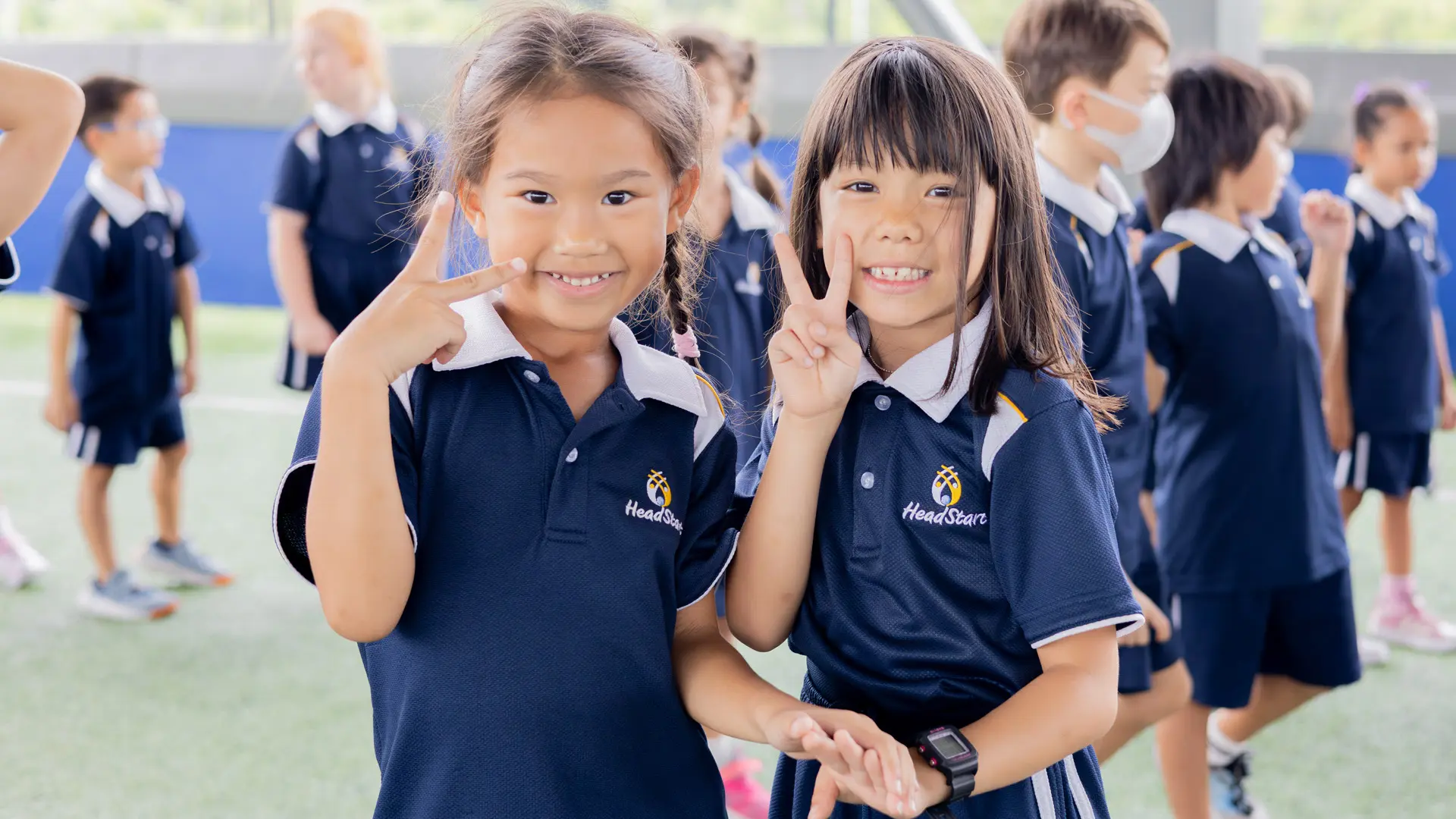
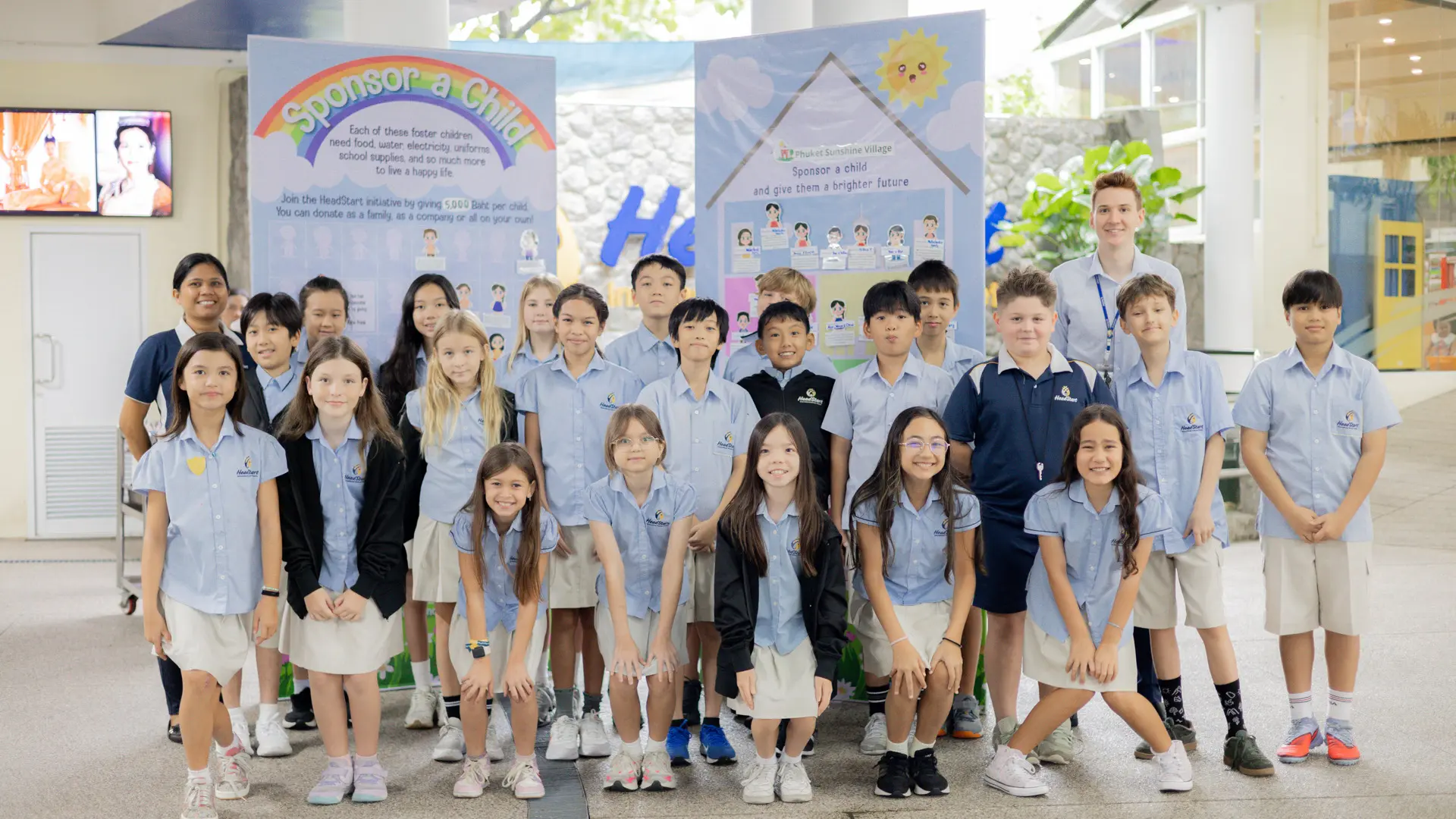
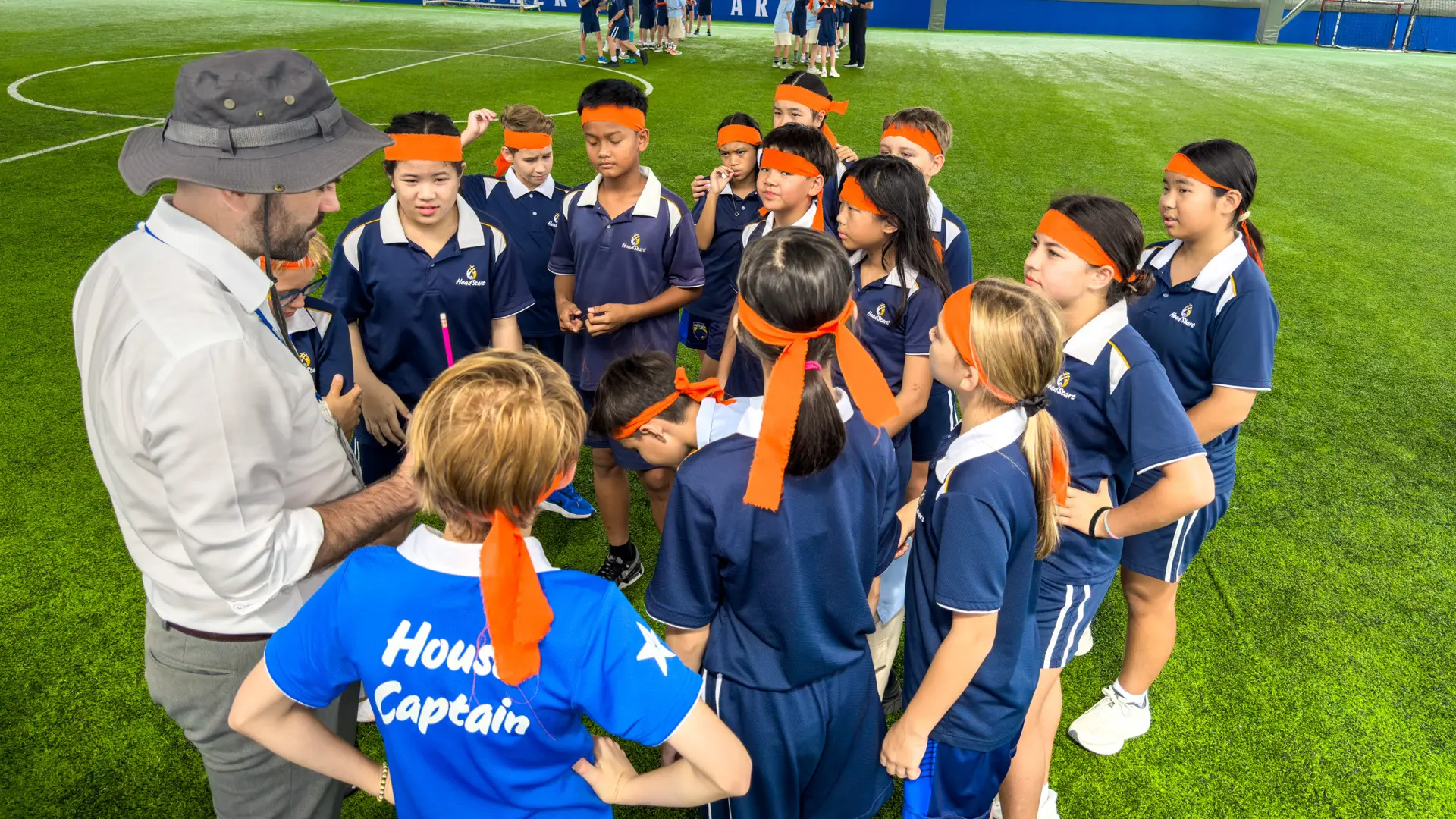
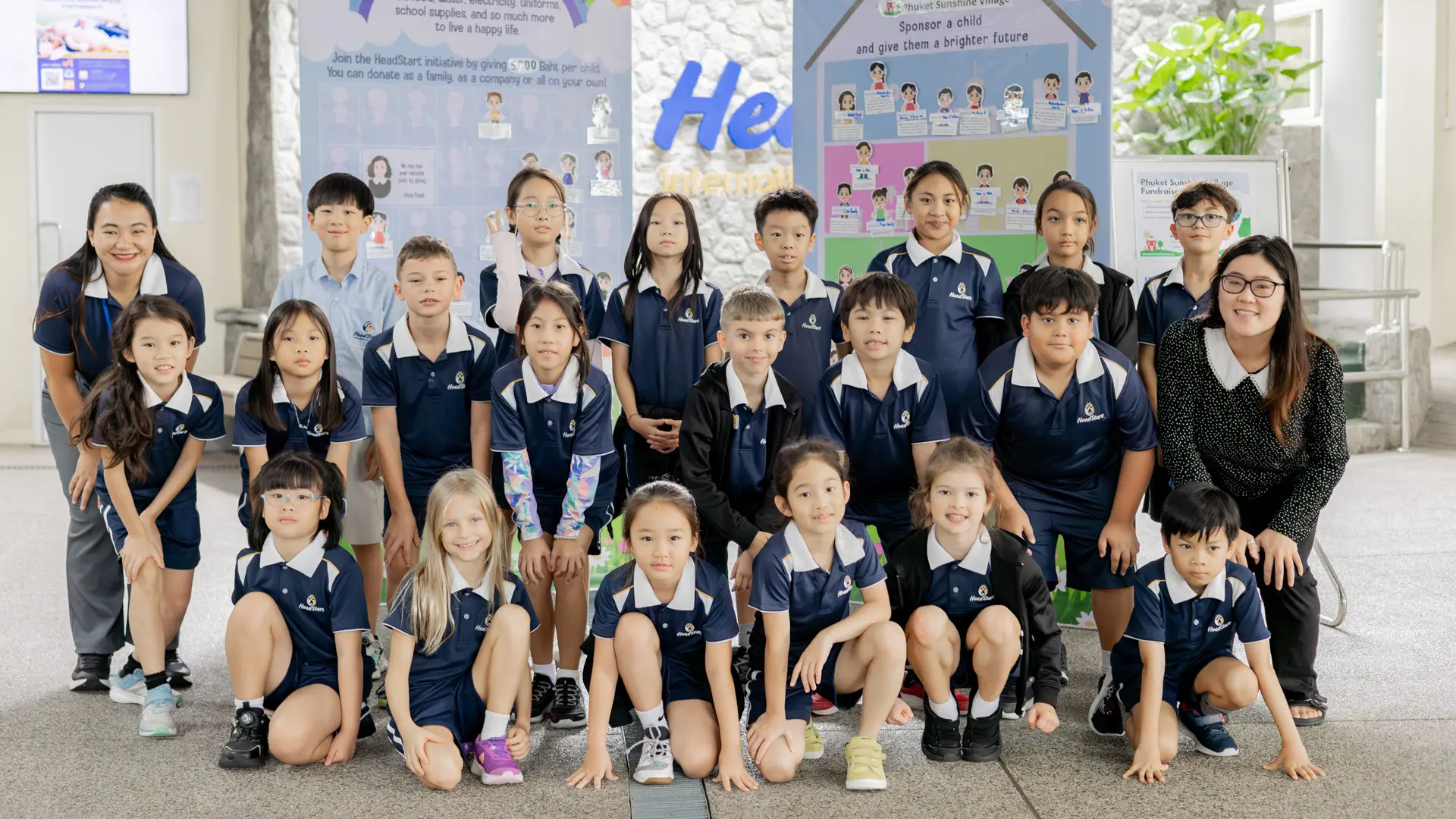
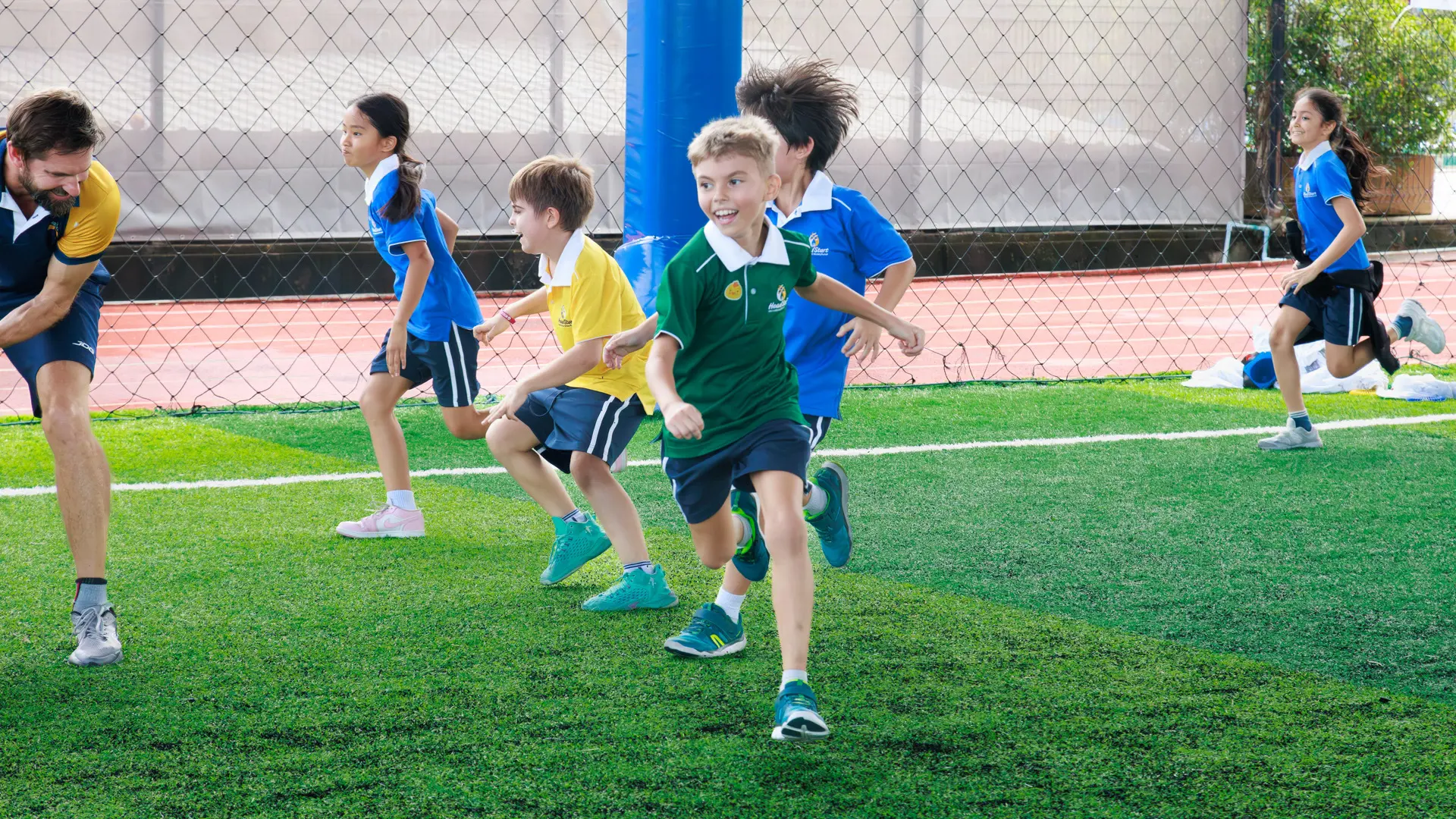
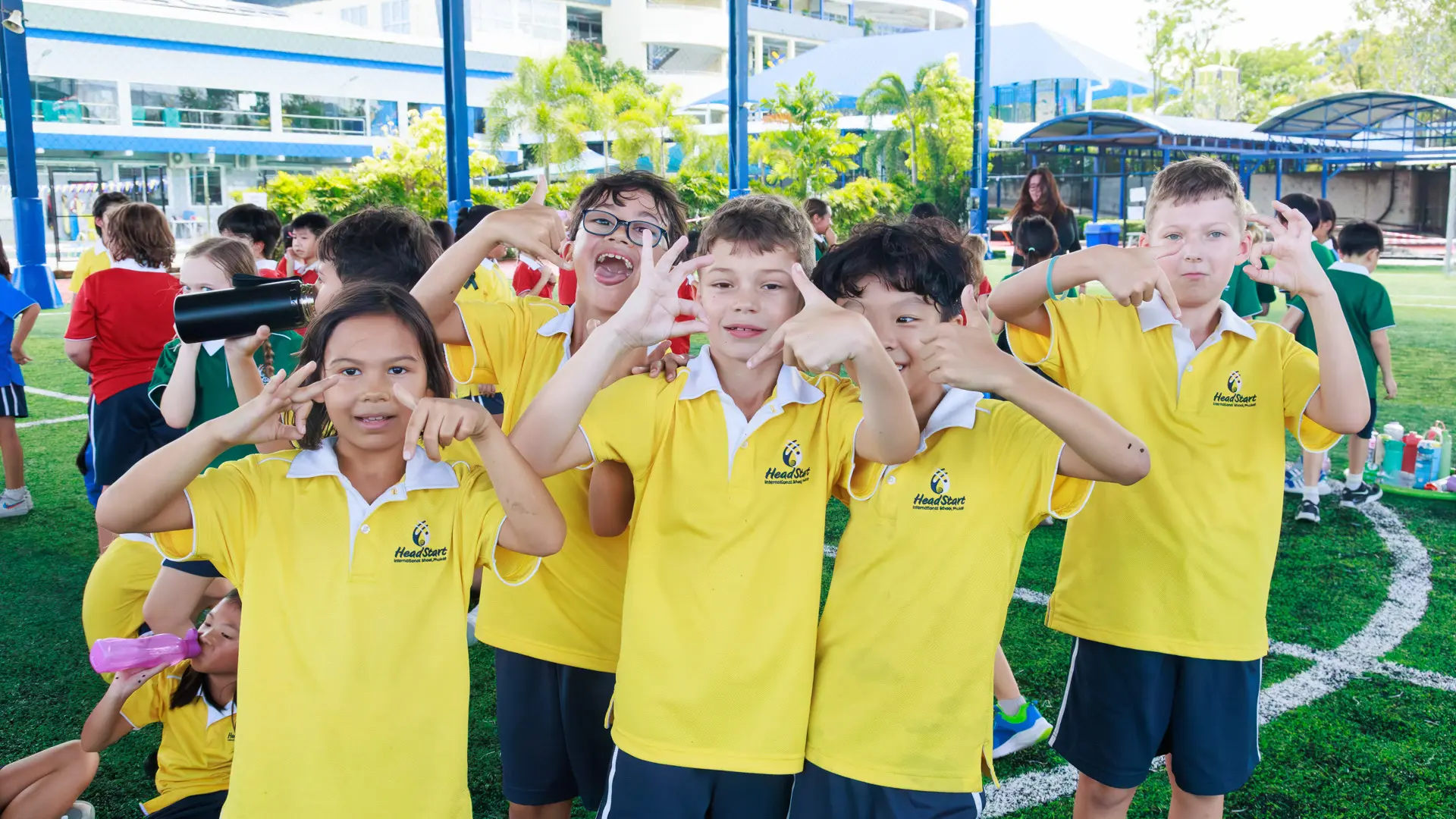
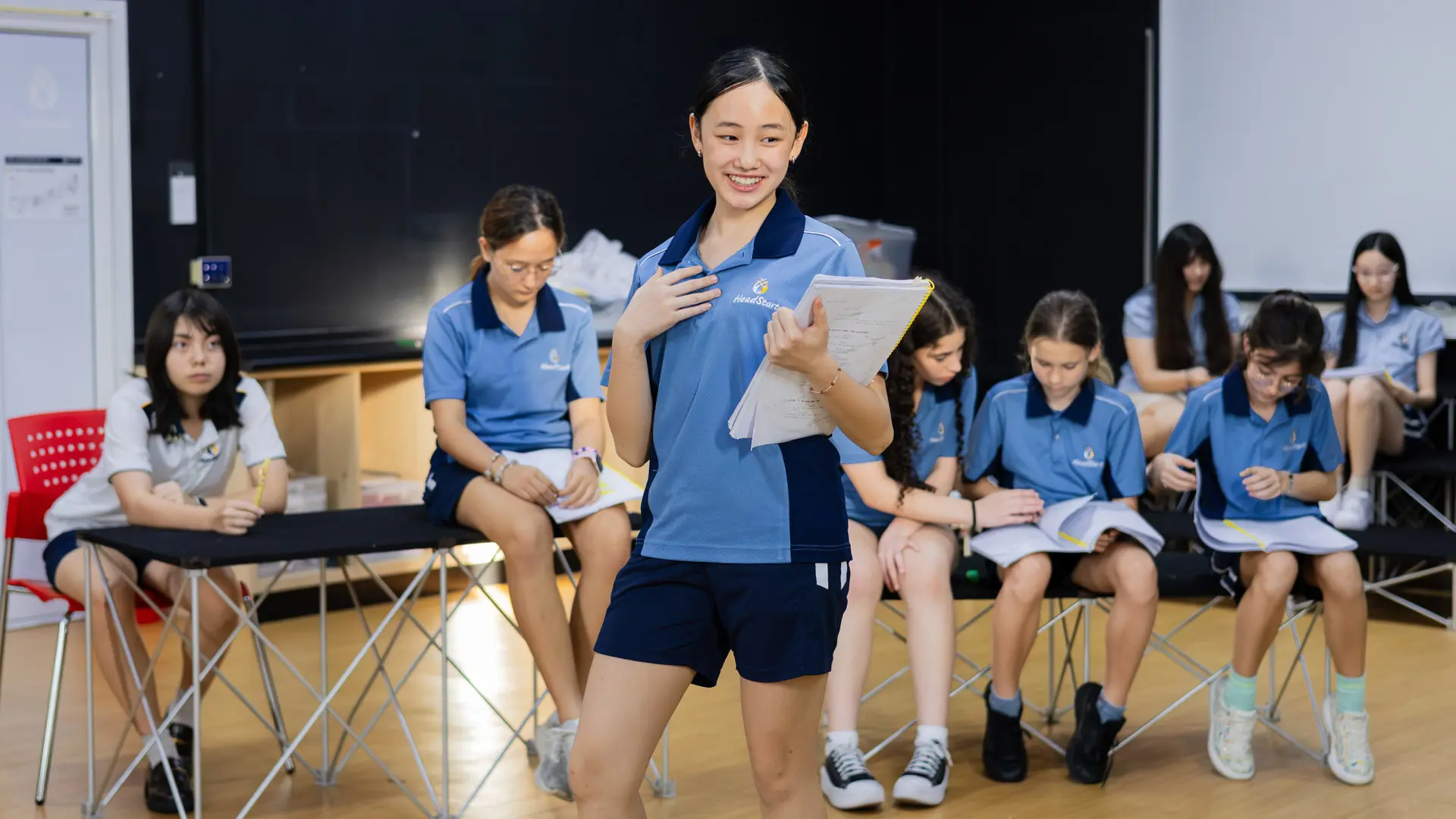
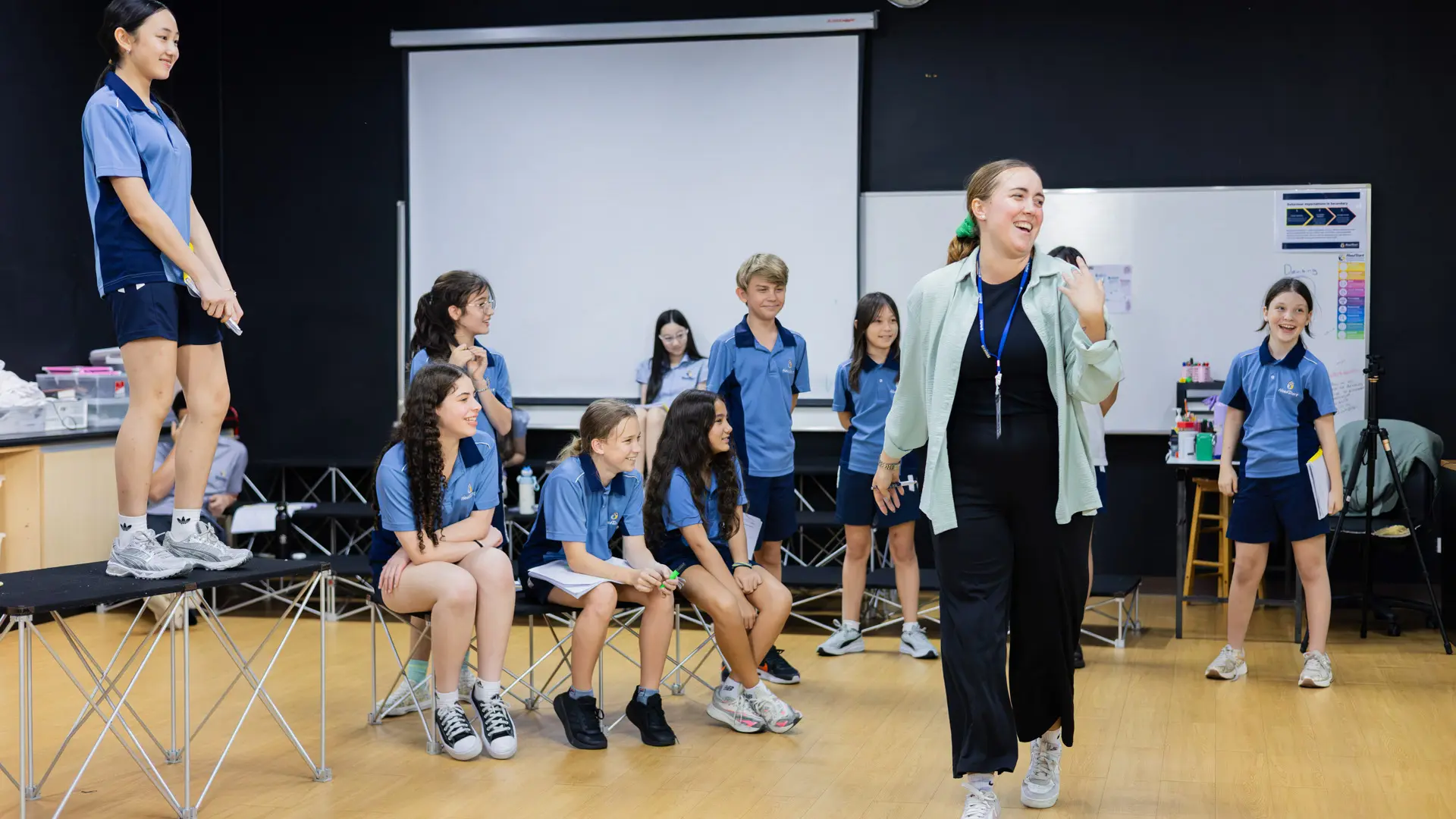
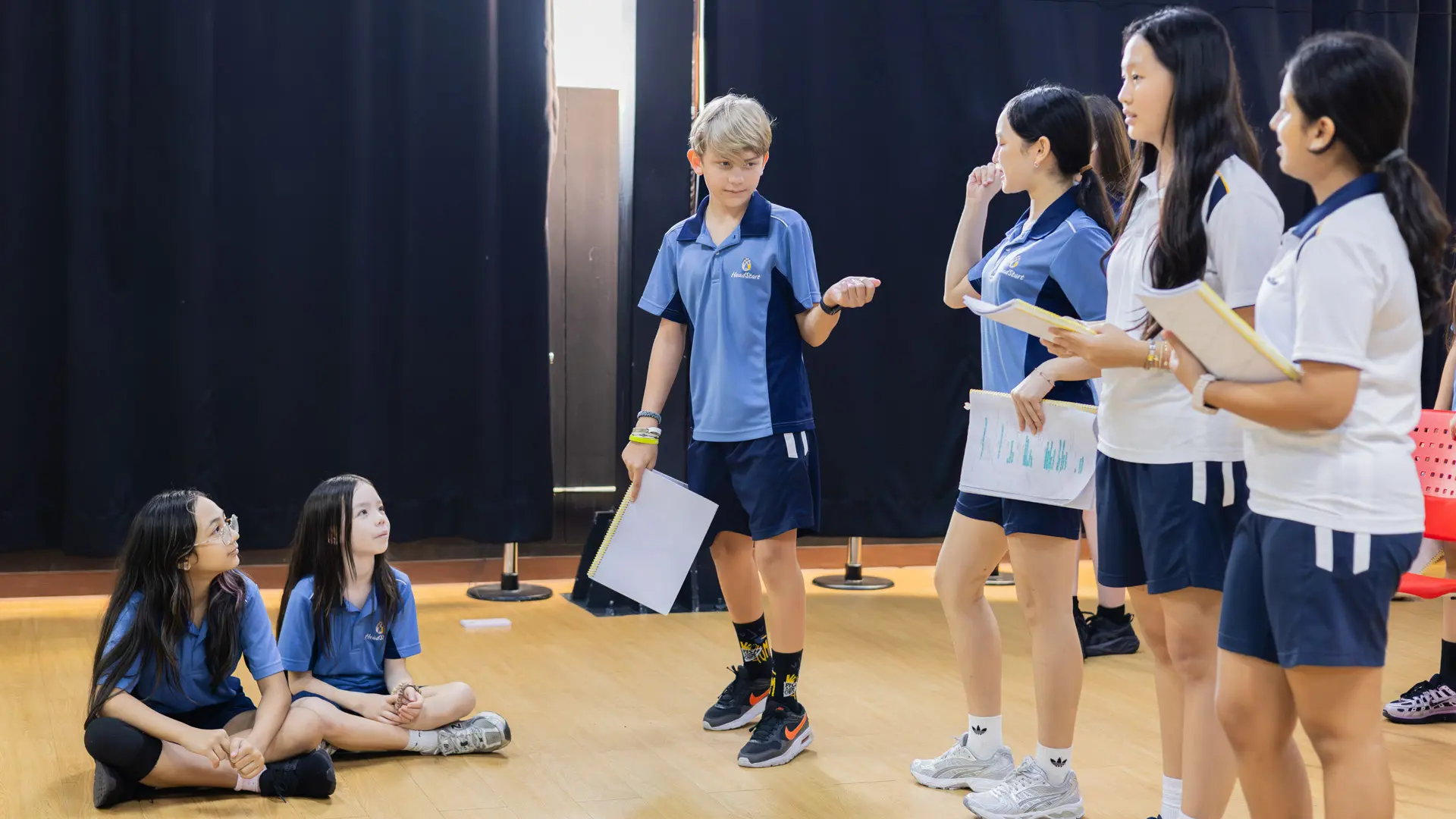
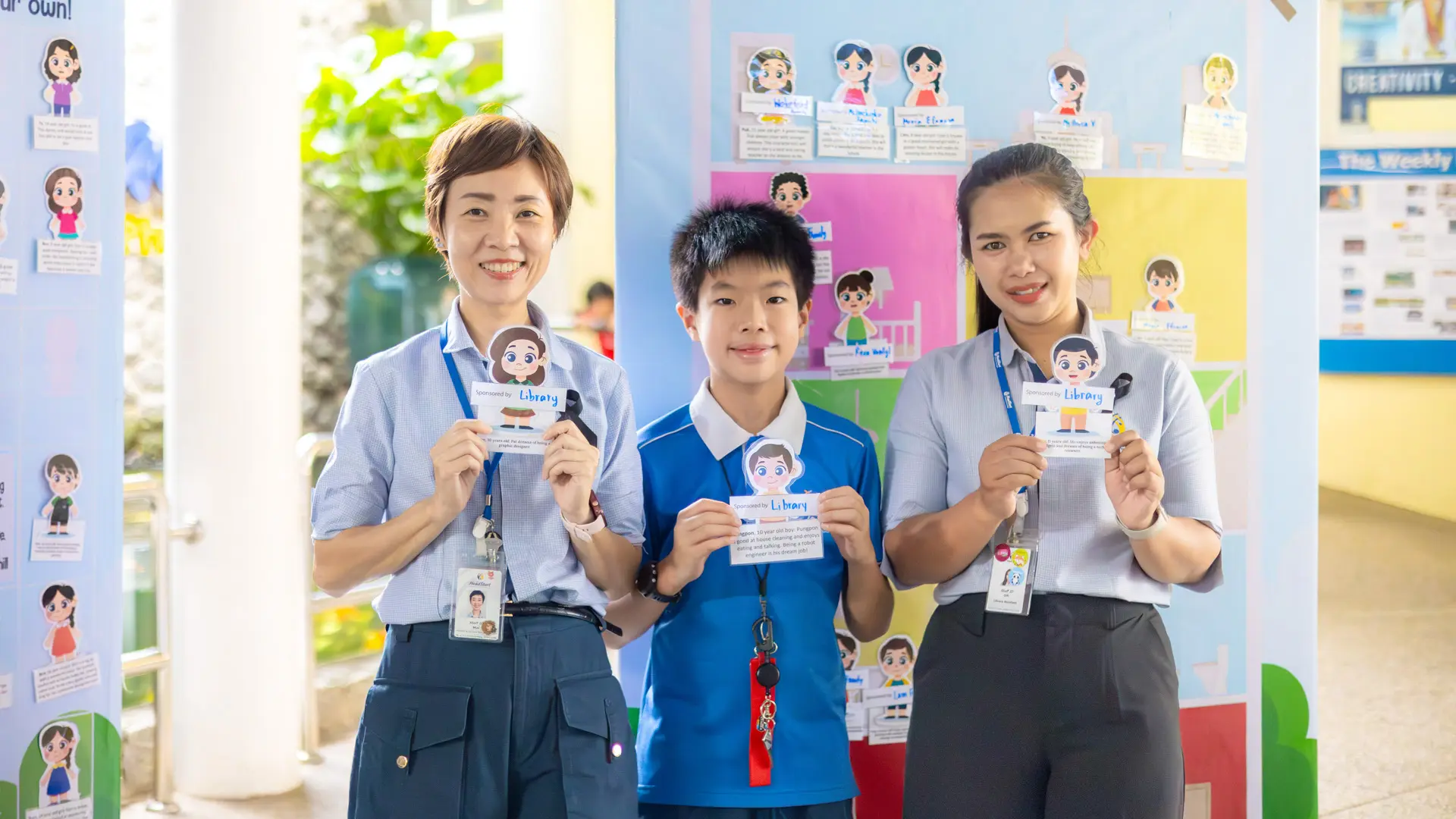
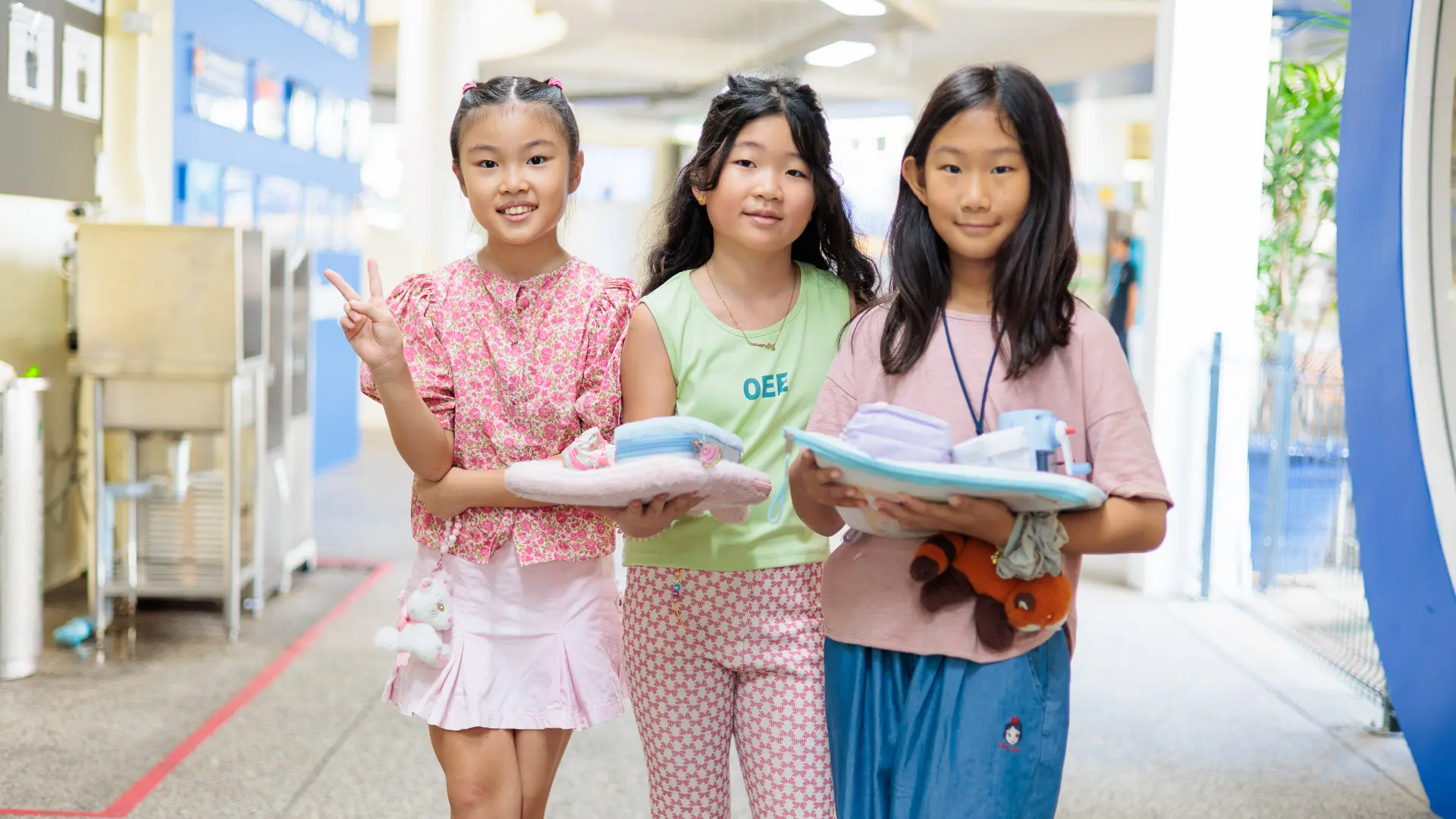
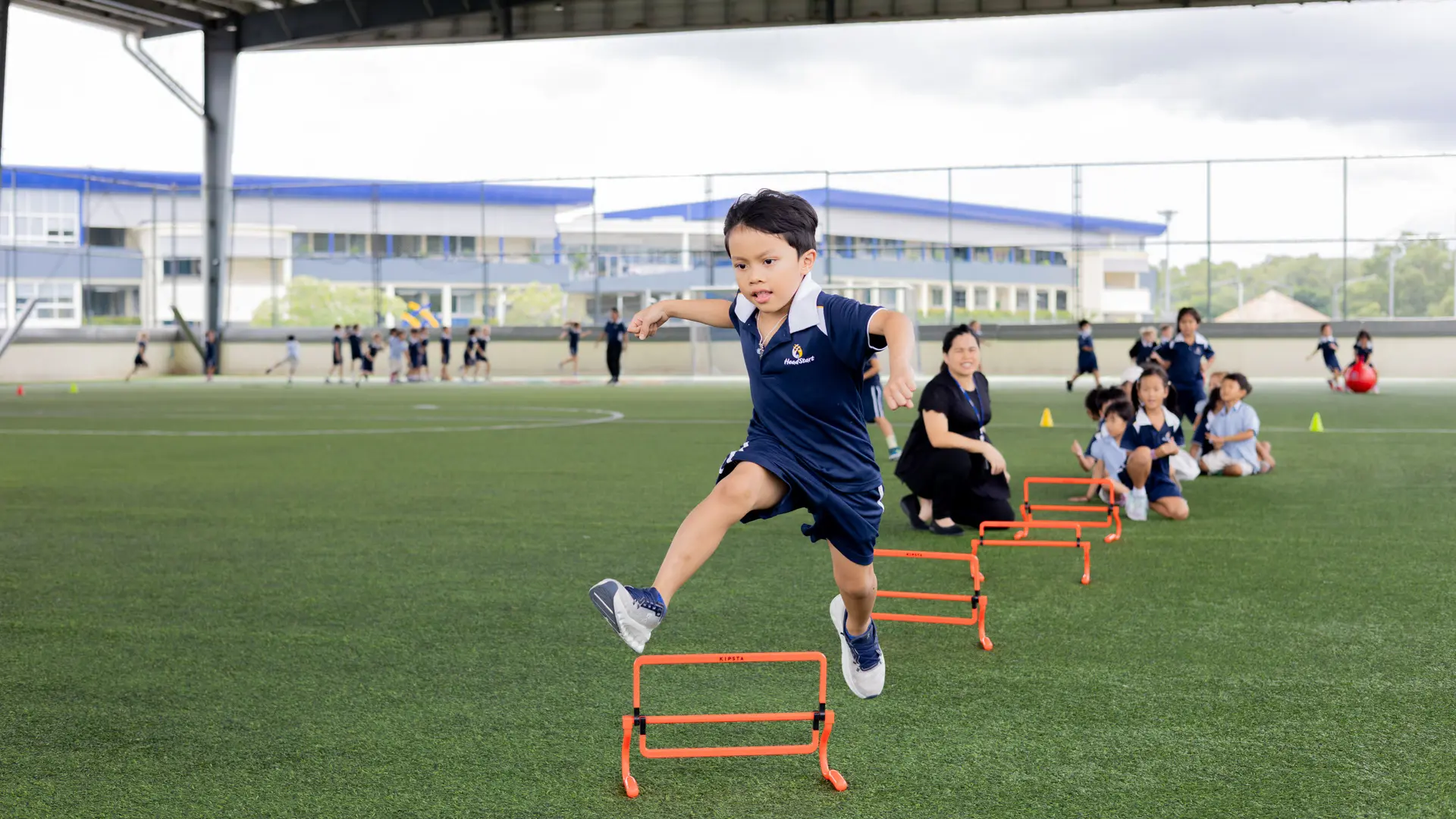
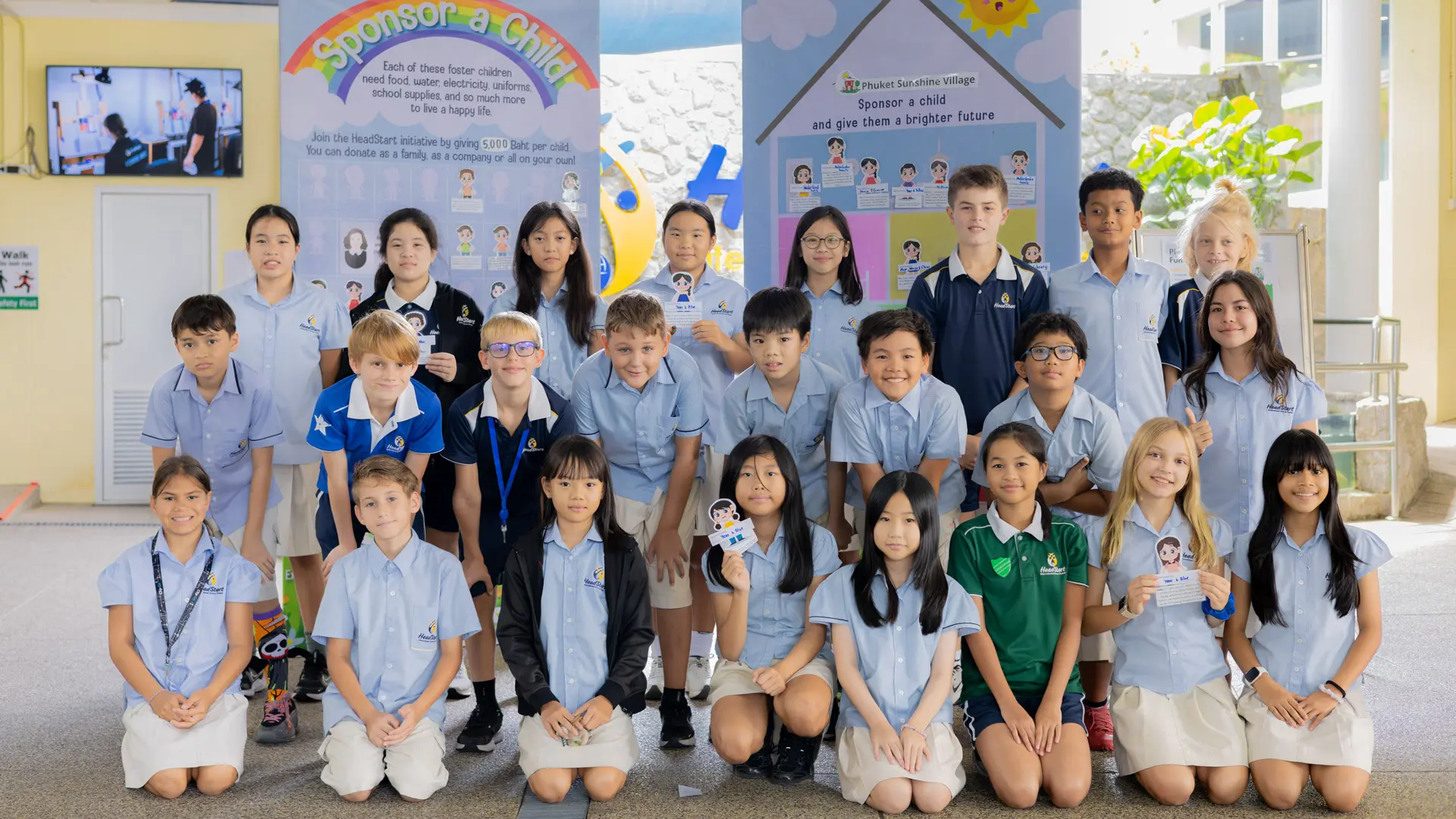
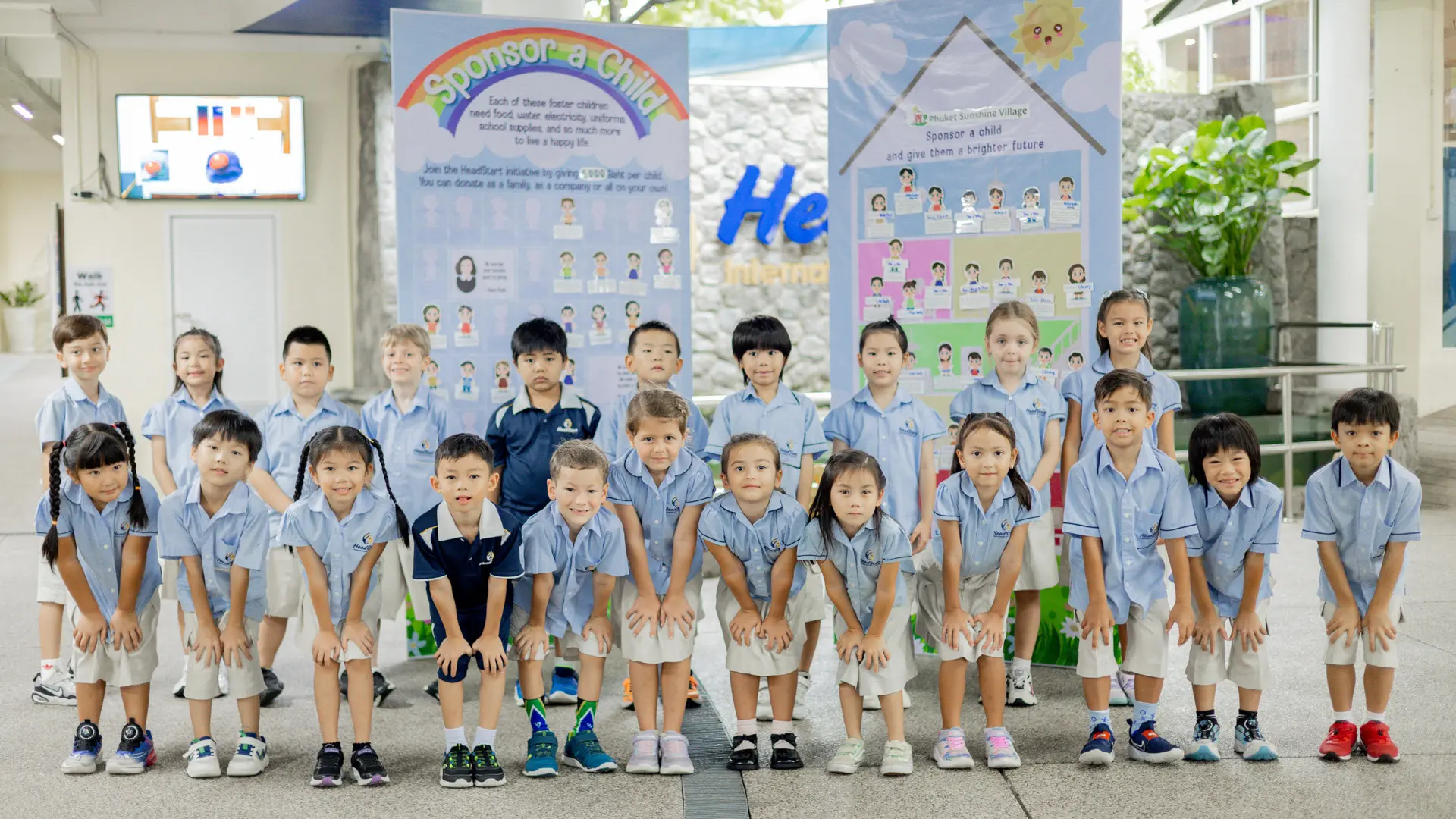
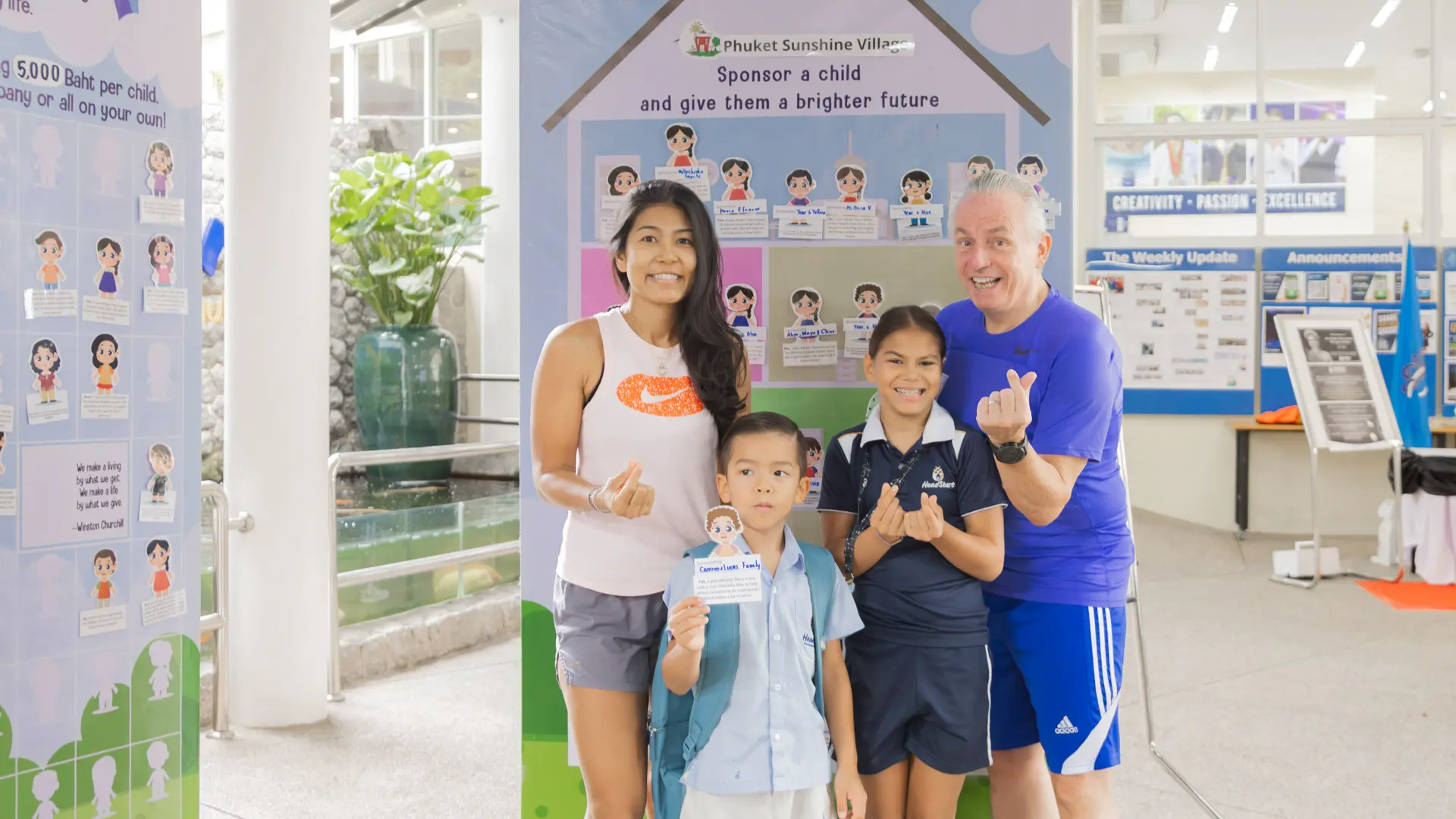
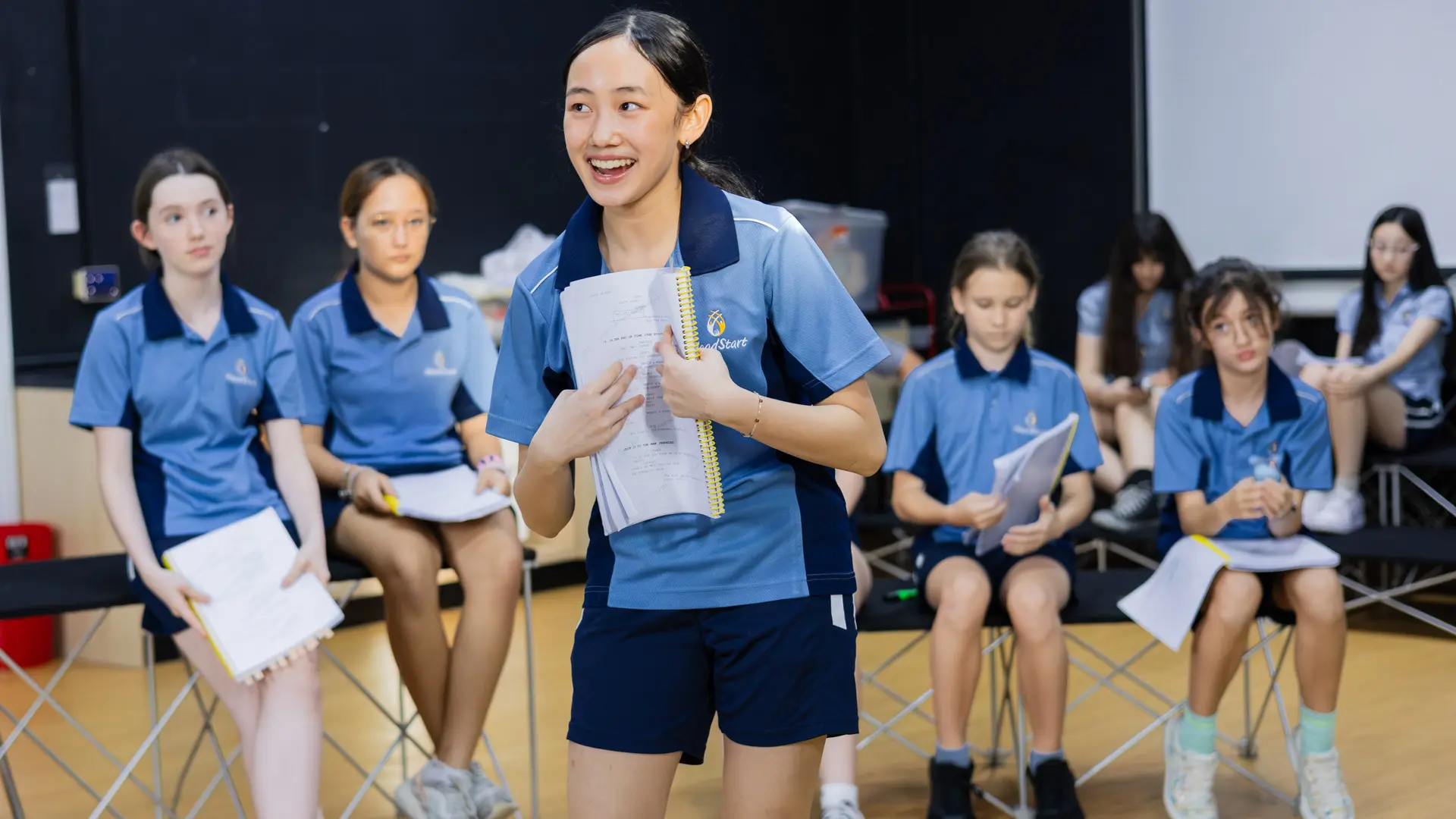
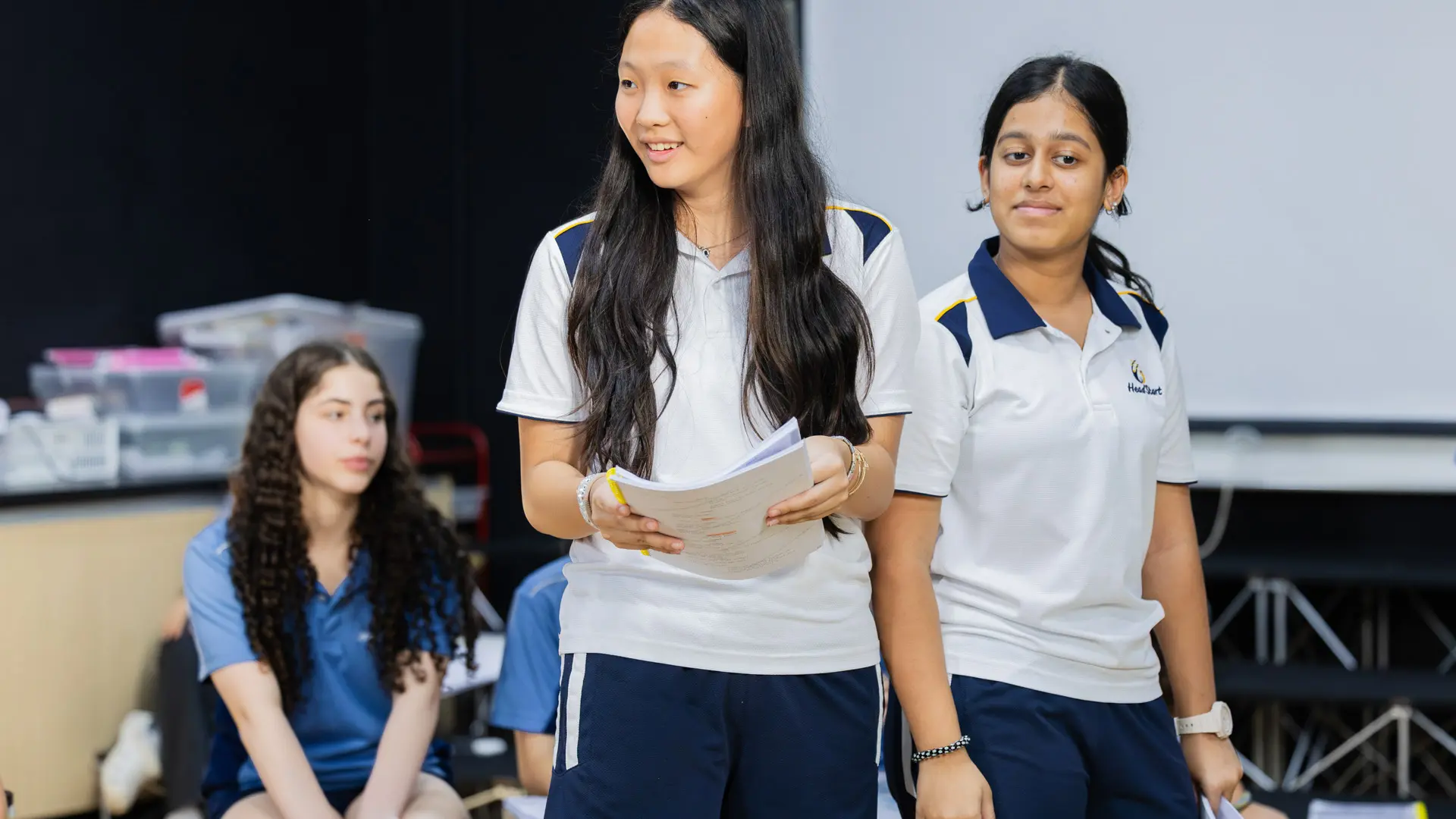
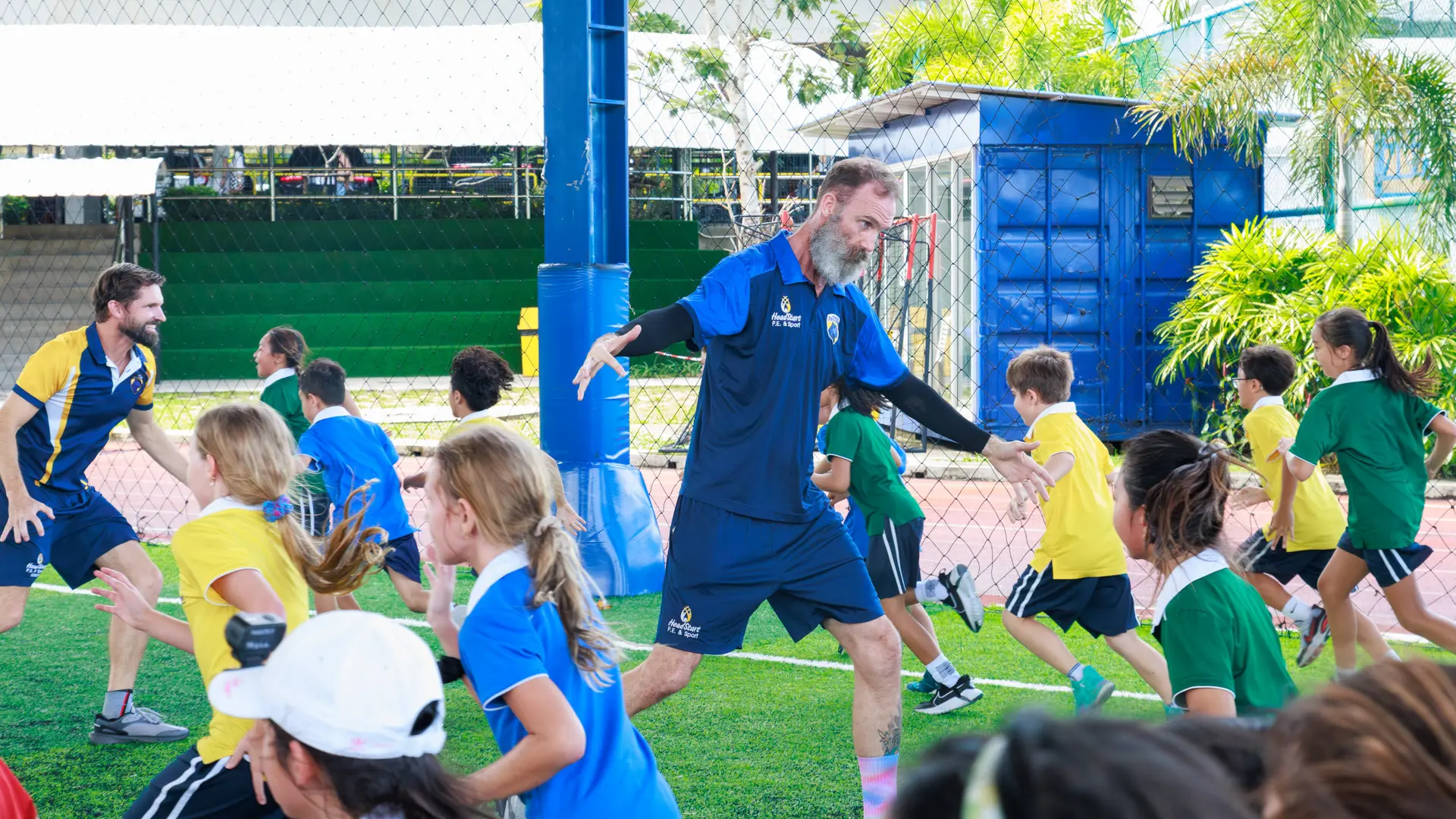
Looking for a summer packed with excitement and discovery? Designed for children aged 4 to 14, our full-day camps combine hands-on science and arts with expert sports coaching, robotics, and weekly island adventures. It is the ultimate experience to spark curiosity, build genuine confidence, and create unforgettable memories with friends from around the world.
Hands-On Exploration & Endless Curiosity
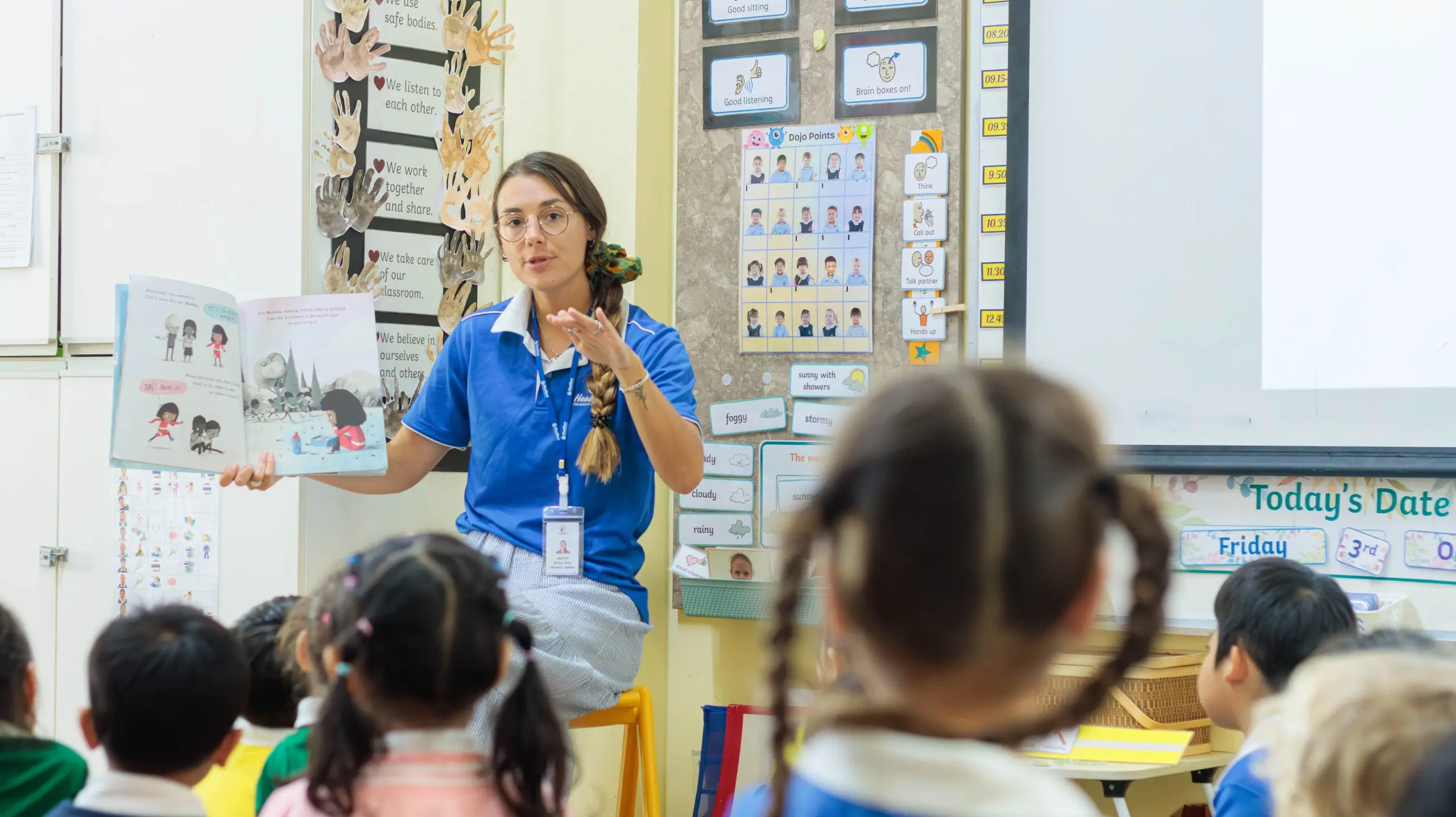
Summer is the best time to step away from screens and get hands-on! From colourful science experiments and creative art projects to robotics, coding, and cooking workshops, every day is packed with active discovery. Children are encouraged to ask questions, explore new ideas, and build practical skills in a fun, friendly environment where their imagination can truly take flight.
Exciting Excursions & Island Adventures
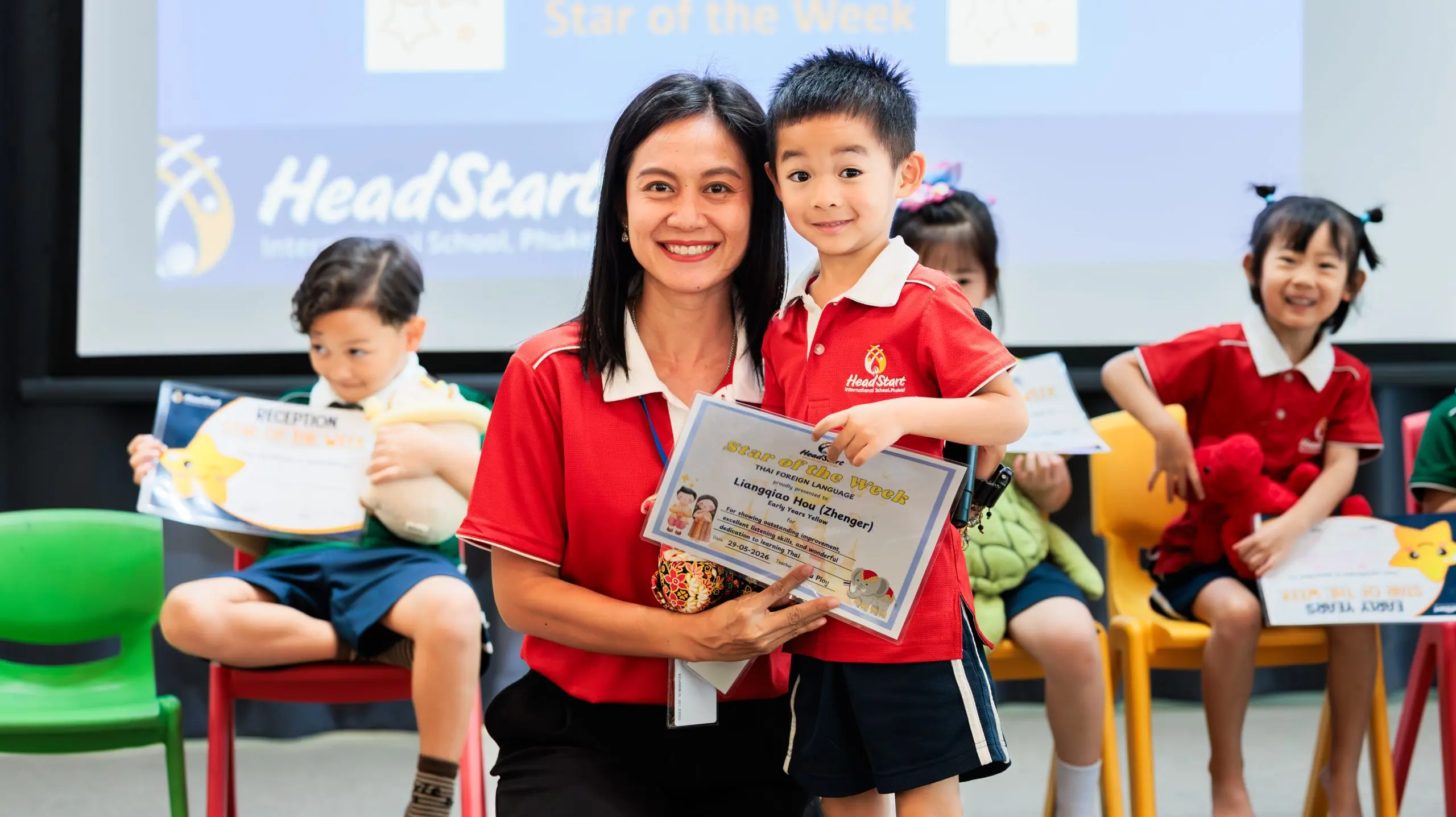
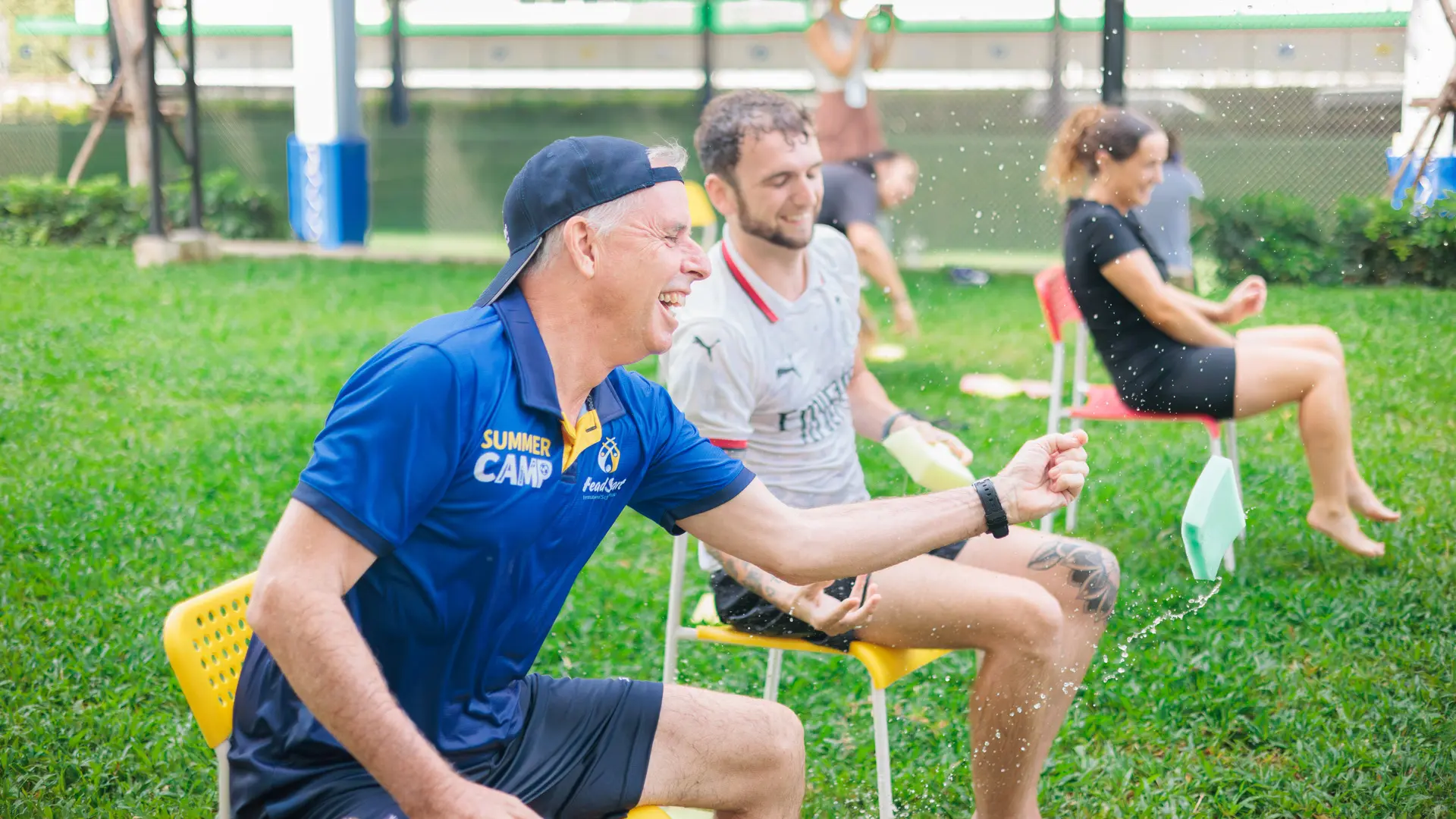
Learning and fun go far beyond the classroom walls. Each week, our campers head out on carefully planned off-campus adventures and outdoor trips across Phuket. Whether visiting a local wildlife sanctuary, discovering marine life, or teaming up for outdoor challenges, these shared experiences help children build real resilience, make lifelong friends, and see the world with fresh eyes.
Safe, Supervised & Fully Supported
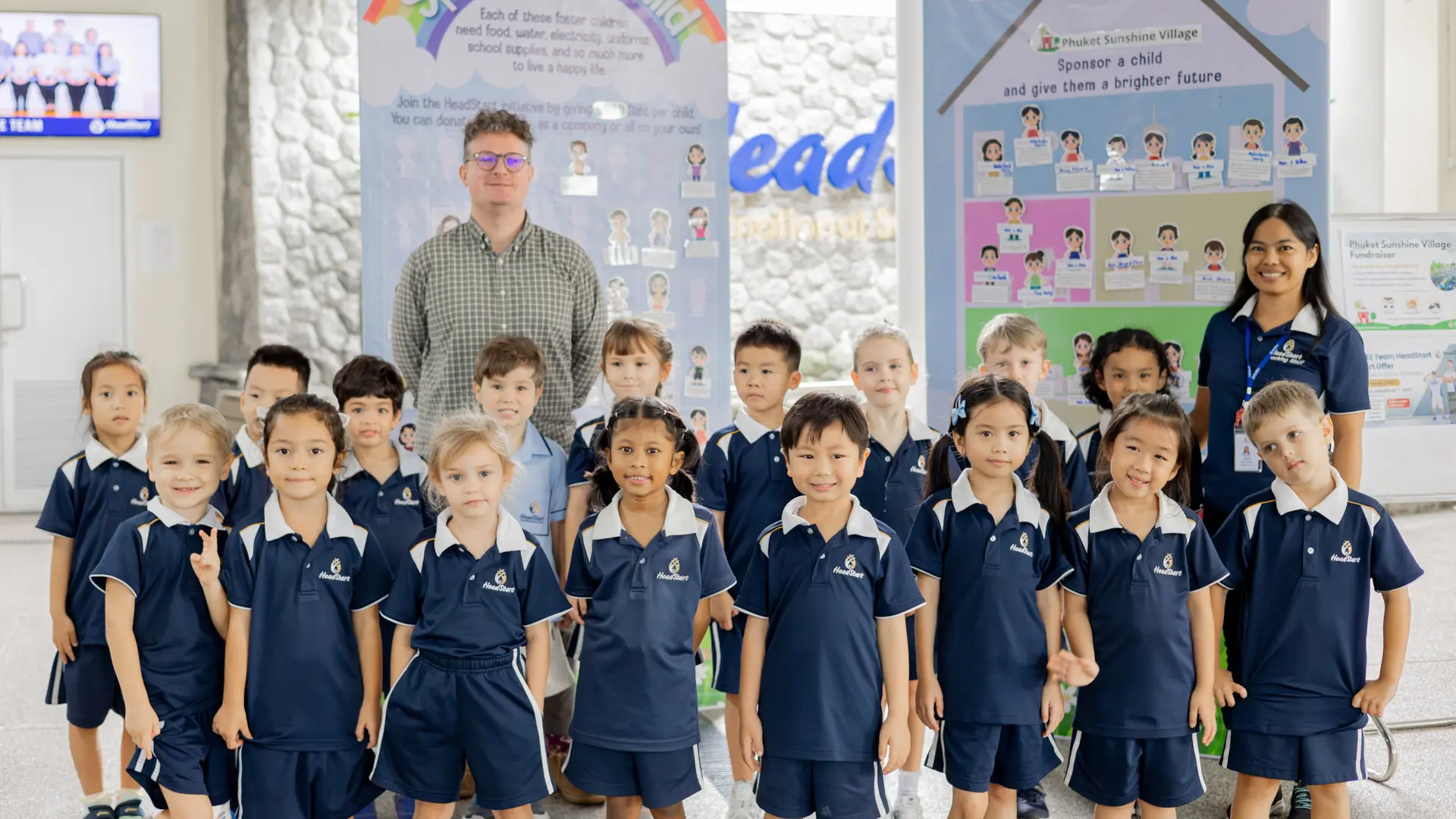
As parents, your peace of mind comes first. Our warm, qualified teachers and coaches nurture each child within small, friendly groups (6–24 students). With a dedicated school nurse on campus all day, First Aid-certified leaders on every trip, delicious hot buffet lunches and snacks included, and convenient door-to-door bus routes, your child is safe, happy, and fully supported throughout their summer.



A Well-Rounded Start
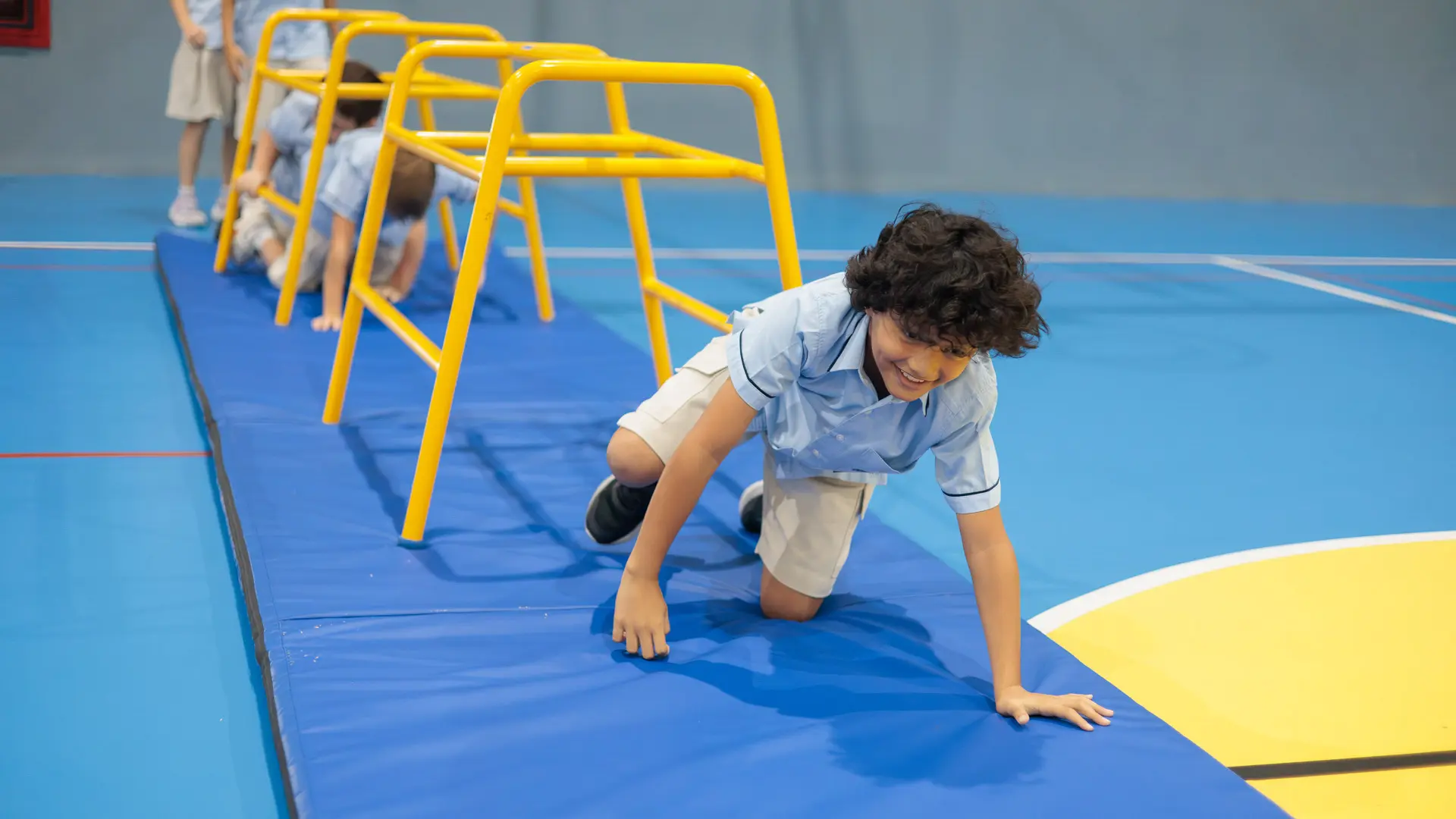
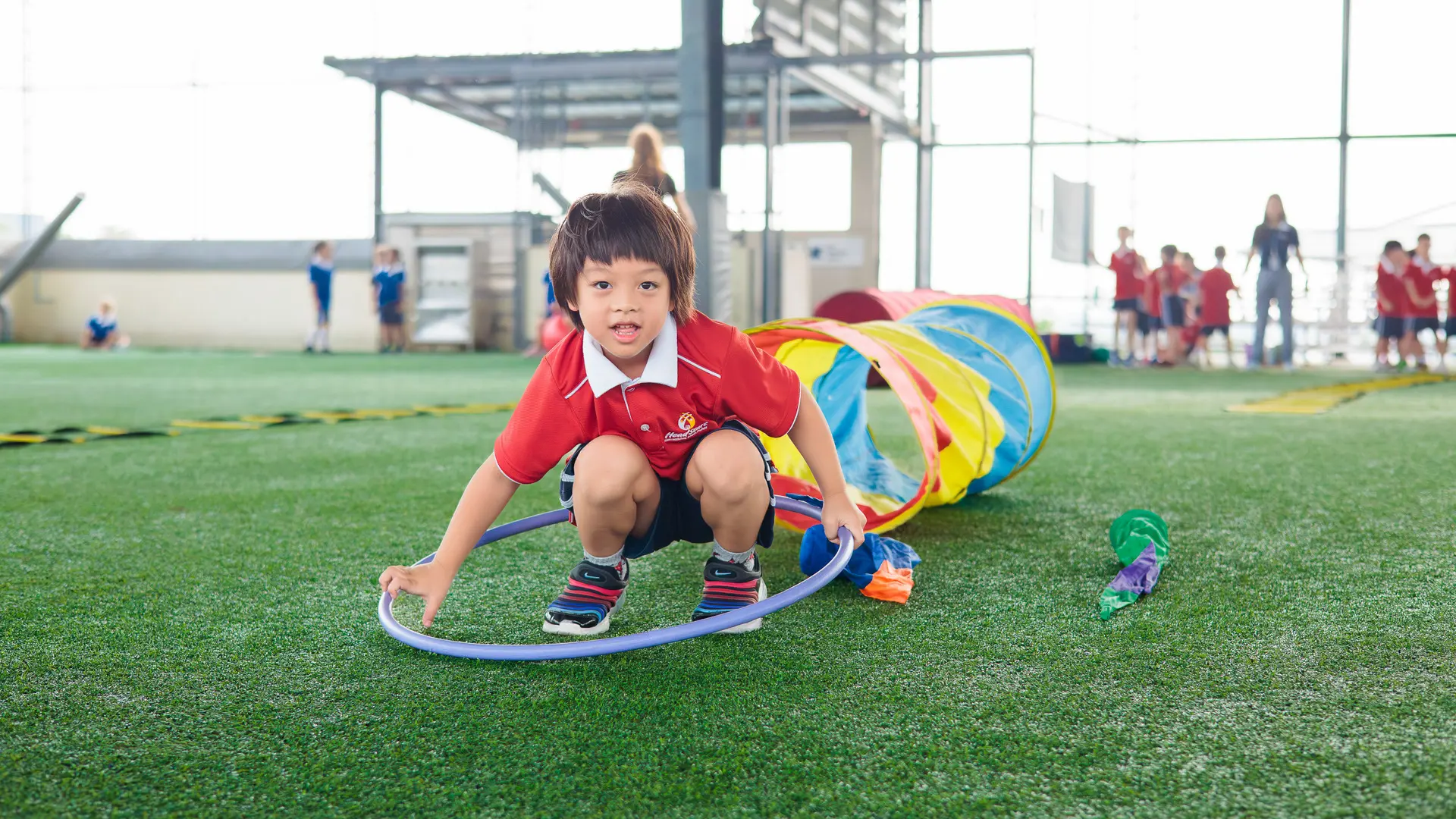
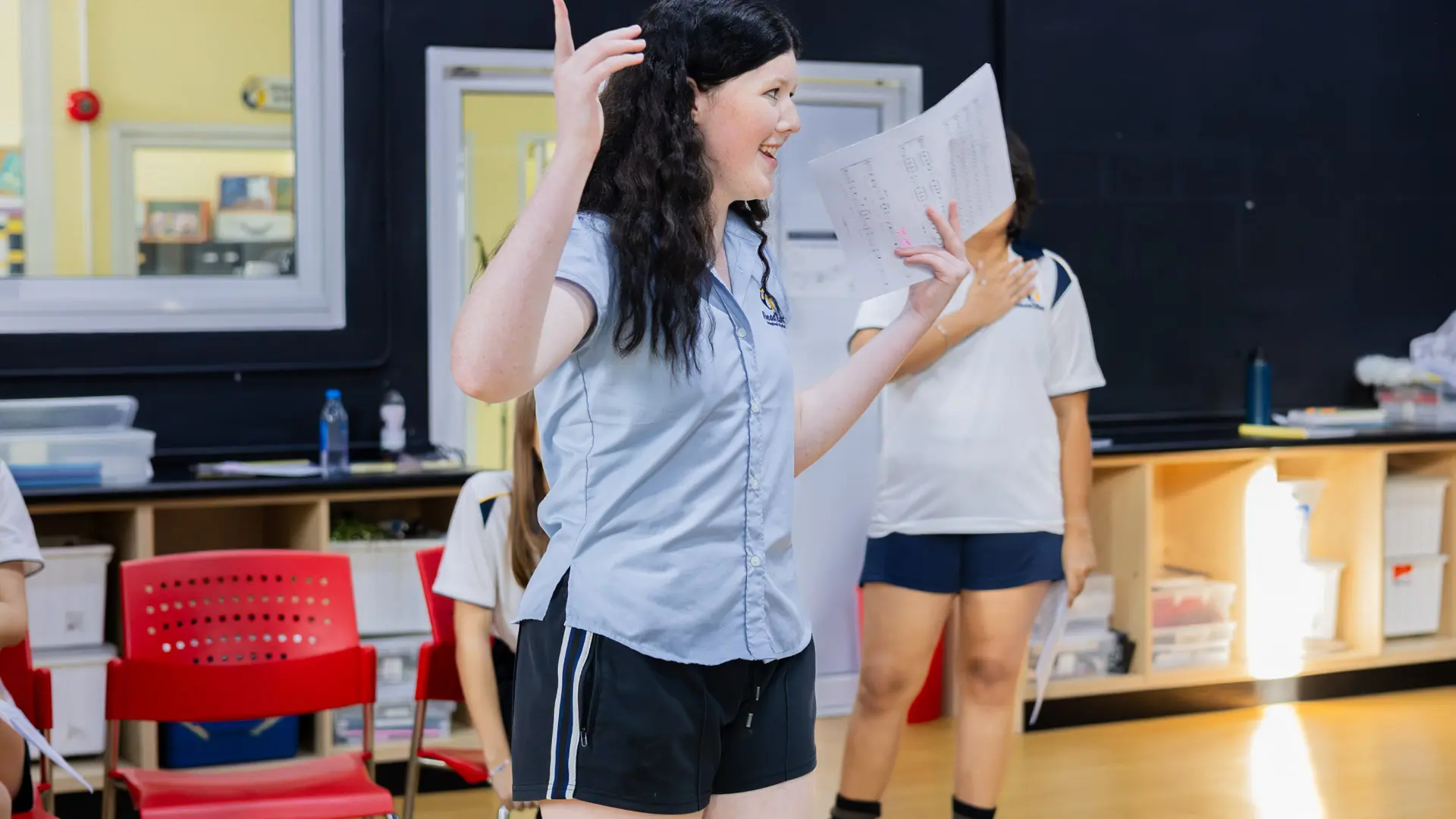
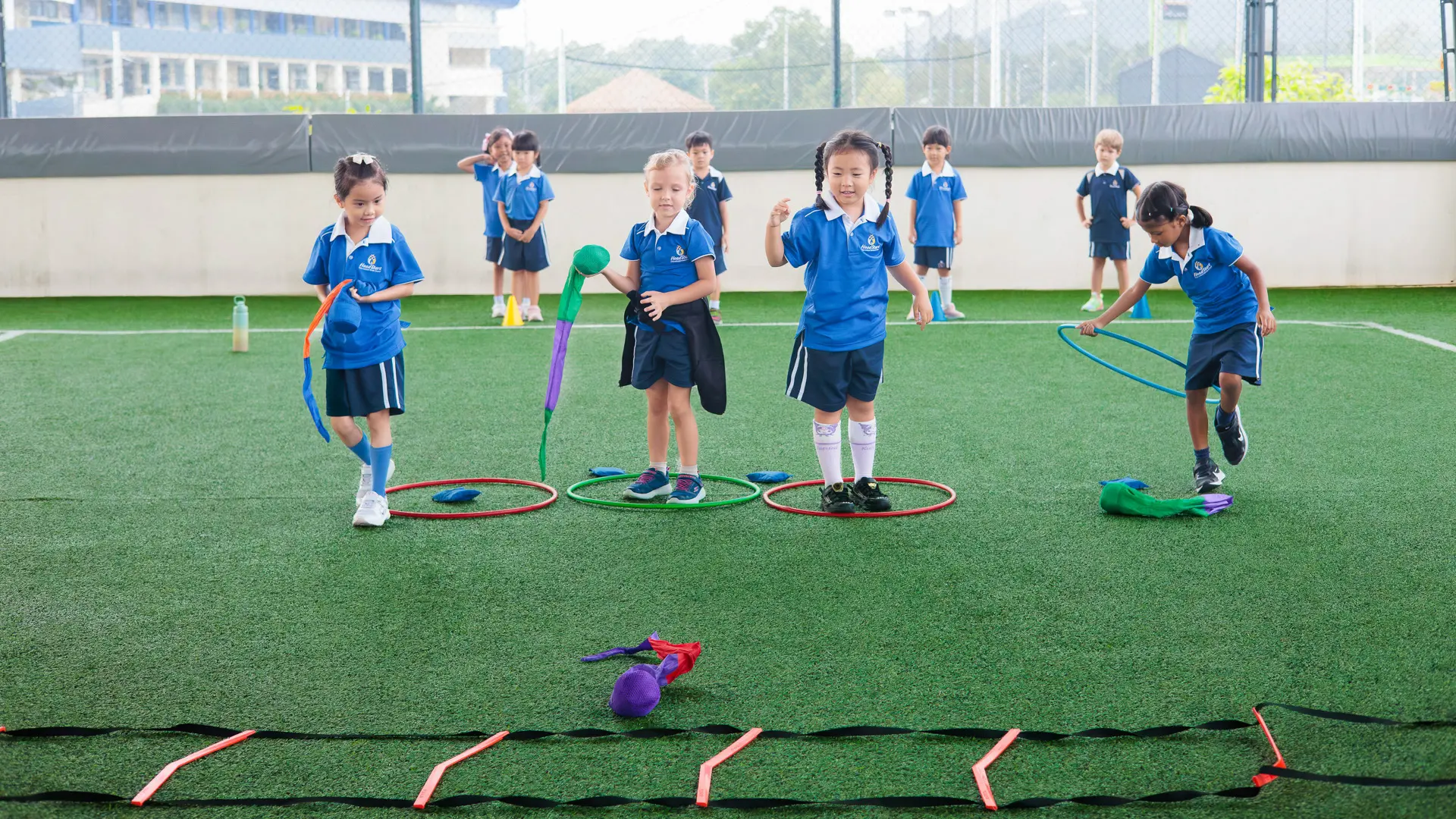
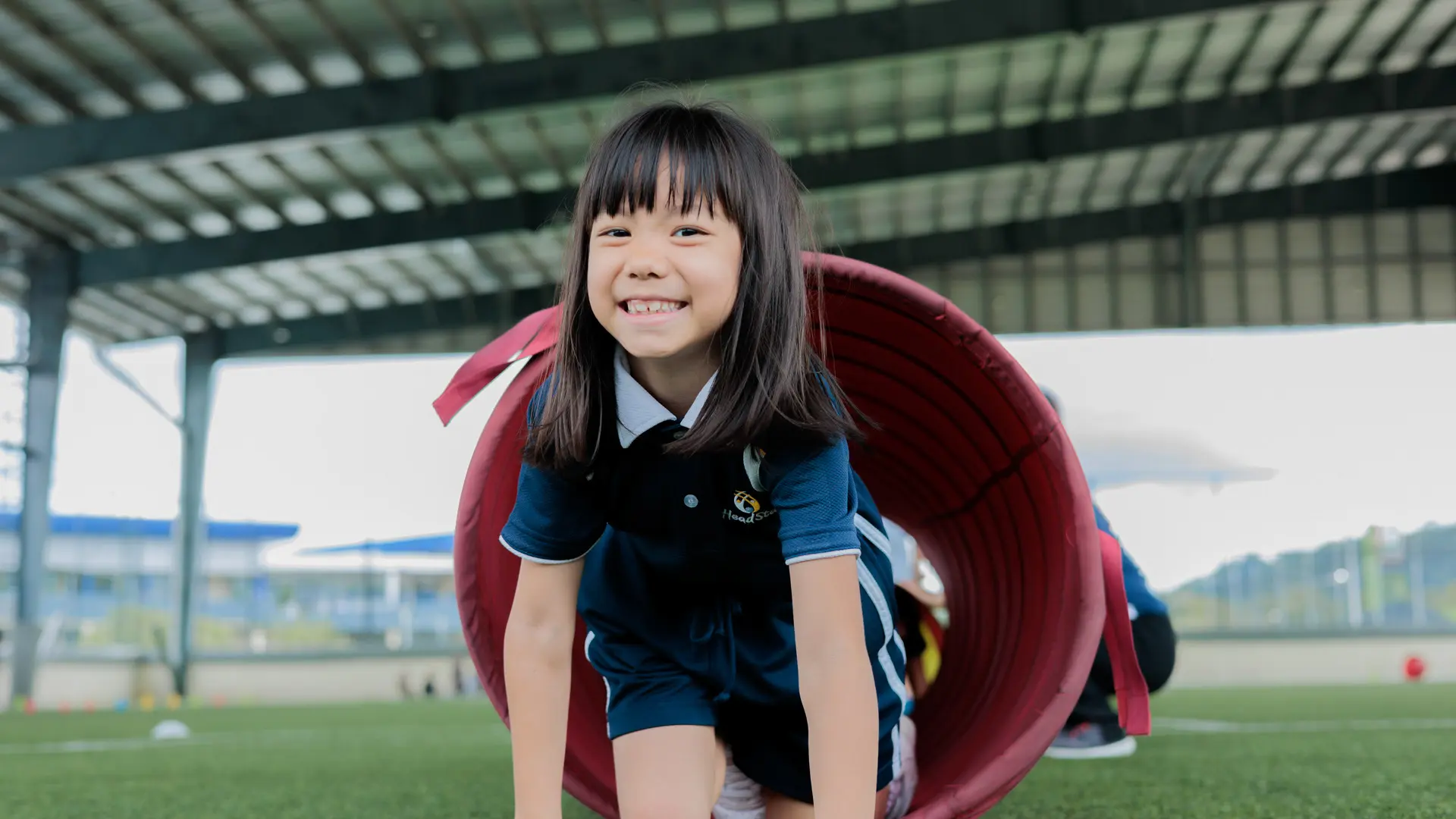
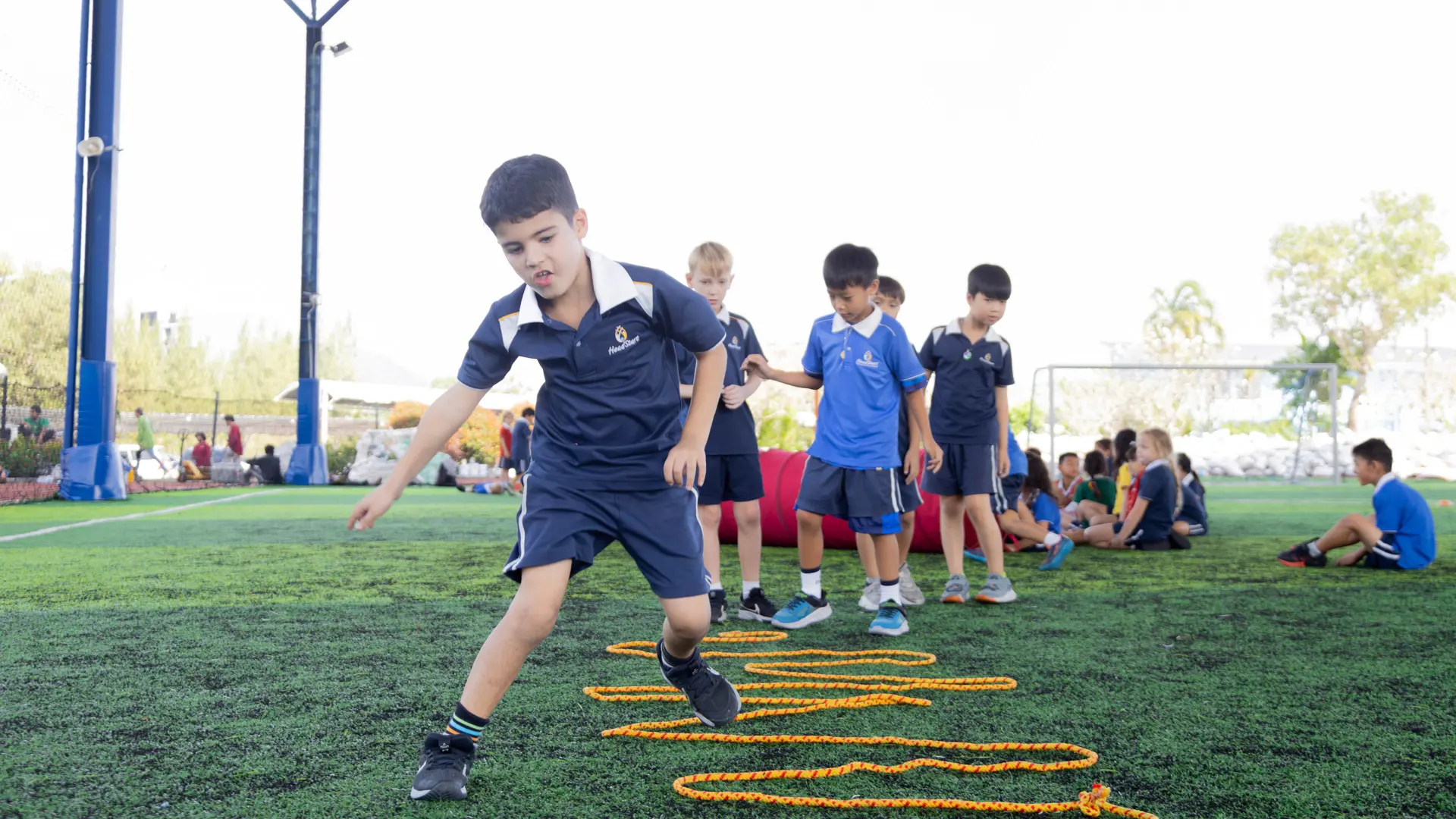
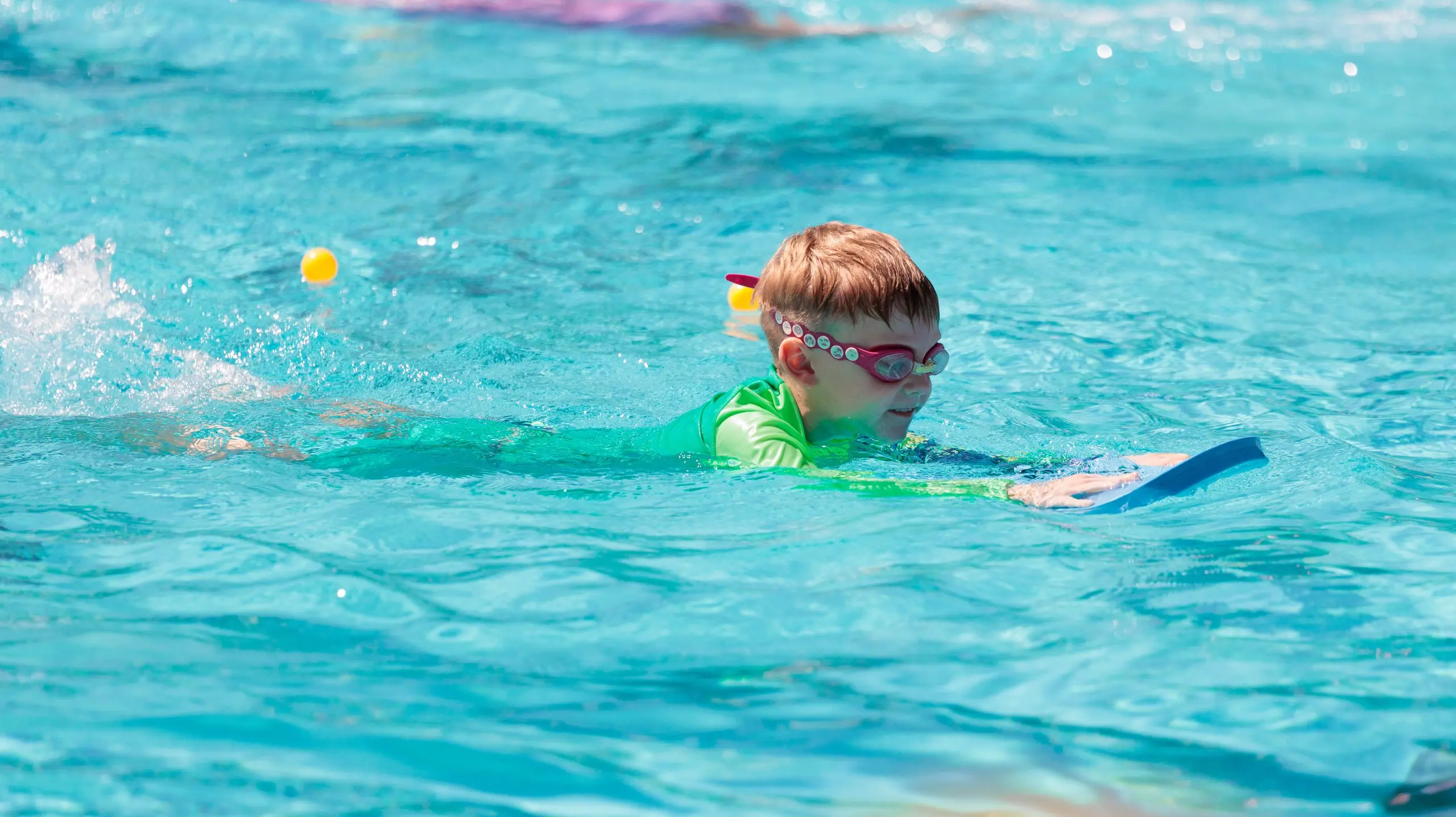
Early learning should be rich and varied. With our subject specialists, your child will dive into Swimming, Physical Education, Music, and Thai language, ensuring a dynamic, well-rounded start to their education.
Active Discovery Through Play
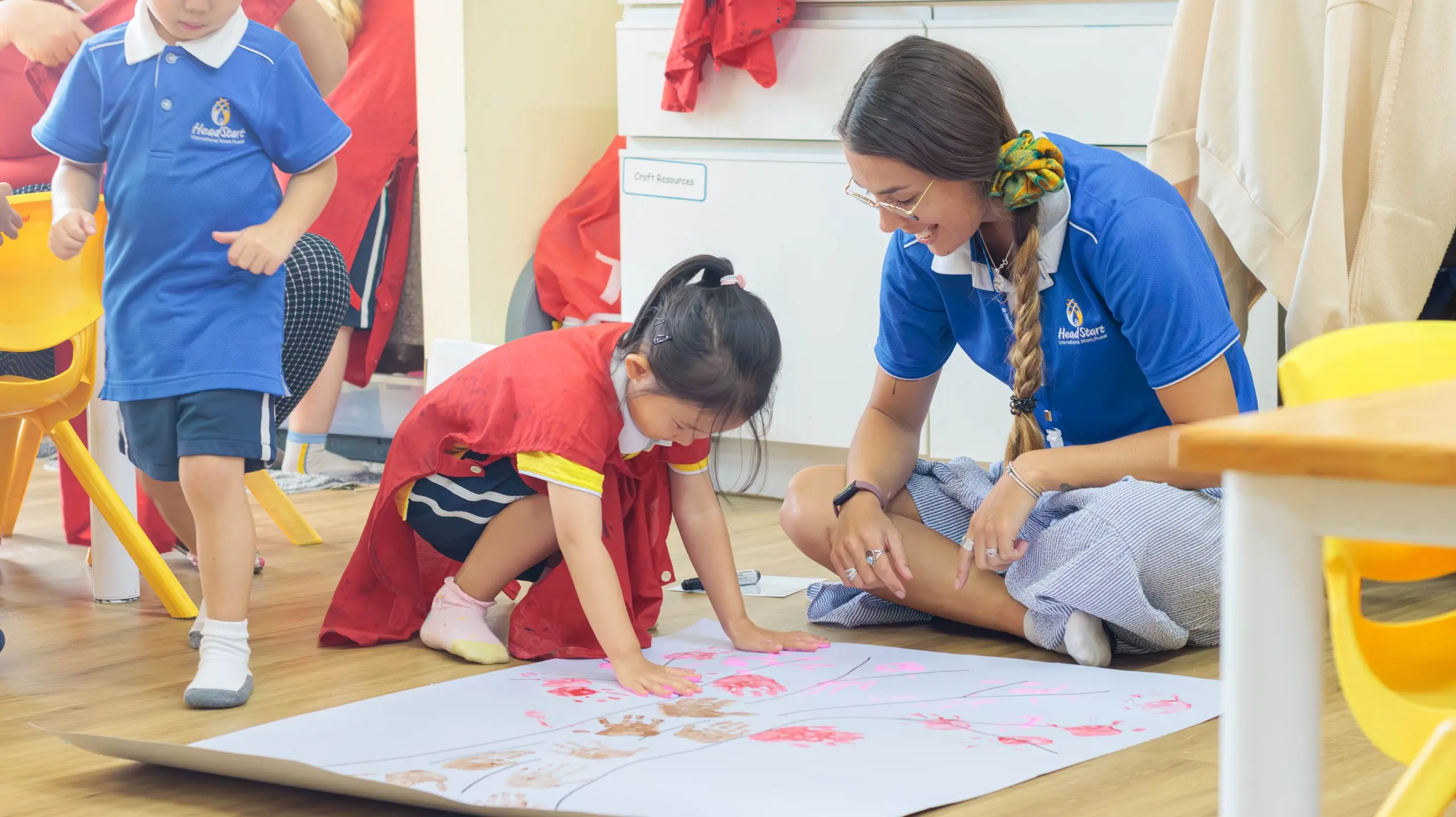
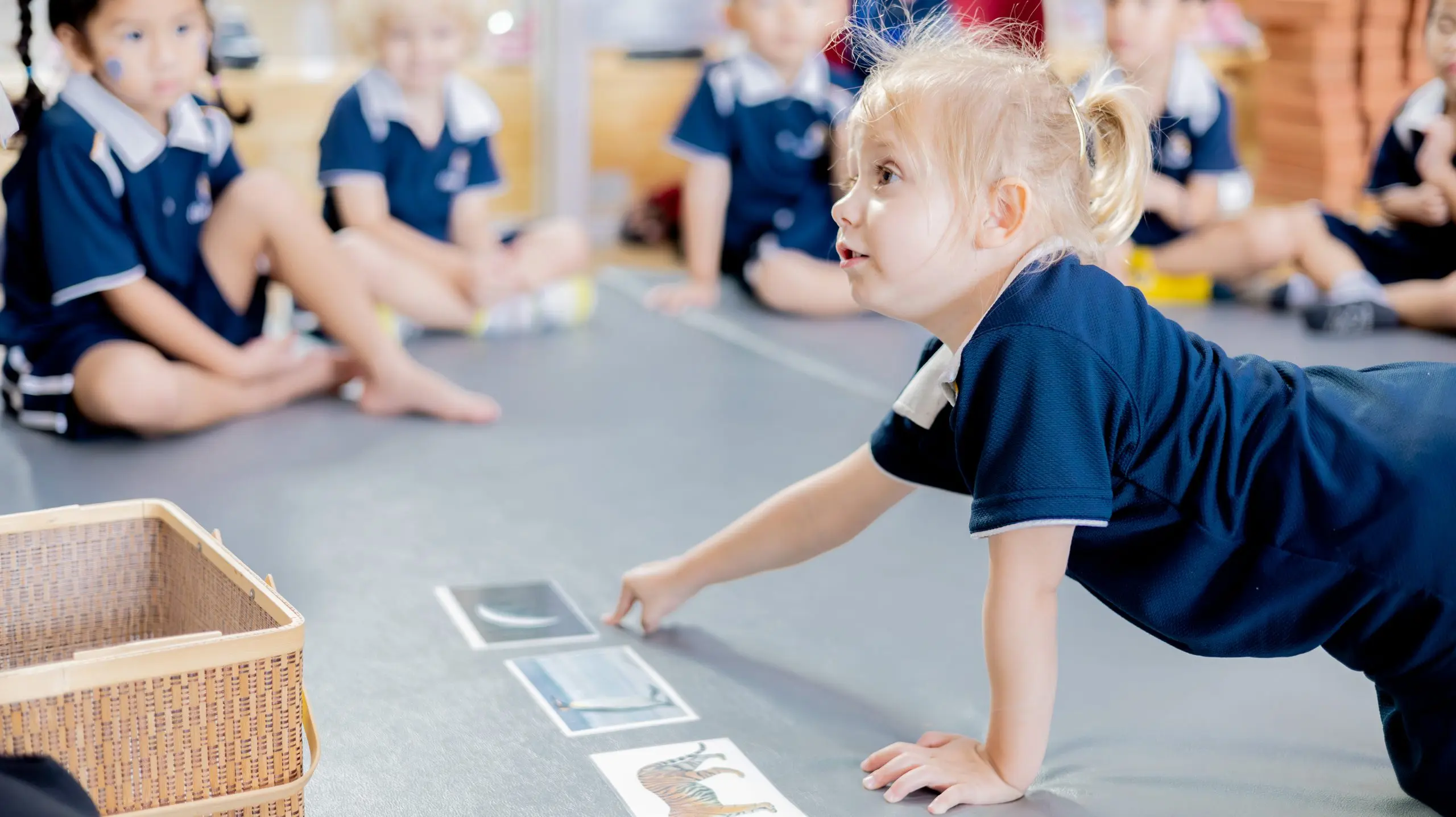
A warm, supportive full-day programme designed specifically for our youngest learners. Through guided play, music and movement, arts, storytelling, and outdoor adventures, children develop essential social skills, coordination, and early independence.
- Daily Experiences: Arts and crafts, imaginative play, sensory exploration, music, and outdoor games.
- Natural Language Acquisition: Everyday activities naturally weave in English vocabulary in a gentle, joyful environment.
- All-in-One Schedule: A complete, balanced day with no complex option selections required.
Safe, Healthy, and Supported
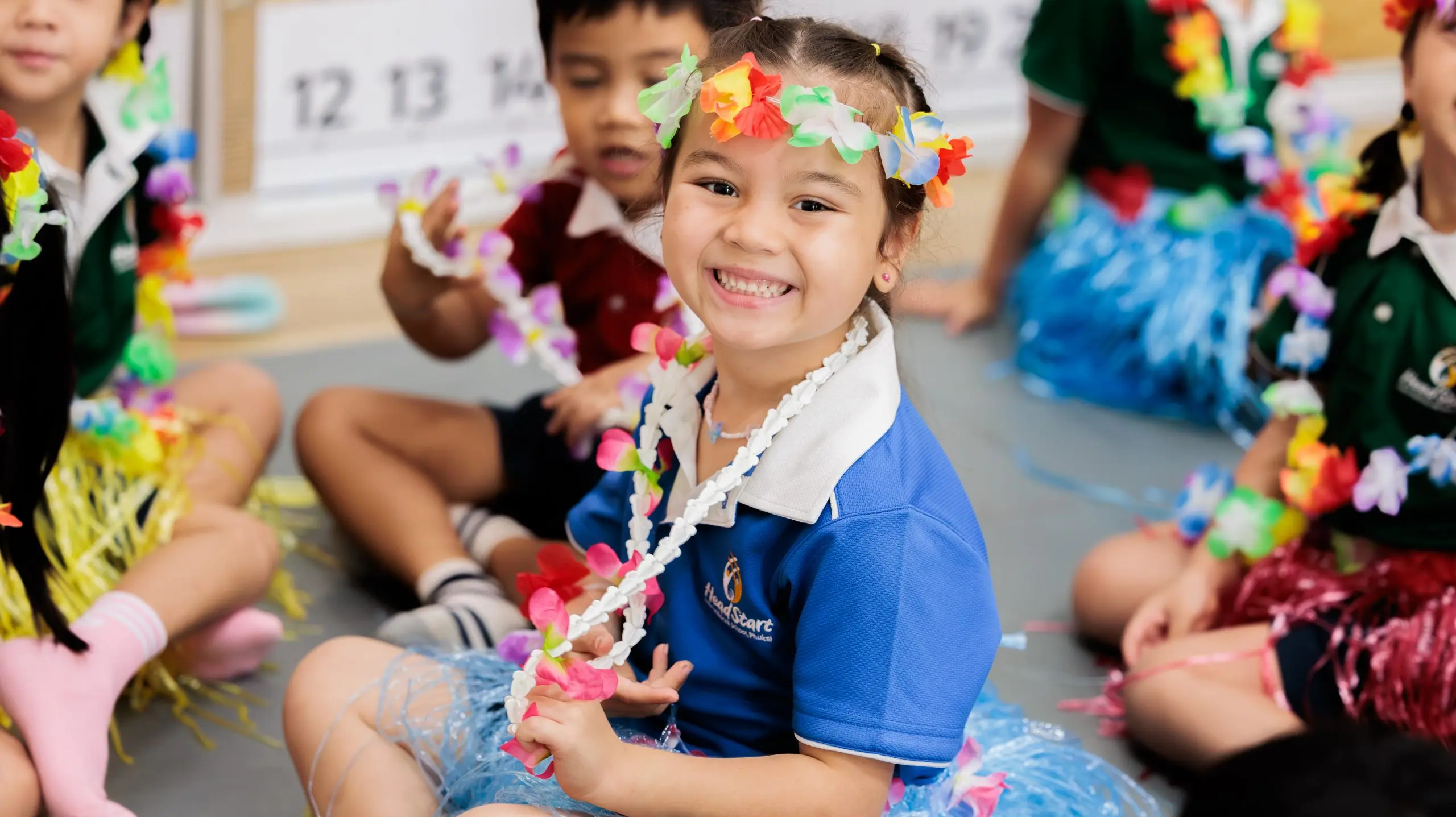
We prioritise physical wellbeing alongside education. Supported by our on-site nurses and dedicated teaching assistants and nannies, healthy meals, restful quiet times, and learning essential self-care are managed with exceptional attention to support your child’s daily routine.
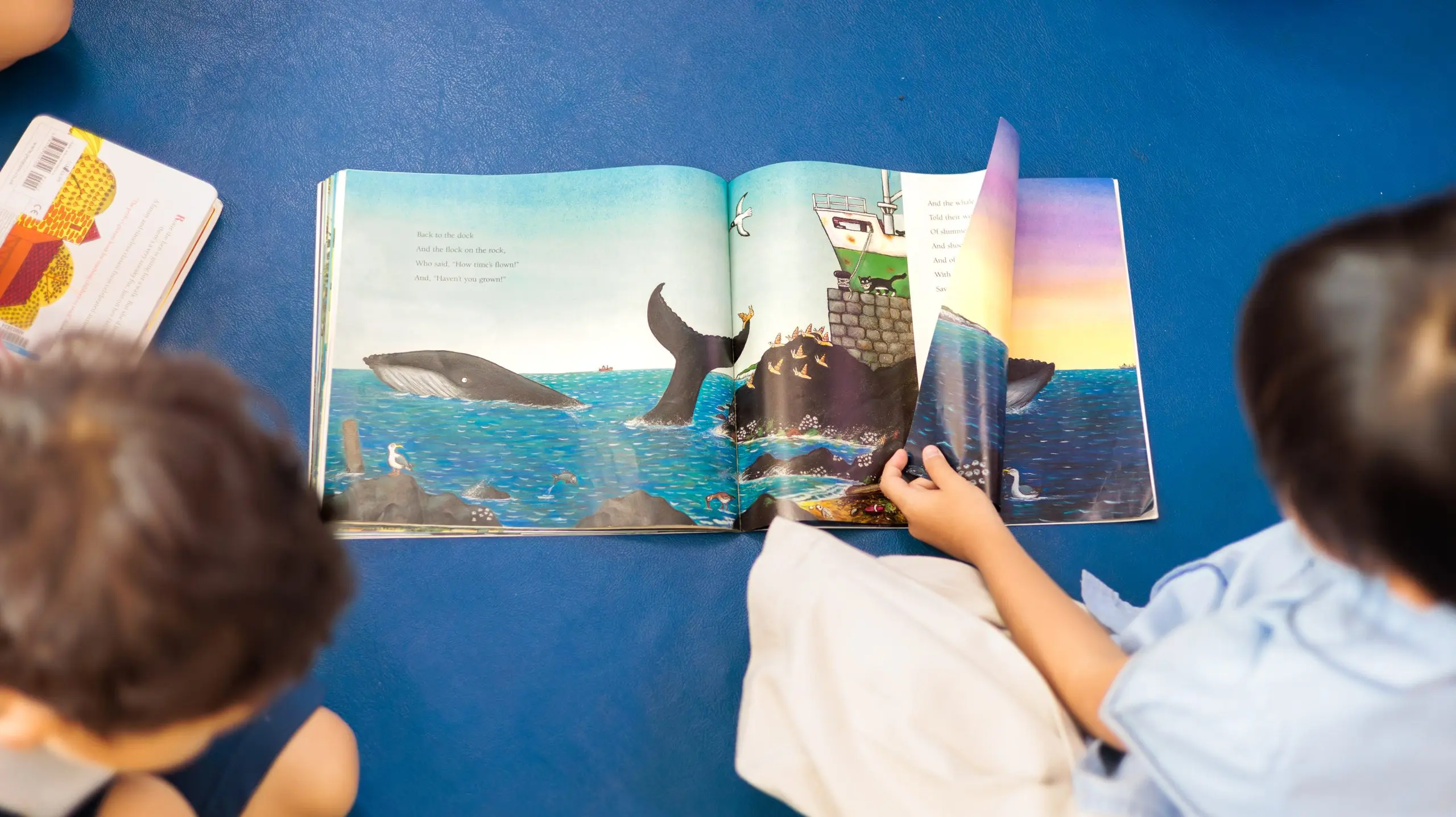
Early Literacy and Phonics
We introduce the foundations of reading and writing at a pace that suits early learners. This journey begins with sensory mark-making and progresses to structured phonics when they are ready.
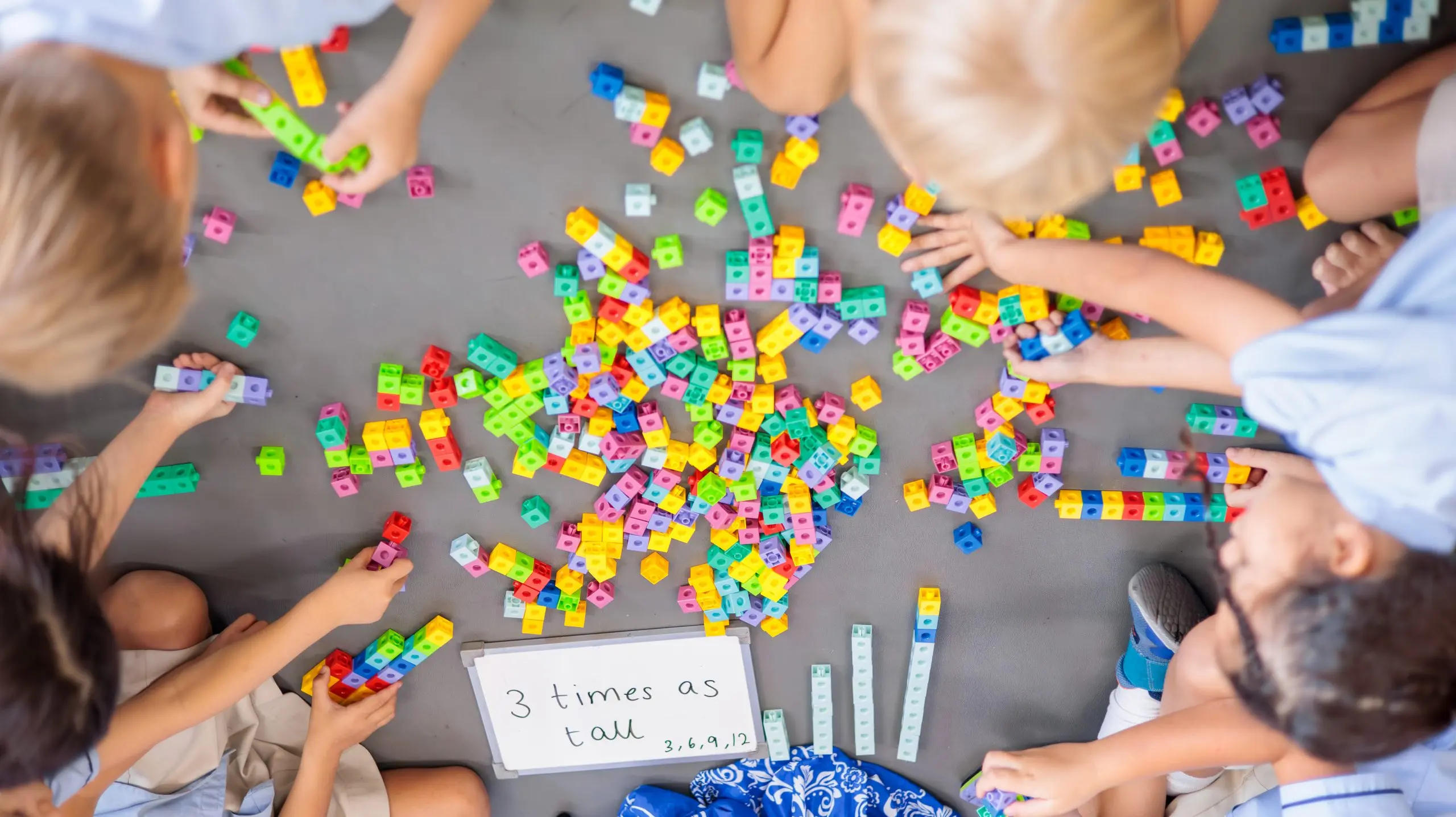
Hands-On Numeracy
Numeracy in Foundation goes far beyond simple counting. Children explore spatial awareness, weights, measures, and complex patterns through physical resources like sand, water, and building blocks.
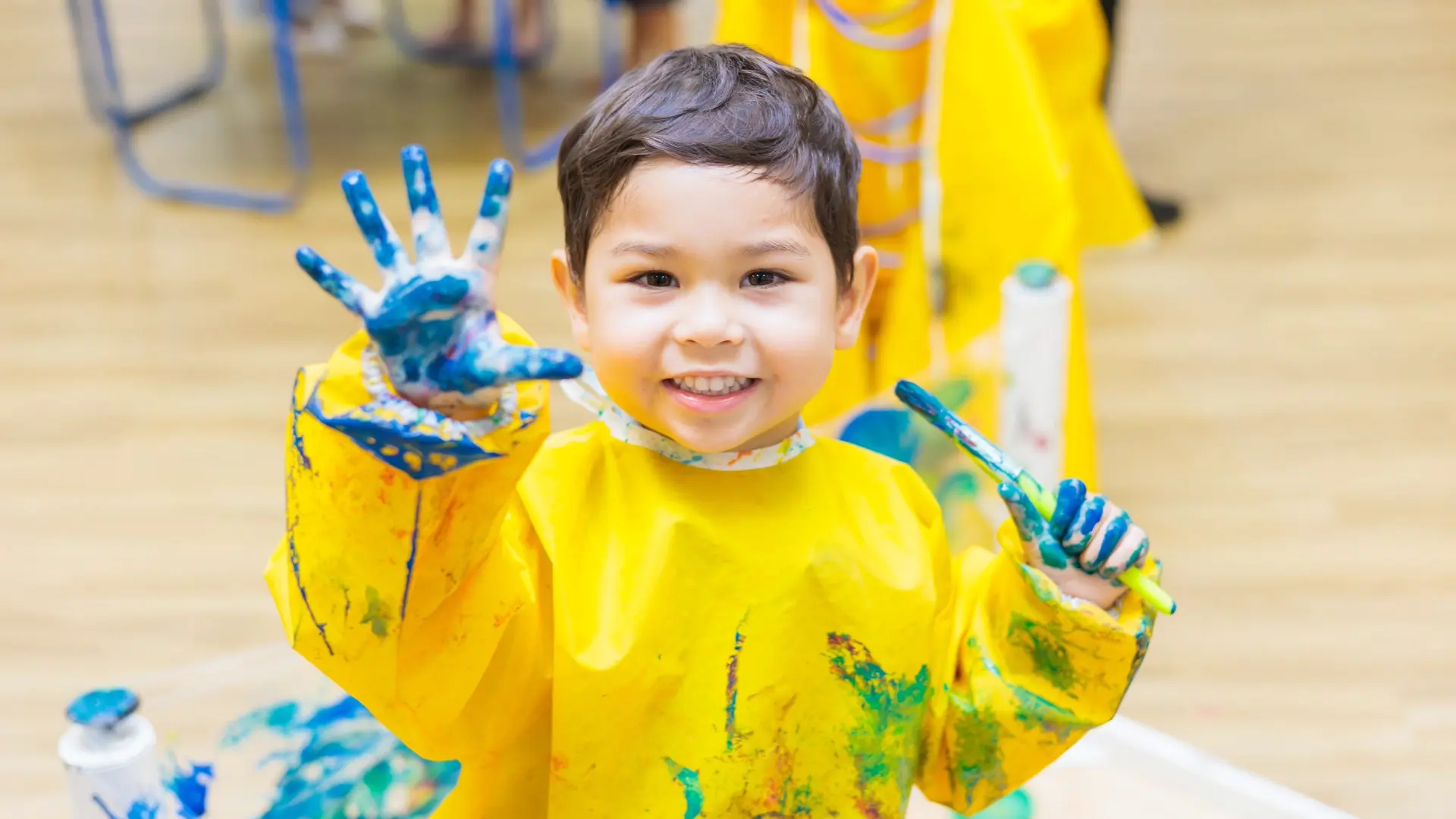
Inspiring Creativity
We provide daily opportunities for unstructured creativity. Through painting, music, and dramatic role-play, children develop their fine motor skills while exploring their imaginations.
Communication and Language
Speaking, understanding, listening and attention make up this area of development. At HeadStart we have a wealth of languages and cultural backgrounds. Children will be taught in English, thus supporting their English language skills. At HeadStart children will be developing and learning in a language rich environment with teachers modelling and teaching language through play. This area is also supported by the Department for Education UK Letters and Sounds programme. For many children English is not their first language, opportunity to speak in their mother tongue with their peers will not be discouraged. At HeadStart we believe that in order to develop an additional language, early years children must have a secure first language to attach it to.
| Listening, Attention and Understanding (Early Learning Goal) | Speaking (Early Learning Goal) |
|---|---|
| Listen attentively and respond to what they hear with relevant questions, comments and actions when being read to and during whole class discussions and small group interactions; | Participate in small group, class and one-to-one discussions, offering their own ideas, using recently introduced vocabulary; |
| Make comments about what they have heard and ask questions to clarify their understanding; | Offer explanations for why things might happen, making use of recently introduced vocabulary from stories, non-fiction, rhymes and poems when appropriate; |
| Hold conversation when engaged in back-and-forth exchanges with their teacher and peers. | Express their ideas and feelings about their experiences using full sentences, including use of past, present and future tenses and making use of Conjunctions, with modelling and support from their teacher. |
Personal, Social and Emotional Development
In order for children to become confident, social members of society and resilient learners they must be supported in their ability to make relationships, manage their feelings and behaviour and develop their self confidence and self-esteem. Children will learn together in an environment that supports them holistically. Your child's teachers will support all aspects of this area through play, discussion and by being good role models themselves. Children will learn to resolve conflicts, be assertive and have the confidence to follow their talents. As well as becoming resilient young people, your child will be supported in making positive relationships with their peers and adults within the school.
| Self Regulation (Early Learning Goal) | Managing Self (Early Learning Goal) | Building Relationships (Early Learning Goal) |
|---|---|---|
| Show an understanding of their own feelings and those of others, and begin to regulate their behaviour accordingly; | Be confident to try new activities and show independence, resilience and perseverance in the face of challenge; | Work and play cooperatively and take turns with others; |
| Set and work towards simple goals, being able to wait for what they want and control their immediate impulses when appropriate; | Explain the reasons for rules, know right from wrong and try to behave accordingly; | Form positive attachments to adults and friendships with peers; |
| Give focused attention to what the teacher says, responding appropriately even when engaged in activity, and show an ability to follow instructions involving several ideas or actions. | Manage their own basic hygiene and personal needs, including dressing, going to the toilet and understanding the importance of healthy food choices. | Show sensitivity to their own and to others' needs. |
Physical Development
Moving and handling covers both large and fine motor skills. Your child will receive Physical Education (PE) lessons delivered by dedicated PE teachers as well as swimming lessons during their time at HeadStart, supporting their ever developing large motor skills. We aim to inspire children to enjoy physical activity, something that is extremely important to life-long well-being. Fine motor skills include the ability to use tools, write, fasten zips and buttons. Whilst with their homeroom teacher your child will be subjected to various activities to promote these skills. Additionally to physical skill, your child will become aware of how to be safe and healthy. Children will discover the importance and health benefits of food, exercise and sleep as well as how to support themselves independently with dressing and taking care of their personal hygiene.
| Gross Motor Skills (Early Learning Goal) | Fine Motor Skills (Early Learning Goal) |
|---|---|
| Negotiate space and obstacles safely, with consideration for themselves and others; | Hold a pencil effectively in preparation for fluent writing - using the tripod grip in almost all cases; |
| Demonstrate strength, balance and coordination when playing; | Use a range of small tools, including scissors, paint brushes and cutlery; |
| Move energetically, such as running, jumping, dancing, hopping, skipping and climbing. | Begin to show accuracy and care when drawing. |
Literacy
Literacy activities will promote your child's ability to read and write. Phonics will be delivered through the Little Wandle Programme as well as activities planned by our creative and experienced teachers to support their writing and understanding of written information. Children will have access books, text in the environment and be provided with a writing area to practice their writing skills.
| Comprehension (Early Learning Goal) | Word Reading (Early Learning Goal) | Writing (Early Learning Goal) |
|---|---|---|
| Demonstrate understanding of what has been read to them by retelling stories and narratives using their own words and recently introduced vocabulary; | Say a sound for each letter in the alphabet and at least 10 digraphs; | Write recognisable letters, most of which are correctly formed; |
| Anticipate - where appropriate - key events in stories; | Read words consistent with their phonic knowledge by sound-blending; | Spell words by identifying sounds in them and representing the sounds with a letter or letters; |
| Use and understand recently introduced vocabulary during discussions about stories, non-fiction, rhymes and poems and during role-play. | Read aloud simple sentences and books that are consistent with their phonic knowledge, including some common exception words. | Write simple phrases and sentences that can be read by others. |
Mathematics
Divided in to two areas; Number and Numerical Patterns children will learn to count, think about and begin solving basic mathematical equations and develop an understanding of how shape, space and measurement is used throughout daily life and in the environment. Teachers will use a range of resources and well thought out activities as well as the Reception White Rose Maths scheme.
| Number (Early Learning Goal) | Numerical Patterns (Early Learning Goal) |
|---|---|
| Have a deep understanding of number to 10, including the composition of each number; | Verbally count beyond 20, recognising the pattern of the counting system; |
| Subitise (recognise quantities without counting) up to 5; | Compare quantities up to 10 in different contexts, recognising when one quantity is greater than, less than or the same as the other quantity; |
| Automatically recall (without reference to rhymes, counting or other aids) number bonds up to 5 (including subtraction facts) and some number bonds to 10, including double facts. | Explore and represent patterns within numbers up to 10, including evens and odds, double facts and how quantities can be distributed equally. |
Understanding the World
This area of development covers Past and Present, People, Culture and Communities, The Natural World. Children will be provided with activities to support their learning such as the opportunity to use Information and Communication Technology (ICT), get messy with experimental play and going out to explore their environment; discussing what they can see. Throughout the year topics such as 'people who help us' will provide children with knowledge about our wider community. Children are also encouraged to share experiences that they have with their families, for example 'stay and plays' and trips to the aquarium or the Elephant sanctuary.
| Past and Present (Early Learning Goal) | People, Culture and Communities (Early Learning Goal) | The Natural World (Early Learning Goal) |
|---|---|---|
| Talk about the lives of the people around them and their roles in society; | Describe their immediate environment using knowledge from observation, discussion, stories, non-fiction texts and maps; | Explore the natural world around them, making observations and drawing pictures of animals and plants; |
| Know some similarities and differences between things in the past and now, drawing on their experiences and what has been read in class; | Know some similarities and differences between different religious and cultural communities in this country, drawing on their experiences and what has been read in class; | Know some similarities and differences between the natural world around them and contrasting environments, drawing on their experiences and what has been read in class; |
| Understand the past through settings, characters and events encountered in books read in class and storytelling. | Explain some similarities and differences between life in this country and life in other countries, drawing on knowledge from stories, non-fiction texts and - when appropriate - maps. | Understand some important processes and changes in the natural world around them, including the seasons and changing states of matter. |
Expressive Arts and Design
Imaginative play is crucial to allow children to practice and act out what they have learnt and observed. Children will be encouraged through resources to design their own role play with their peers, thus supporting their ability to make relationships. Tiny Creative and Performing Arts (CAPA) sessions delivered by dedicated teachers will give children access to expressive arts and design classes throughout the week. Children will be given opportunities to explore colour, make their own creations, follow instructions, sing and play instruments in order to express themselves and develop talent.
| Creating Materials (Early Learning Goal) | Being Imaginative and Expressive (Early Learning Goal) |
|---|---|
| Safely use and explore a variety of materials, tools and techniques, experimenting with colour, design, texture, form and function; | Invent, adapt and recount narratives and stories with peers and their teacher; |
| Share their creations, explaining the process they have used; | Sing a range of well-known nursery rhymes and songs; |
| Make use of props and materials when role playing characters in narratives and stories. | Perform songs, rhymes, poems and stories with others, and - when appropriate - try to move in time with music. |
Phonics
At HeadStart we believe that for all our children to become fluent readers and writers, phonics must be taught through a systematic and structured phonics programme. We use the Little Wandle Letters and Sounds Revised to plan and provide daily engaging phonics lessons. In phonics, we teach children that the letters of the alphabet represent a different sound, that these can be used in a variety of combinations and are put together to make words. The children learn to recognise all of the different sounds and combinations that they might see when they are reading or writing.
Our phonics teaching starts in Early Years and follows a very specific sequence that allows our children to build on their previous phonic knowledge and master specific phonic strategies as they move through school. As a result, all our children are able to tackle any unfamiliar words that they might discover. At HeadStart we also model these strategies in shared reading and writing both inside and outside of the phonics lesson and across the curriculum. We have a strong focus on the development of language skills for our children because we know that speaking and listening are crucial skills for reading and writing in all subjects.
Continuous Provision
You will have noticed on your child's timetable that there are many periods that say 'continuous provision'. This document aims to support a better understanding of what it is and why it is important.
[Placeholder: Image of Early Years continuous provision environment]
Why is continuous provision important?
Effective continuous provision should provide children with the opportunity to demonstrate the characteristics of effective teaching and learning identified by the Early Years Foundation Stage (EYFS). For example, in the construction area, children may independently investigate how high they can build a tower by using wooden blocks. Trying to arrange the blocks in different ways, or testing if they can add any other construction materials to their tower to make it sturdier demonstrates aspects of both playing and exploring. Continuous provision also enables children to return to their explorations and consolidate their learning over the course of a day or a more extended period. When children do this, they can explore what happens to things as they change over time and make changes to explore new ideas. Continuous provision also allows children to make choices and initiate play without interaction with an adult.
What does effective continuous provision look like?
All seven areas of Learning and Development can be developed through continuous provision.
- Dedicated areas of the room will have a specific area of learning in mind, such as Literacy, Maths, and Understanding the World.
- Each area has the necessary resources to encourage children to play and explore in a variety of ways.
- A range of resources are offered that will act as a good starting point for the children's explorations.
- Open-ended questioning is used to engage the children in conversations and prompt their creative thinking.
What do the teachers do?
The teacher's role is crucial. Combined with a high-quality environment, teachers support your children's ability to interact with the resources. When children engage with continuous provision, teachers take the opportunity to have quality interactions with the children and make observations, which are key to assessment and planning of next steps for children.
Creating a continuous provision environment also means that teachers establish clear rules, boundaries and behavioural expectations. Once children are clear about the rules and what's expected, they will then be able to carry out their explorations with independence and confidence. If children do not know their boundaries, then they will often return to 'familiar' play, which is less challenging. In these instances, teachers, deputy teachers and nannies will help to encourage children to extend their play.
Continuous provision supports language development. Through modelling and quality interactions teachers are able to provide language rich environments. Through this, strong relationships are made with the children. This communication gives children the opportunity to ask questions and make suggestions, extending the children's learning even further.
Observation, Assessment and Reporting
Learning and Development progress will be documented through regular observations, evidence such as photographs or copies of children's work. Observation and evidence will be linked to the Early Years Foundation Stage (EYFS) development matters; part of the EYFS that sets out the milestones children should achieve by certain ages. At HeadStart we understand that some children may be meeting these stages in their home language, however the assessment is carried out in English. Throughout the year, children will have 2 reports and 3 parent teacher conferences.
Tapestry
HeadStart are now using Tapestry as our online learning journal provider. Tapestry allows you to login with a secure username and password so you can view all your children's observations, photographs and videos. It's also possible for you to be notified via email either immediately, daily or weekly if there are new entries for you to view. All data that is entered to Tapestry is stored securely on their servers. If you are interested in finding out more information about this, you can go to https://tapestry.info/security.
WellComm
At HeadStart we use WellComm to support the Speech and Language development of our children. This toolkit supports the Screening and Intervention in the Early Years: Revised Edition and plays a crucial role in identifying children with potential language difficulties. WellComm offers a range of customised intervention activities to help support their language development.
School Documents & Policies
Please find below important documents available for download.
Exceptional Early Years Facilities. Two modern campuses, one exceptional standard.
While our locations offer distinct surroundings, our commitment to world-class Early Years infrastructure remains identical. Both campuses feature purpose-built Foundation facilities designed to inspire young minds. From dedicated indoor learning centres and tailored outdoor environments to specialized classrooms, your child benefits from exceptional physical spaces built entirely around their developmental needs.
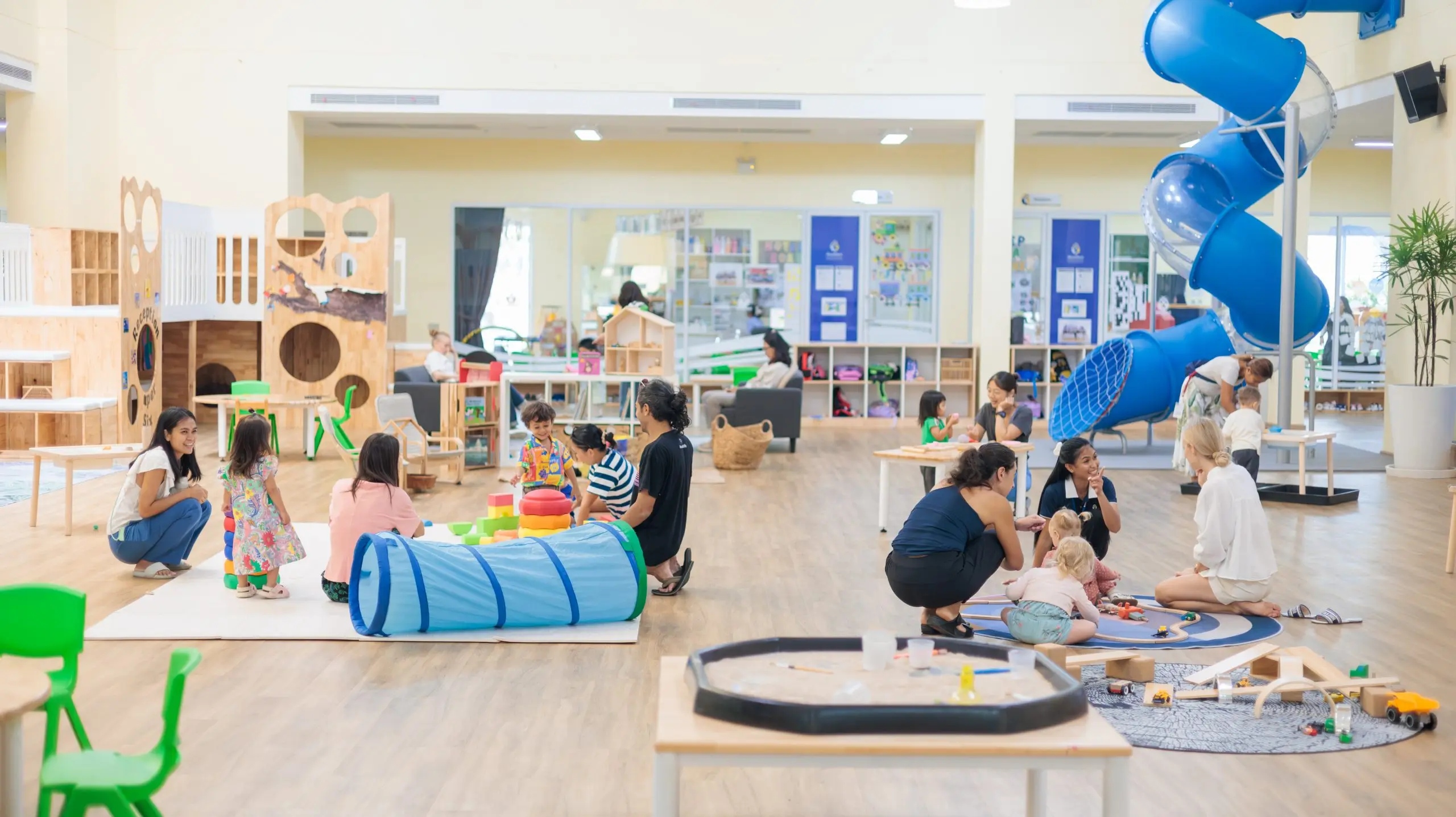
Cherngtalay Campus
Nestled in the vibrant Laguna district, our Cherngtalay campus brings our proven Early Years blueprint to the north of Phuket. This modern facility mirrors our exacting standards, offering state-of-the-art, airy classrooms that connect directly to secure outdoor learning areas, a vibrant indoor learning centre, and a purpose-built playground set against a serene mountainside landscape.
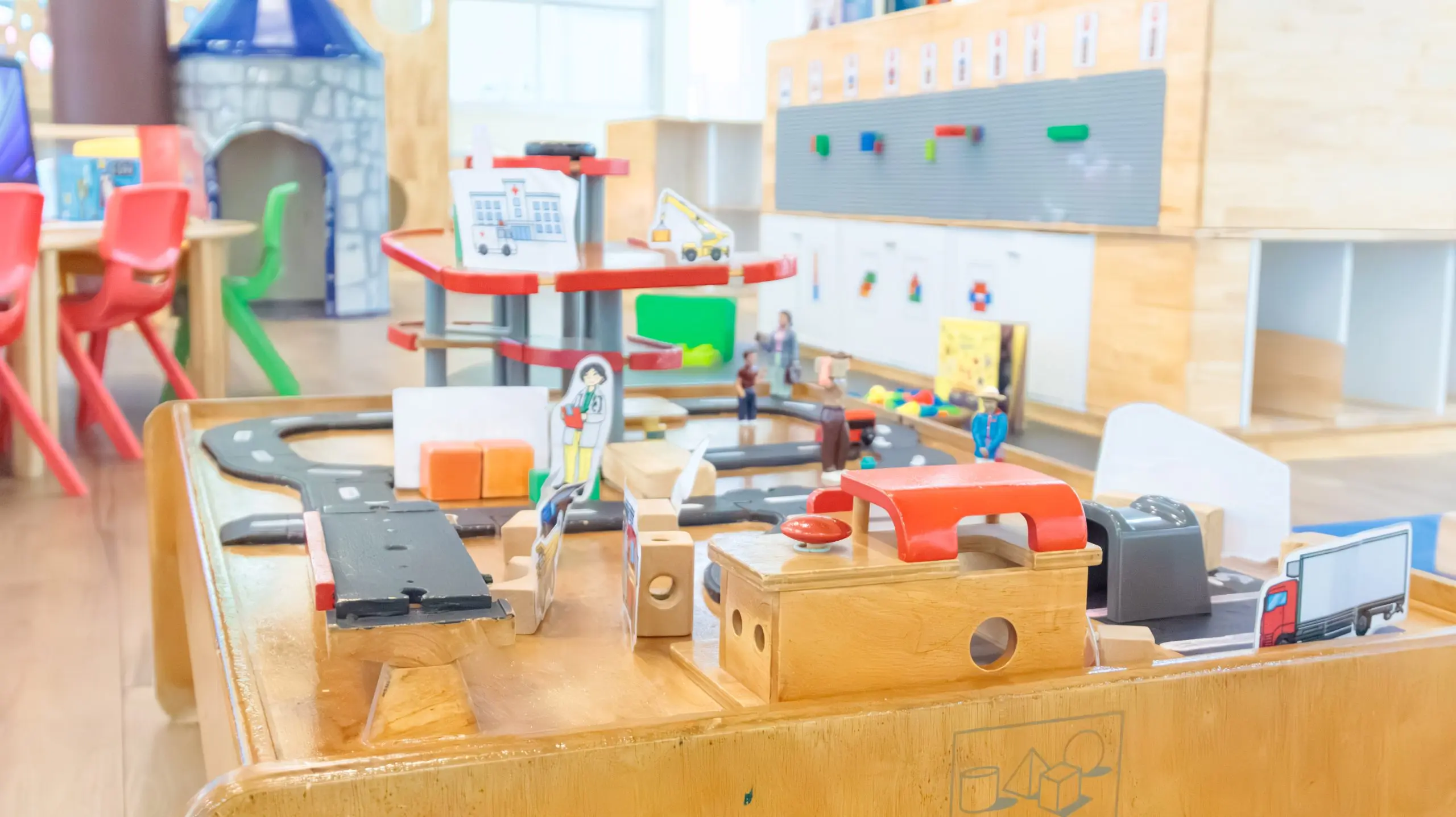
Chaofah City Campus
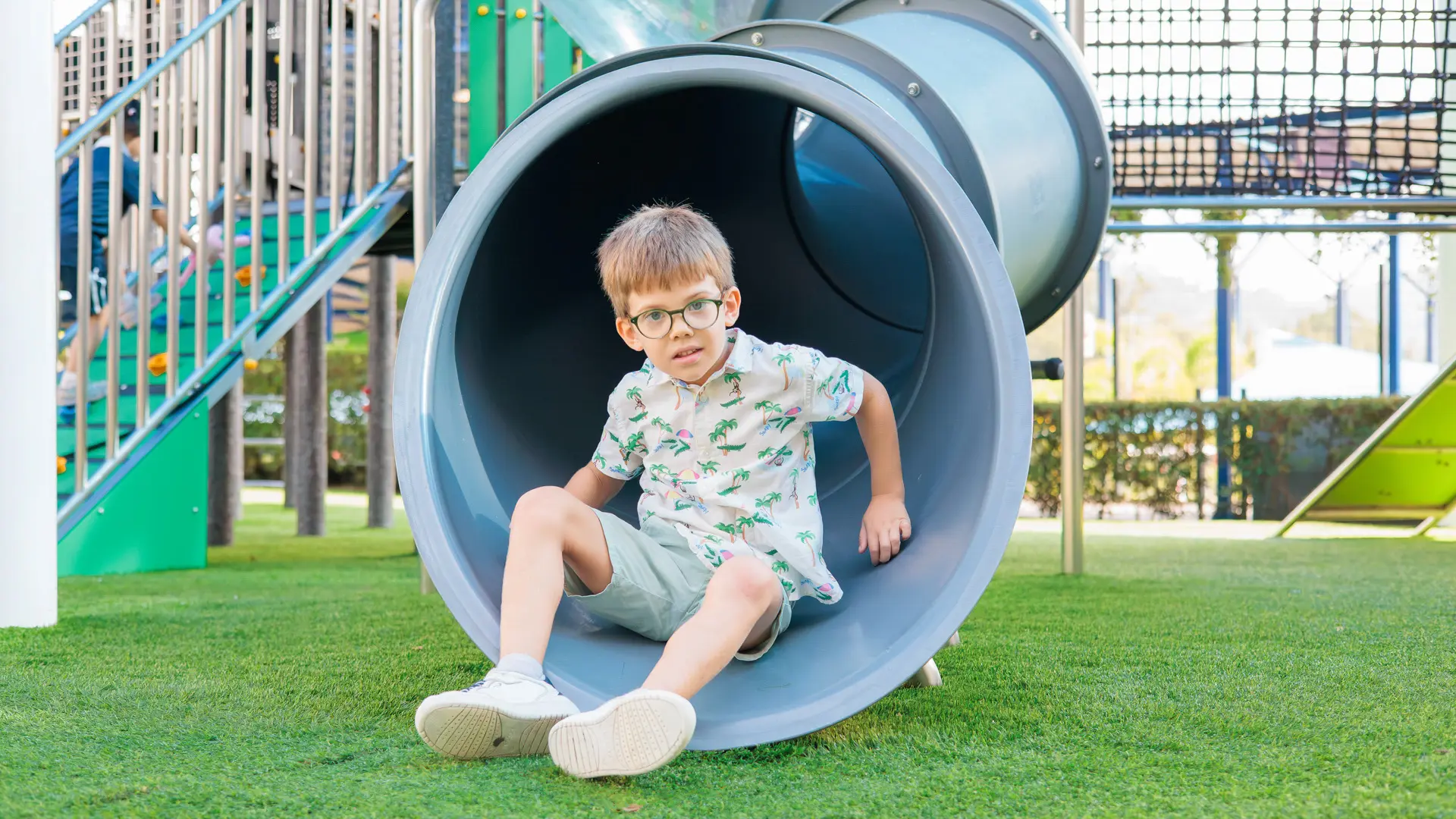
Situated in the bustling heart of the island, our established Chaofah City campus anchors our legacy of Early Years excellence. Children here enjoy seamless free-flow classrooms that connect directly to a fully equipped indoor play centre, a purpose-built playground with a bespoke mini bicycle track and a dedicated lunch and snack room.